Picture this: you pick up your phone to check one notification, and suddenly an hour has vanished into the scroll-void. Sound familiar? You're not alone. In a world where our devices have become extensions of our hands, understanding digital wellbeing isn't just trendy advice, it's survival mode for your sanity.
What Exactly Defines Digital Wellbeing in Modern Life?
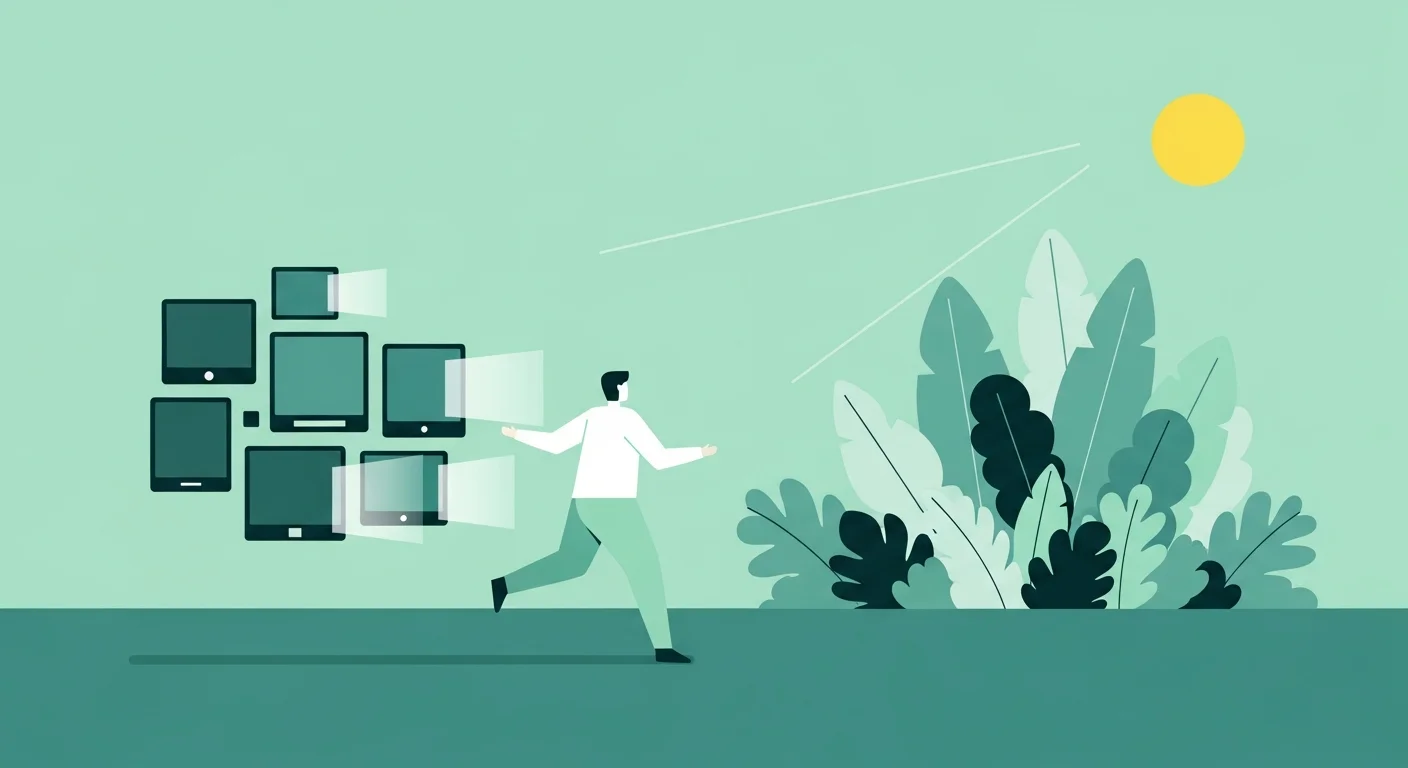
Digital wellbeing is basically your relationship status with technology, except instead of "it's complicated," we're aiming for "healthy and balanced." It's about how you interact with screens, apps, and the endless digital noise that follows us everywhere. Think of it as creating boundaries with your devices so they enhance your life instead of hijacking it. This isn't about ditching your phone in a drawer and going full hermit mode. It's about intentional use, knowing when to engage and when to unplug. Digital wellness means you control the tech, not the other way around.
The definition extends beyond just limiting screen time balance. It encompasses your emotional response to notifications, how social media affects your mood, whether you can sit through dinner without checking Instagram, and if you actually sleep with your phone under your pillow (guilty as charged, maybe?). Modern digital wellbeing recognizes that healthy device use involves creating space for real-world connections, genuine rest, and activities that don't require WiFi.
Why Should You Prioritize Healthy Tech Habits for Overall Health?
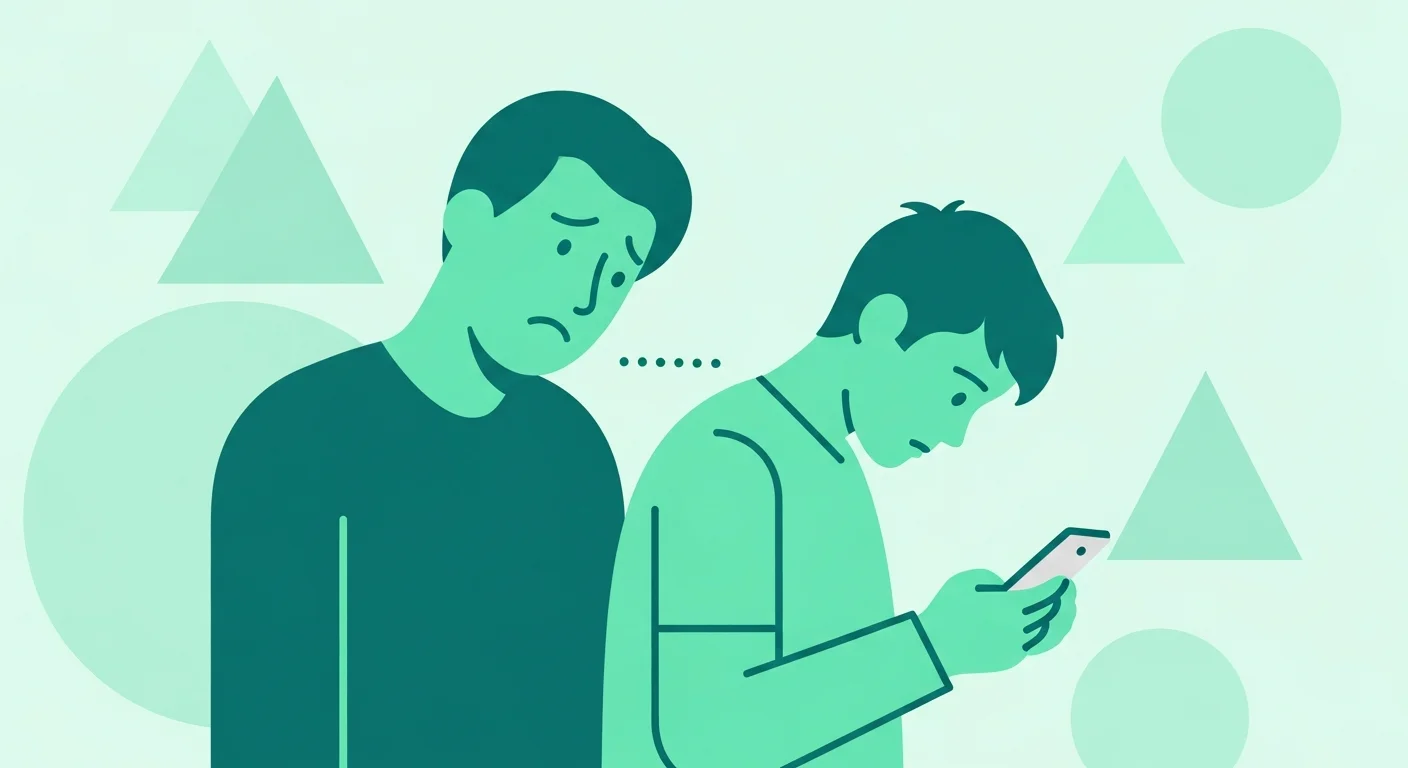
Here's the thing: your tech habits are quietly shaping your mental and physical health in ways you might not notice until they pile up. Constant screen exposure messes with your sleep patterns because that blue light tells your brain it's noon when it's actually midnight. Your posture suffers from hunching over devices, leading to what doctors playfully call "tech neck." And let's talk about the mental load. The endless ping of notifications creates a low-level anxiety that lingers even when you're technically offline.
I've noticed how my own productivity tanks when I'm constantly switching between apps and tabs. Our brains weren't designed for this level of digital multitasking, and science backs this up. Studies show that heavy screen dependency stress correlates with increased rates of anxiety, depression, and feeling perpetually overwhelmed. But here's the good news: prioritizing digital wellbeing can reverse these trends. When you establish tech habit health routines, you reclaim mental clarity, improve focus, and actually feel present in your own life again.
How Does Digital Wellbeing Combat Screen Overuse Problems?
Digital wellbeing features on smartphones aren't just fancy add-ons, they're your personal tech therapists. These tools track how much time you're spending on each app, set limits, and even remind you when you've been scrolling for too long. Think of them as training wheels for building better habits. The importance of digital wellbeing against Phone Overuse becomes crystal clear when you see that you've spent three hours on TikTok without realizing it.
But combating screen overuse goes deeper than app timers. It's about recognizing triggers. Do you reach for your phone when you're bored, anxious, or avoiding something? Understanding these patterns helps you develop healthier coping mechanisms. Maybe it's a five-minute walk instead of a scroll session, or calling a friend instead of liking their post. Digital detox importance can't be overstated either. Regular breaks, whether it's phone-free Sundays or device-free dinners, reset your relationship with technology and remind you what life feels like without constant connectivity.
What Benefits Arise from Balancing Online and Offline Experiences?
When you achieve digital life balance, the benefits ripple through every aspect of your existence. Your relationships deepen because you're actually present during conversations instead of half-listening while mentally composing tweets. Your creativity flourishes when your mind has space to wander without algorithmic interference. Sleep improves dramatically, which means better mood, sharper thinking, and more energy.
Online wellbeing paired with rich offline experiences creates a life that feels full rather than frantic. You start noticing things again: the texture of a good book, the taste of coffee, the way sunlight hits your window at 3 PM. These aren't small things; they're the moments that make up a life worth living. Plus, when you're not constantly documenting everything for social media, you can actually experience it. Revolutionary concept, right?
Why Is Fostering Digital Wellbeing Essential Amid Rising Device Reliance?
Our dependence on devices isn't going anywhere. Remote work, digital education, staying connected with loved ones, even managing our health now happens through screens. This makes digital wellbeing more crucial, not less. Without conscious boundaries, our devices consume every waking moment, blurring the lines between work and rest, public and private, connection and isolation.
The guide to digital wellbeing and its impact on productivity reveals something interesting: people who manage their screen time effectively actually get more done. They're not stuck in the productivity theater of answering emails at midnight or constantly checking Slack. They work smarter because their minds are clearer. Fostering healthy digital habits now sets you up for long-term success in a world that's only becoming more connected.
Time to Reclaim Your Digital Life
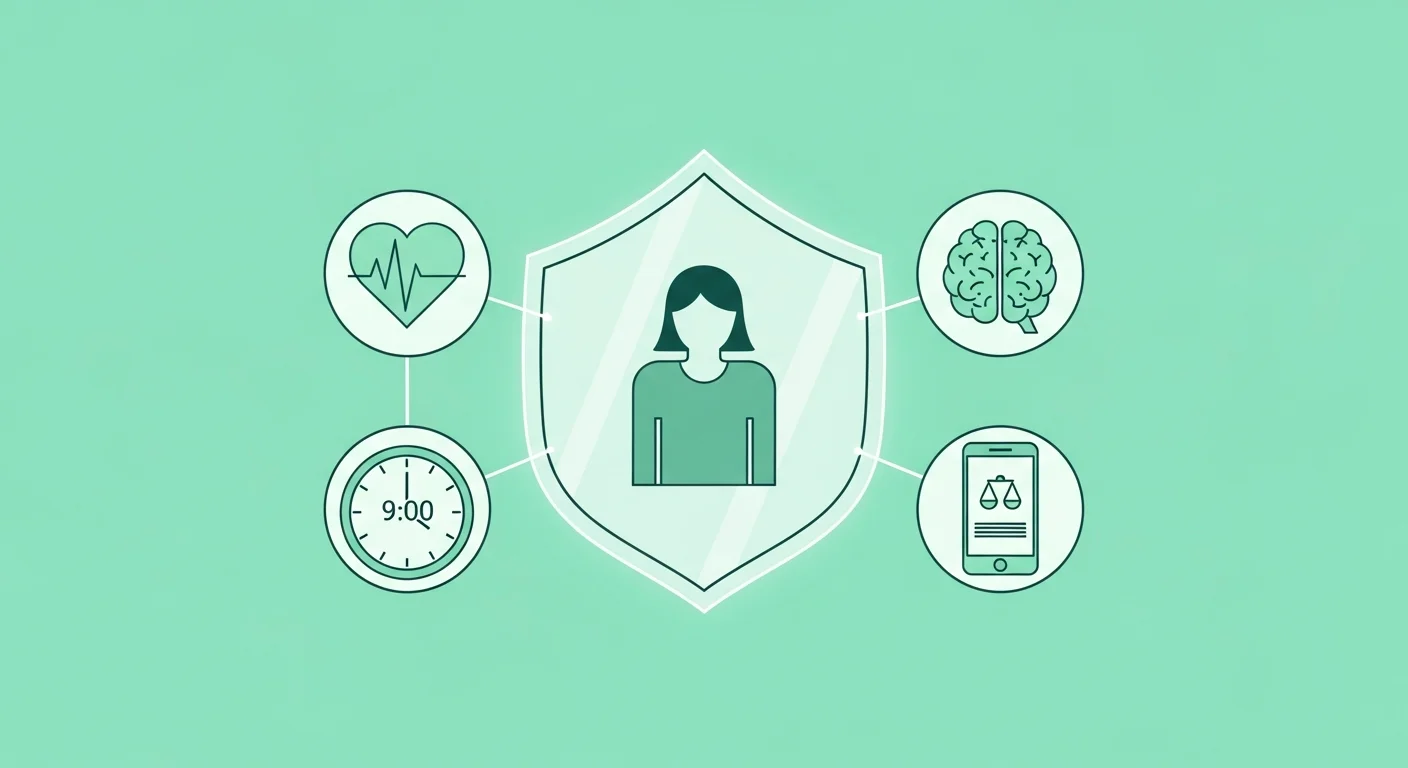
Digital wellbeing isn't about perfection or completely abandoning technology. It's about creating a sustainable relationship with your devices that supports rather than undermines your health, happiness, and humanity. Start small: turn off non-essential notifications, designate phone-free zones in your home, or commit to one screen-free hour daily. Your future self, the one who sleeps better and actually remembers what happened today, will thank you.
Ready to take control? Your digital wellness journey starts with one conscious choice at a time.