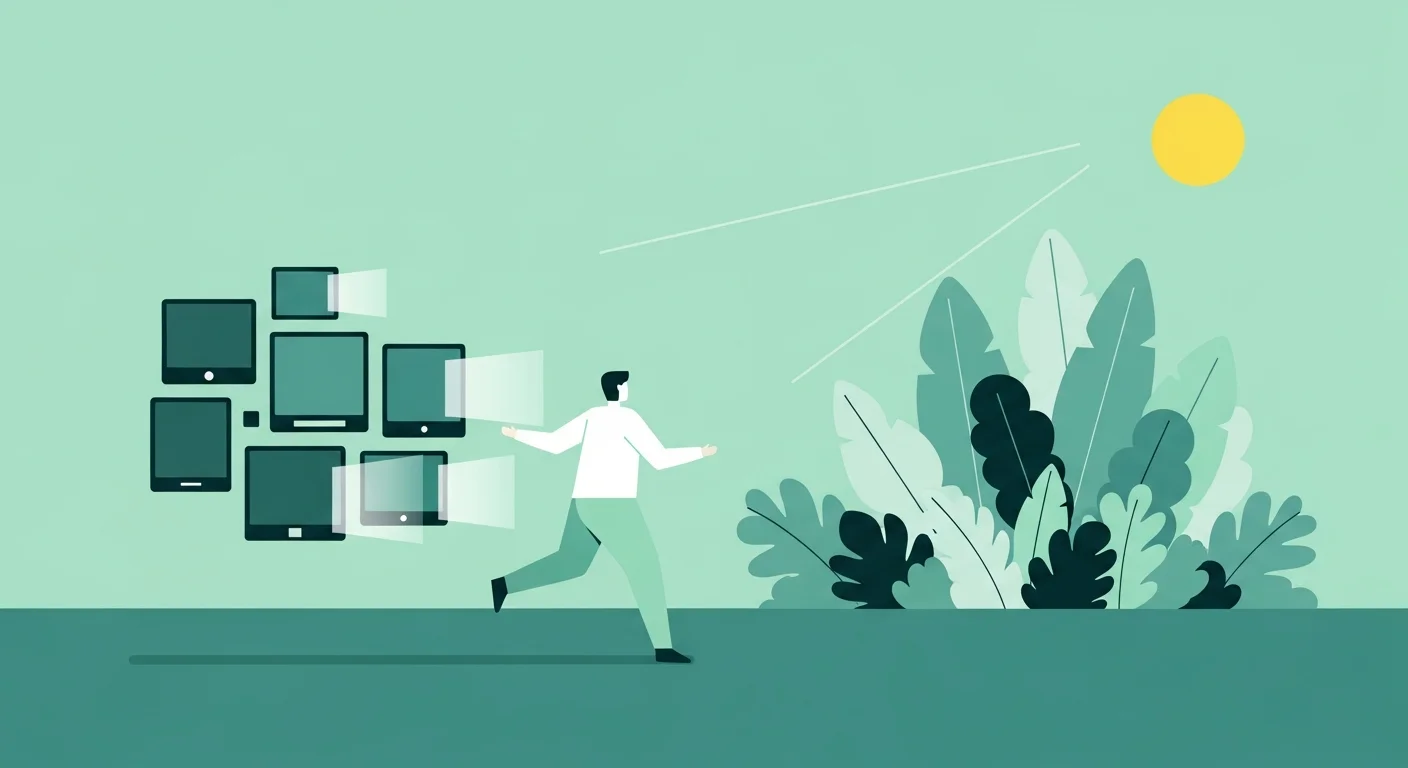
You know that feeling when you reach for your phone first thing in the morning? Before your feet hit the floor, before you even remember what day it is, your hand is already scrolling. I'm guilty of it too. We all are, really. But here's the thing nobody talks about at dinner parties: our phones are quietly messing with us in ways we don't see coming. I'm not talking about the obvious stuff like missing out on real conversations or walking into lampposts while texting. I'm talking about the sneaky, under-the-radar health issues that creep up when smartphone overuse becomes our default mode.
The Physical Toll: Your Body Keeps Score
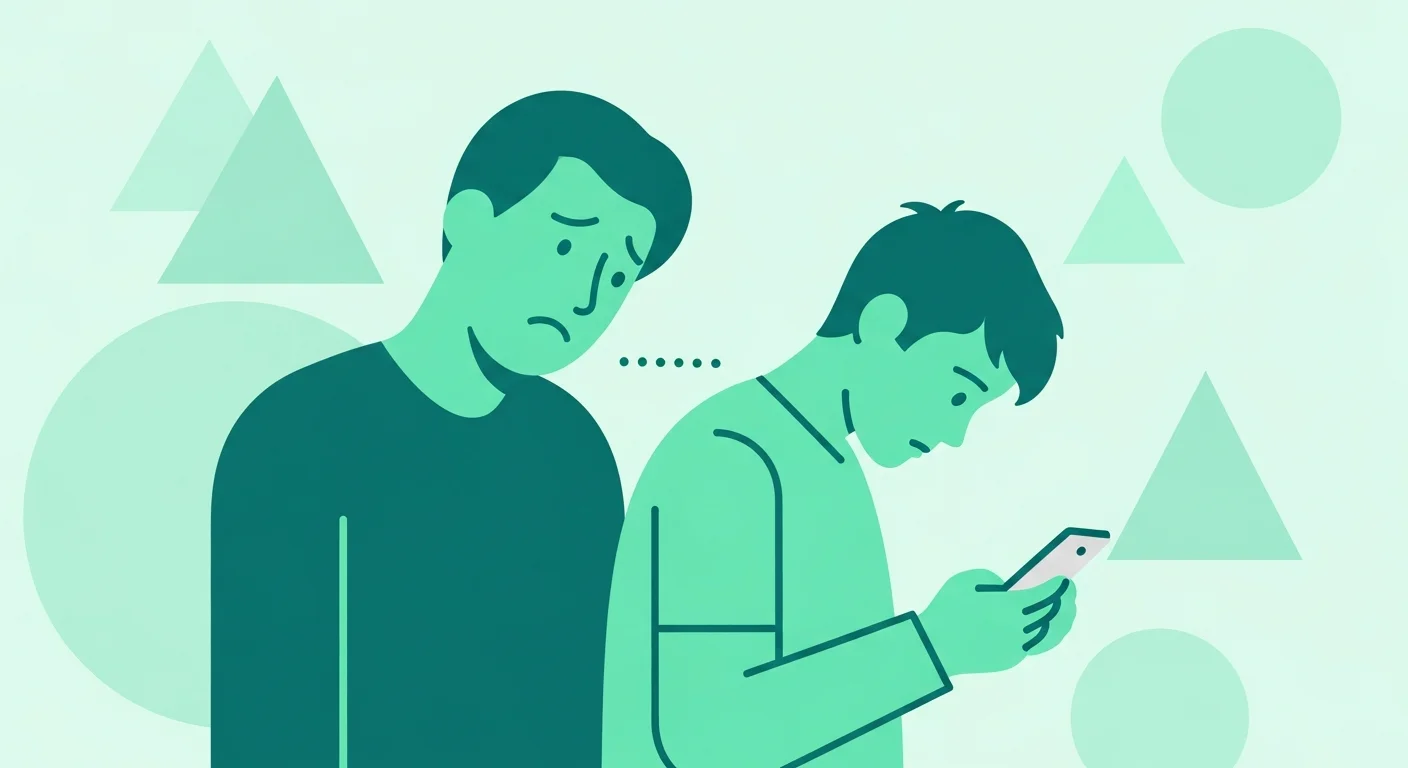
Your smartphone might fit in your pocket, but its impact on your body? That's a whole different story. Text neck is real, and it sounds exactly as unglamorous as it is. When you're hunched over your screen for hours, you're putting about 60 pounds of pressure on your spine. That's like carrying an 8-year-old kid on your shoulders all day. No wonder your neck screams at you by evening. Neck pain from smartphone posture has become so common that physiotherapists now have a name for it: "tech neck syndrome." Your spine wasn't designed for this constant forward tilt, and over time, this can lead to chronic pain, nerve issues, and even changes in the natural curve of your spine. But wait, there's more. Excessive screen time wreaks havoc on your hands too. Ever heard of "smartphone thumb"? It's tendinitis caused by repetitive scrolling and typing. Your thumbs are basically doing Olympic-level workouts without any training.
Blue light eye strain from phones is one of the most immediate effects of Screen Dependency. You know that gritty, tired feeling in your eyes after a Netflix binge? That's digital eye strain, and it's not just uncomfortable. It's your eyes literally begging for a break. Here's what happens: when you stare at a screen, you blink less. Like, significantly less. Normally, you blink about 15-20 times per minute. But when you're absorbed in your phone? That drops to about 5-7 times. Your eyes dry out, get irritated, and start protesting. Blue light from your screen also plays a villain role here. While the jury's still out on whether it causes permanent damage, we know it contributes to eye fatigue and can mess with your internal clock. Some people even experience headaches or migraines triggered by mobile screens after extended use. Follow the 20-20-20 rule: every 20 minutes, look at something 20 feet away for 20 seconds. Your eyes will thank you.
The Sleep Thief in Your Bedroom
Let me paint you a picture: it's 11 PM. You're in bed, phone in hand, telling yourself "just five more minutes." Two hours later, you're still scrolling through TikTok or reading comment sections you'll never remember. The effects of excessive screen time on sleep are brutal. That blue light we mentioned? It tricks your brain into thinking it's still daytime. Your body normally releases melatonin (the sleep hormone) when it gets dark. But blue light suppresses melatonin production, essentially telling your brain to stay awake. Beyond the blue light, there's the mental stimulation. Scrolling through social media, checking work emails, or reading stressful news right before bed activates your brain when it should be winding down. You're basically revving the engine when you should be parking the car. Studies show people who use smartphones before bed take longer to fall asleep, get less deep sleep, and wake up feeling groggier.
Blue light is the overachiever of the light spectrum. During the day, it's actually helpful because it boosts attention and mood. But at night? It's public enemy number one for your sleep cycle. The impact goes beyond just sleep disruption. Poor sleep affects everything: your immune system, weight management, mental health, and even your risk for chronic diseases. When smartphone dependency ruins your sleep night after night, you're not just tired. You're setting yourself up for bigger health problems down the road that compound and affect every aspect of your wellbeing.
The Mental Health Crisis in Your Pocket
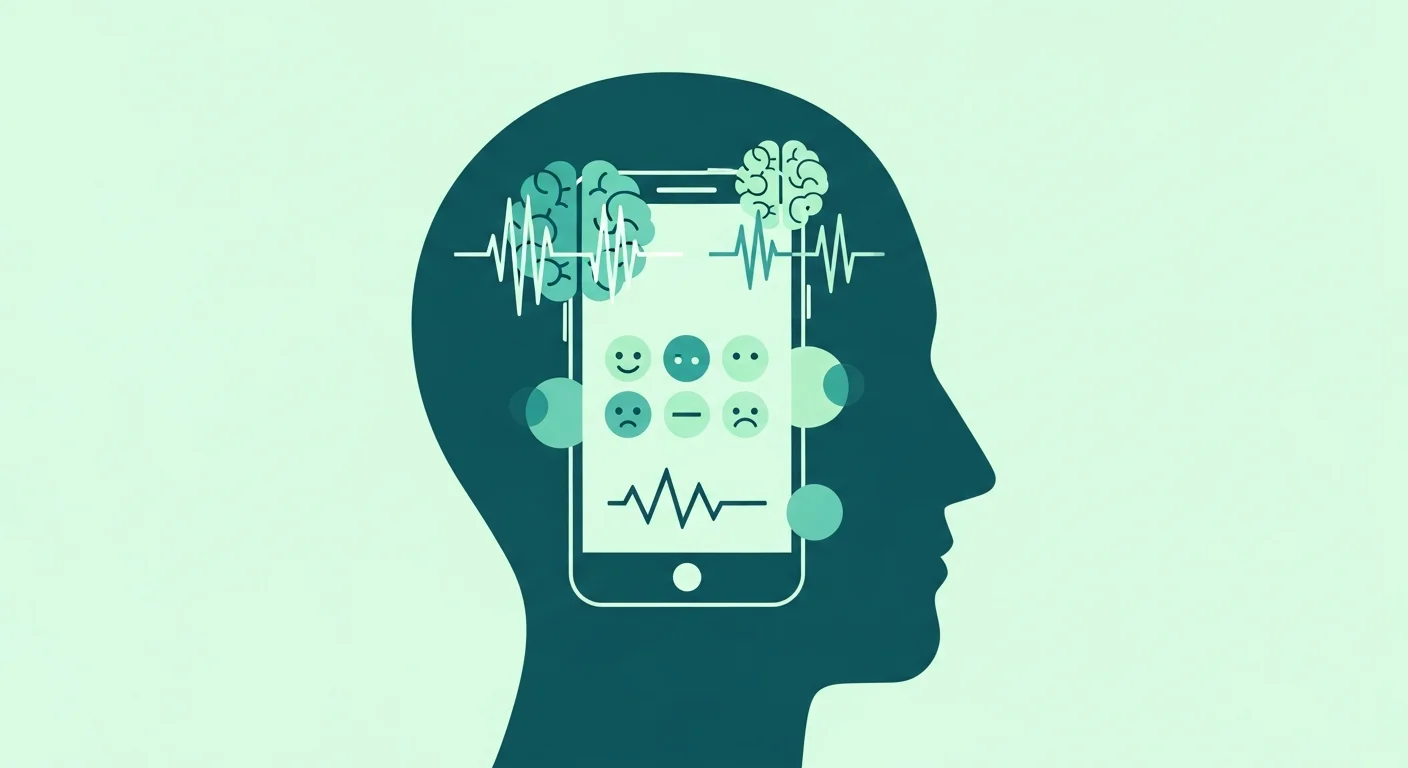
Here's where things get heavy. Smartphone Dependency symptoms in adults are strikingly similar to other forms of addiction. The mental health impact of social media scrolling is real and measurable. Every notification ping releases a tiny hit of dopamine (the same neurotransmitter involved in gambling and drug addiction). Your brain starts craving these hits, and before you know it, you're checking your phone 150 times a day without even realizing it. Research consistently shows a correlation between heavy smartphone use and increased anxiety and depression. The constant comparison game on social media doesn't help. Everyone's posting their highlight reel while you're living your blooper reel, and it messes with your head. Anxiety caused by constant notifications creates a state of perpetual alertness. You're always "on," always waiting for the next ping, always feeling like you're missing something. It's exhausting, and it keeps your stress hormones elevated way longer than they should be.
Remember when you could sit through a movie without checking your phone? Yeah, me neither. Cognitive impairment from smartphone dependency is subtle but significant. Your attention span shrinks. Your ability to focus deeply on tasks diminishes. You become accustomed to constant distraction, and anything requiring sustained concentration feels like climbing Everest. Long-term brain changes from Screen Dependency are still being studied, but early research is concerning. Heavy smartphone users show reduced gray matter in regions associated with decision-making, impulse control, and emotional regulation. Your brain is literally rewiring itself around your phone habits. We're training ourselves to be less patient, less focused, and more scattered. Reducing smartphone use for better focus isn't just about productivity. It's about preserving your cognitive abilities.
Physical Activity Takes a Hit
Let's be honest: every hour you spend on your phone is an hour you're not moving. Physical fitness decline due to phone overuse happens gradually. You choose scrolling over a walk. You binge-watch instead of hitting the gym. You stay seated during lunch break because your phone is way more entertaining than a boring walk around the block. The World Health Organization recommends at least 150 minutes of moderate physical activity per week. But when your phone becomes your primary source of entertainment and connection, exercise gets bumped down the priority list. Less physical activity means worse sleep, lower mood, higher stress levels, and increased risk of chronic diseases. It's all connected. Your phone isn't just stealing your time. It's stealing your health.
Kids and teens face amplified risks from Screen Dependency. Their brains are still developing, making them more susceptible to the addictive properties of smartphones and social media. Children who spend excessive time on screens show higher rates of anxiety, depression, sleep problems, and attention issues. Their social skills can suffer when face-to-face interaction is replaced by texting and scrolling. The physical risks hit harder too. Growing bodies are more vulnerable to posture problems, and developing eyes are more sensitive to digital eye strain.
Breaking Free: Practical Steps Forward
Here's a quick self-check to see if you're addicted. Do you feel anxious when you can't find your phone? Check it within minutes of waking up? Use it while eating, in the bathroom, or during conversations? Feel phantom vibrations in your pocket? Lose track of time when scrolling? Get irritable when someone interrupts your phone time? Choose phone time over sleep, exercise, or real-world activities? If you're nodding along to most of these, you're experiencing phone dependency. And you're not alone. Most of us are.
You don't need to go full digital detox or throw your phone in a lake. Small changes make a real difference. Hold your phone at eye level instead of looking down. Take regular breaks to stand up, stretch, and move around. Set screen time limits using built-in phone features. Create phone-free zones like your bedroom, dinner table, and bathroom. Use blue light filters or glasses, especially at night. Charge your phone outside your bedroom. Turn off non-essential notifications. Schedule specific times for checking social media instead of constant scrolling. Practice mindfulness by being present when you're with people. Replace phone time with activities you actually enjoy. The goal isn't perfection. It's awareness and small, sustainable changes that add up over time.
The Bottom Line
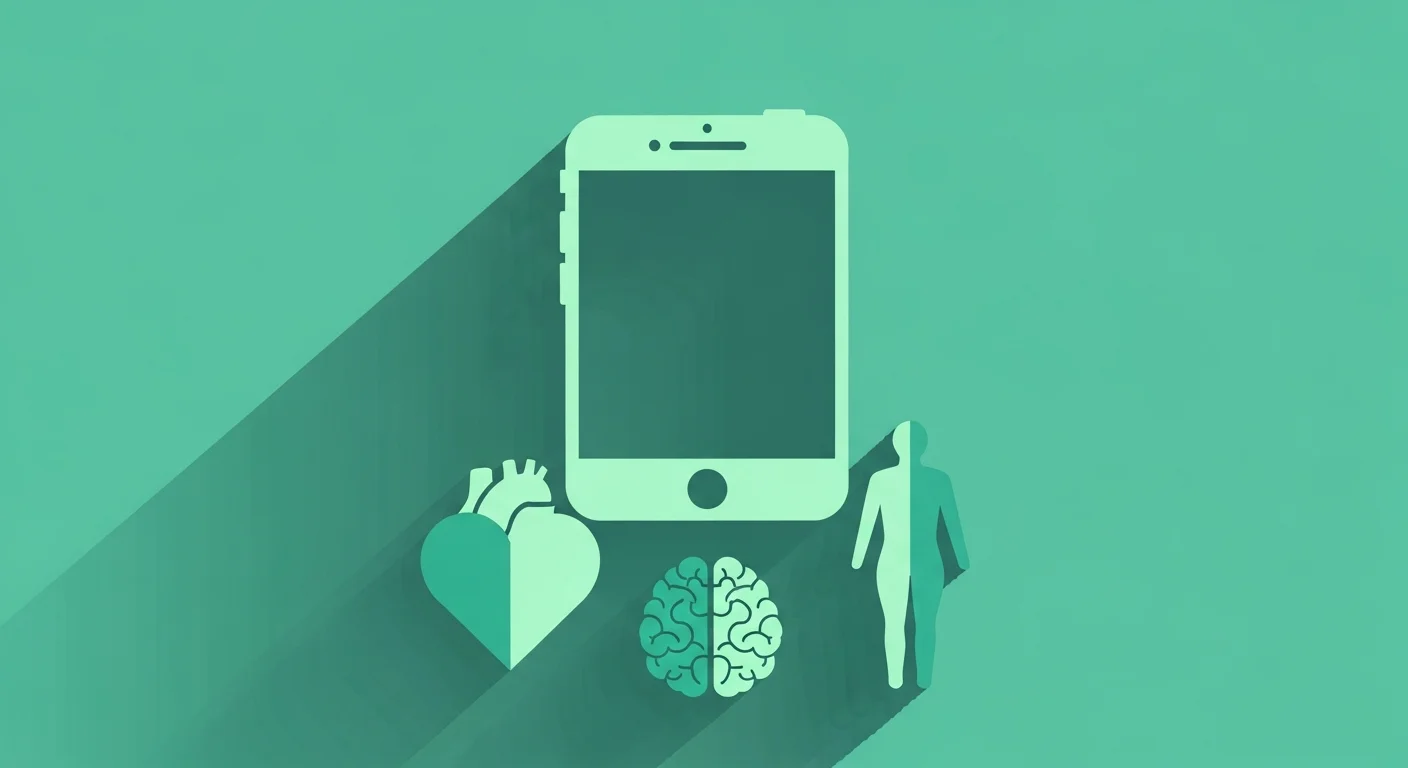
Smartphone overuse isn't just a bad habit. It's a genuine health concern with real consequences for your body and mind. From disrupted sleep and chronic pain to anxiety and attention problems, the overuse risks are significant and scientifically documented. But here's the good news: recognizing the problem is the first step toward solving it. You have more control than you think. Your phone is a tool, not your boss. It should enhance your life, not run it. So maybe tonight, try leaving your phone in another room before bed. Go for a walk without it. Have a meal where nobody's scrolling. Notice how it feels. Your future self (the one with better sleep, less neck pain, and more mental clarity) will definitely thank you.
Ready to assess your smartphone dependency? Use our Digital Wellness Calculator to get your personalized screen time score and start your journey toward better digital wellness.
Note: This article is for informational purposes only and should not be considered medical advice. If you have serious concerns about technology addiction or mental health, please consult with a qualified healthcare provider.