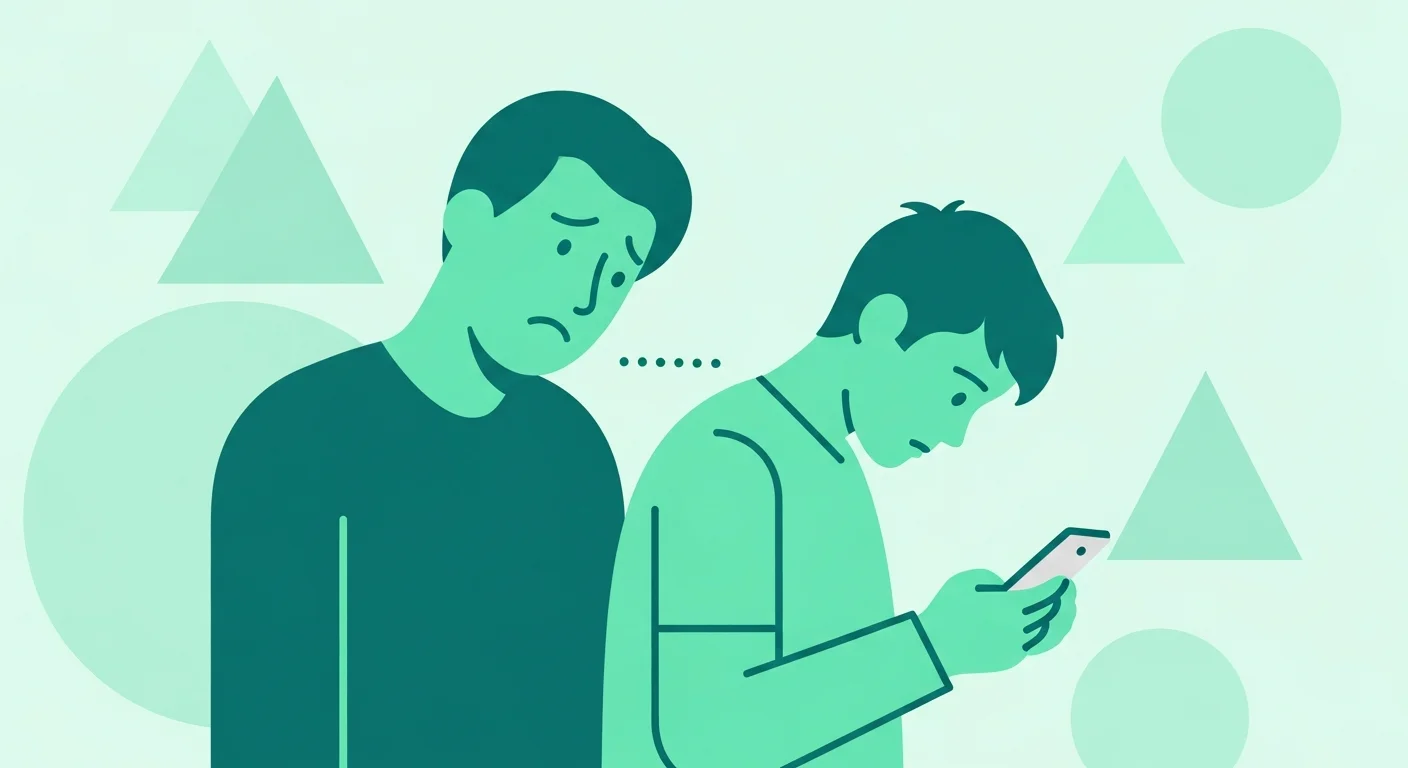
There's something genuinely heartbreaking about watching a teenager who can't make eye contact during dinner because their phone is more compelling than the humans sitting across from them. I'm not talking about the occasional distracted glance at a notification; I'm talking about that deep, compulsive relationship where the device has become their primary source of validation, entertainment, comfort, and social connection all rolled into one glowing rectangle they literally cannot put down. Teen Smartphone Dependency isn't just annoying parental concern or generational pearl-clutching anymore. It's a documented mental health crisis affecting millions of adolescents whose developing brains are being fundamentally reshaped by technology they're psychologically unprepared to moderate. The connection between teen Phone Overuse mental health and measurable psychological harm has become impossible to ignore, and if you're a parent, educator, or teenager reading this, understanding what's happening and why it matters might be the most important thing you do today.
How Does Excessive Smartphone Use Impact Teenage Mental Health and Emotional Development?
The adolescent mental health screen time relationship is particularly dangerous because teenage brains are still developing, especially the prefrontal cortex responsible for impulse control, decision making, and emotional regulation. When you introduce a device specifically engineered to be addictive during this critical developmental window, you're essentially conducting an uncontrolled experiment on an entire generation's neurological maturation. How Smartphone Dependency affects teenage brain development involves multiple concerning mechanisms: disrupted sleep patterns from late-night scrolling that interfere with crucial overnight brain consolidation, constant dopamine hits that recalibrate reward systems toward instant gratification, and reduced real-world social interaction that impairs the development of emotional intelligence and face-to-face communication skills that teenagers desperately need to learn during these formative years.
Youth digital addiction fundamentally alters how adolescents process emotions, form relationships, and understand their place in the world. Teenagers spending seven-plus hours daily on their devices outside schoolwork aren't just wasting time; they're missing critical developmental experiences that happen through unstructured play, boredom that sparks creativity, and navigating complex social situations without the buffer of a screen. Teenage depression linked to excessive phone use shows up in research consistently: teens who spend five or more hours daily on electronic devices are 71% more likely to exhibit suicide risk factors compared to those spending just one hour. That's not correlation you can dismiss; that's a screaming alarm about how profoundly smartphones are damaging adolescent psychological wellbeing. The emotional development piece is equally concerning because phones provide an escape from uncomfortable feelings rather than teaching teenagers how to process and manage those emotions, creating a generation that reaches for digital distraction whenever life gets difficult instead of developing resilience and coping skills.
What Are the Warning Signs That a Teen's Phone Habits Are Harming Their Psychological Wellbeing?
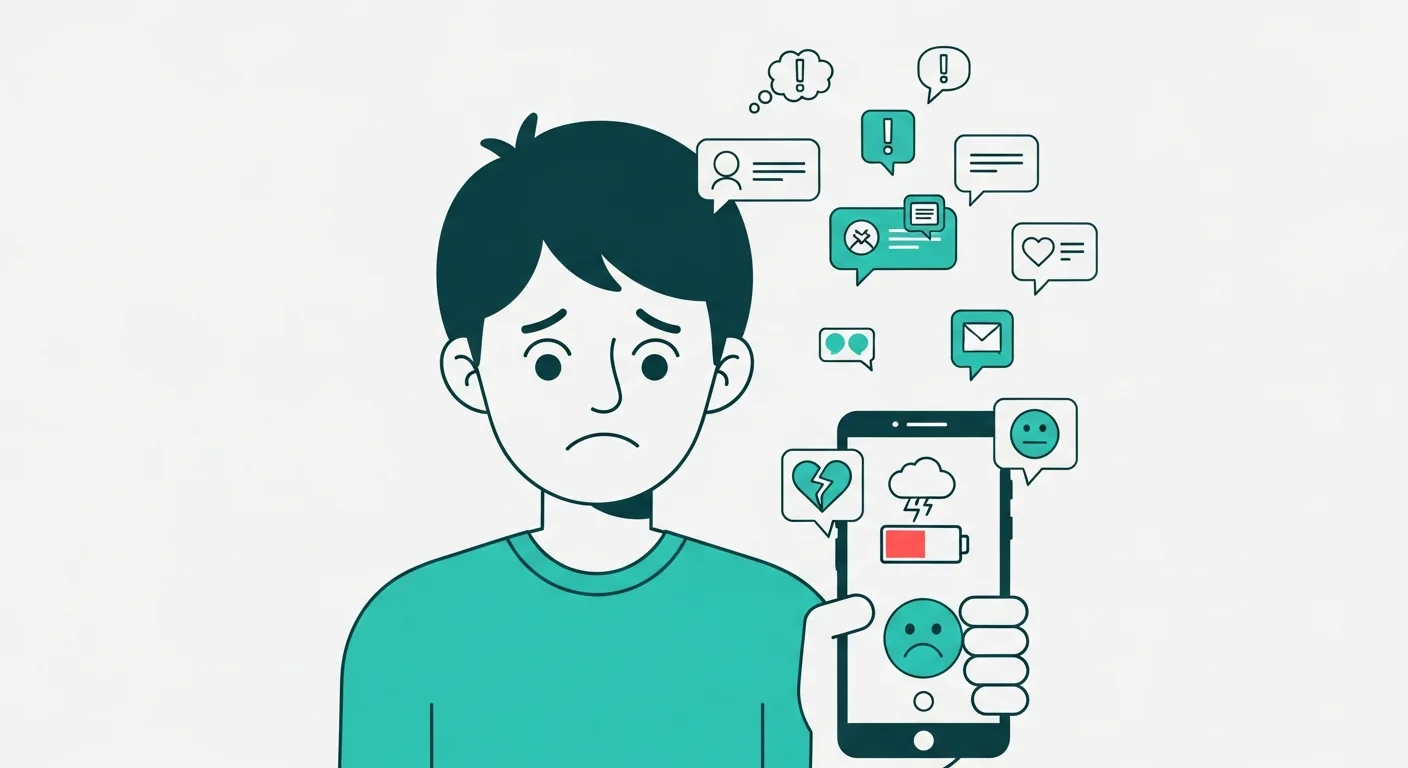
Signs of Phone Overuse in high school students manifest across multiple domains, and parents need to recognize these patterns before they become entrenched. Watch for dramatic mood swings when the phone is taken away, ranging from irritability to genuine rage that seems disproportionate to the situation. Notice if your teenager experiences anxiety or panic when they can't find their phone or when the battery dies, which indicates teenage nomophobia, the clinical fear of being without mobile connectivity. Pay attention to declining academic performance not because your kid isn't smart enough but because their attention span has been fragmented into TikTok-sized pieces that can't sustain focus on homework or studying. Observe whether they're withdrawing from family activities, previously enjoyed hobbies, or face-to-face social interaction in favor of constant phone engagement, which signals that the device has replaced real-world relationships as their primary source of connection.
At what point does normal teen phone use become a mental health risk requiring intervention? When it starts interfering with sleep, relationships, responsibilities, or emotional stability. If your teenager can't sleep without scrolling until 2 AM, if they choose phone time over spending time with friends who are physically present, if they're neglecting homework or chores because they're glued to their device, if they become hostile or withdrawn when you suggest reducing screen time, you've crossed from typical teenage behavior into territory that needs addressing. Adolescent screen overuse also shows up through physical symptoms like headaches, eye strain, and poor posture, but the psychological markers are often more revealing: increased anxiety, depressive symptoms, low self-esteem, difficulty concentrating, and emotional volatility that didn't exist before the smartphone became omnipresent in their life.
Can Smartphone Dependency in Adolescents Lead to Anxiety, Depression, or Other Mental Disorders?
Yes, and the research on this is becoming increasingly clear and increasingly alarming. Youth smartphone dependency doesn't just correlate with mental health issues; it appears to actively contribute to their development and severity. Mental health consequences of social media in teens include body image disorders fueled by constant comparison to filtered, edited images that represent impossible beauty standards, social anxiety from fear of missing out on experiences they see others having online, and depression stemming from cyberbullying, social rejection, or the simple exhaustion of maintaining a digital persona that never matches how they actually feel. Teen social media mental health research shows that platforms like Instagram and TikTok, which emphasize appearance and social validation through likes and comments, are particularly harmful to adolescent self-esteem and mood regulation.
The teenage mobile addiction psychology involves reward system hijacking similar to substance addiction. Every notification triggers a small dopamine release that the teenage brain, already primed for reward-seeking behavior, finds intensely compelling. Over time, this creates tolerance where they need more stimulation to achieve the same satisfaction, driving increased usage that crowds out healthier activities and coping mechanisms. The anxiety piece often develops because phones create this perpetual state of being "on call," where teenagers feel obligated to respond immediately to messages, maintain streaks, and stay constantly updated on their social networks. The pressure is relentless and exhausting, yet they can't disconnect because the fear of social exclusion or missing something important overrides their need for rest and mental space. Depression follows when the comparison trap, isolation from genuine connection, and chronic sleep deprivation compound into a psychological state where nothing feels good anymore except the brief hits of validation their phone occasionally provides.
What Strategies Help Parents Address Their Teenager's Problematic Phone Use and Mental Health Concerns?
Parenting strategies for teen screen time addiction require walking a tightrope between necessary boundaries and respecting adolescent autonomy, which is developmentally appropriate and crucial for their growth into independent adults. Start with honest conversations about your observations and concerns without judgment or accusations. "I've noticed you seem more anxious lately and I wonder if your phone use might be contributing" opens dialogue better than "You're dependent on that damn phone." Establish clear family rules around device use that apply to everyone, not just teenagers, because consistency and modeling matter. Phone-free dinner times, no screens in bedrooms after a certain hour, and designated device-free family activities create structure while demonstrating that you're committed to the same boundaries you're asking them to follow.
Preventing Smartphone Dependency in teenage years also means providing alternatives that address the underlying needs phones fulfill. Teenagers use phones for entertainment, social connection, escape from stress, and identity exploration. Help them find healthier ways to meet those needs: encourage hobbies that engage their hands and mind, facilitate face-to-face social opportunities, teach stress management techniques beyond digital distraction, and create space for them to explore who they are becoming without the performance pressure of social media. Treatment options for adolescent phone dependency range from family therapy that addresses household dynamics enabling the addiction to individual counseling using cognitive behavioral therapy techniques to specialized programs for behavioral addictions when the problem has become severe. The key is recognizing when your attempts at home intervention aren't sufficient and seeking professional help before the mental health consequences become more serious.
How Do Social Media Platforms on Smartphones Specifically Affect Teen Self-Esteem and Mood?
Social media's impact on teen self-esteem operates through several toxic mechanisms that converge into a perfect storm of psychological damage. The comparison trap is constant and unavoidable: teenagers see curated highlight reels from peers and influencers, then compare those carefully edited presentations to their own messy, unfiltered reality, invariably concluding they're not attractive enough, popular enough, successful enough, or interesting enough. The validation economy where self-worth becomes tied to likes, comments, and follower counts creates anxiety around posting, fear of being ignored, and crushing disappointment when content doesn't perform as hoped. Cyberbullying and social exclusion happen 24/7 through these platforms, following teenagers home from school into what should be safe spaces, making escape from peer cruelty impossible in ways that previous generations never experienced.
Teen social media mental health suffers because these platforms are specifically designed to maximize engagement through algorithms that prioritize content triggering strong emotional reactions, usually outrage, envy, or inadequacy. Teenagers consuming hours of algorithmically-selected content get a distorted view of reality that makes their own lives seem boring or insufficient by comparison. The performative nature of social media also prevents authentic self-expression and connection; teenagers present versions of themselves designed to garner approval rather than exploring who they actually are, which interferes with the crucial adolescent developmental task of identity formation. The mood impacts are immediate and measurable: studies show teenagers report feeling worse about themselves and their lives after social media sessions, yet they keep returning because the addictive design overrides their ability to make healthy choices about their technology use.
Which Mental Health Treatments Work Best for Teenagers Struggling With Smartphone Dependency?
Effective treatment for teenage phone dependency typically combines multiple approaches addressing both the addiction itself and underlying issues driving compulsive use. Cognitive behavioral therapy helps teenagers identify triggers for phone use, challenge distorted thoughts around social media and digital validation, and develop healthier coping strategies for managing difficult emotions without retreating into their devices. Family therapy addresses household dynamics, establishes consistent boundaries, and helps parents respond effectively to their teenager's addiction without enabling it or creating unnecessary conflict. Group therapy with other teens struggling with similar issues provides peer support, reduces isolation and shame, and allows teenagers to learn from each other's strategies and setbacks in ways that feel more relevant than adult advice.
Some teenagers benefit from more intensive interventions like partial hospitalization programs or residential treatment when Phone Overuse has become severe enough to completely interfere with functioning or when co-occurring mental health conditions like major depression or anxiety disorders require comprehensive treatment. The most successful approaches recognize that teenage phone dependency rarely exists in isolation; it's usually intertwined with anxiety, depression, social difficulties, family stress, or other psychological issues that need simultaneous attention. Medication sometimes helps when underlying conditions like ADHD or severe anxiety contribute to problematic phone use, though pills alone never solve behavioral addictions. The goal isn't eliminating phone use entirely, which is unrealistic in modern society, but teaching teenagers to develop a healthier relationship with technology where they control their devices rather than being controlled by them, where real-world experiences take priority over digital ones, and where their self-worth comes from internal sources rather than external validation through screens.
Teen mental health and Smartphone Dependency represent one of the defining challenges for this generation of adolescents and the adults trying to guide them through increasingly complex technological landscapes. The statistics are alarming, the mental health consequences are real and serious, but solutions exist when parents, educators, and teenagers themselves recognize the problem and commit to addressing it before the damage becomes irreversible. Your teenager's brain is still developing, which means patterns aren't permanent yet and change is absolutely possible with the right support, boundaries, and treatment when necessary.
If you're concerned about your teenager's phone use and mental health, start the conversation today. Their developing brain and future wellbeing are worth the uncomfortable discussions.