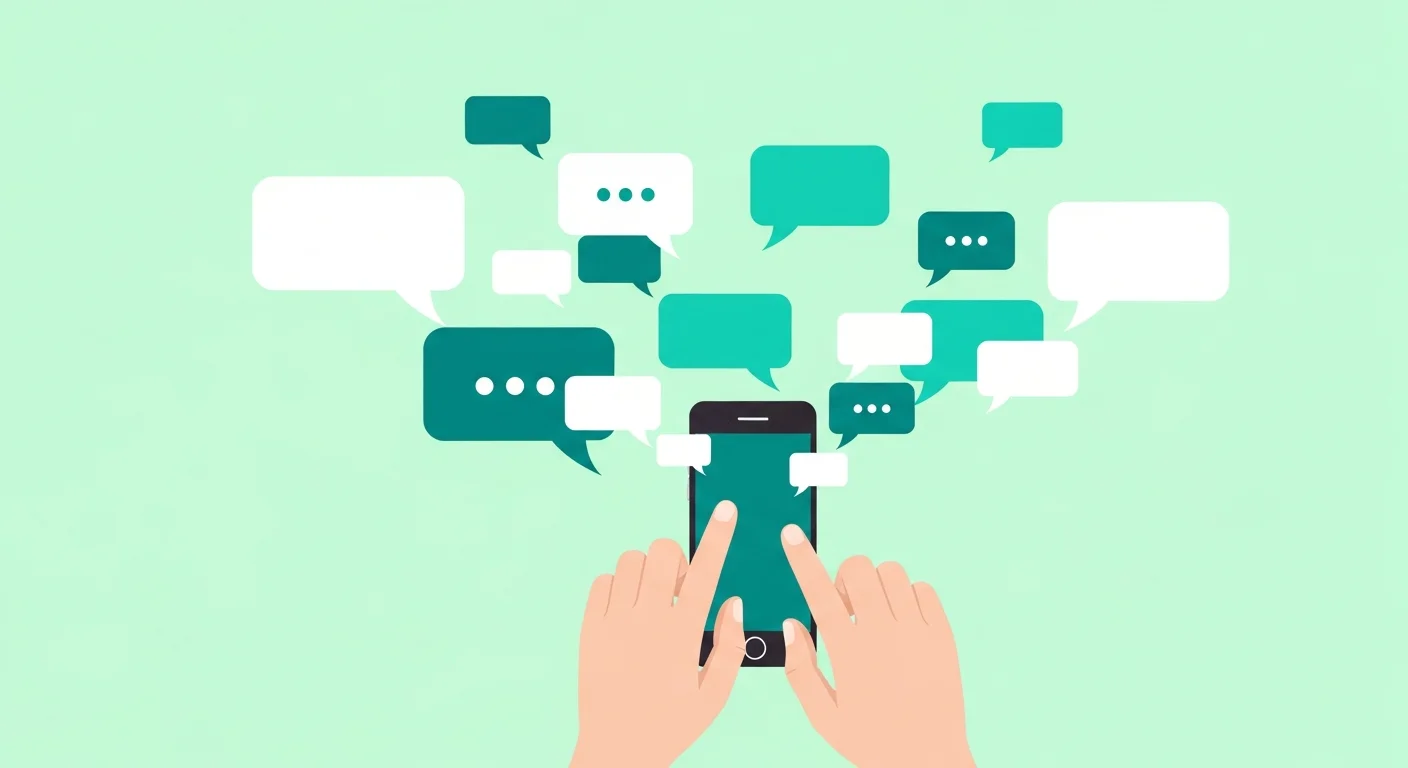
I sent 347 text messages yesterday. I know because I checked, and that number made me feel physically sick. Not because I had 347 meaningful conversations or urgent matters to discuss, but because I couldn't stop. I'd finish one conversation, feel this uncomfortable itch, and immediately start another. Waiting in line? Text someone. Commercial break? Text someone. Walking between rooms in my own apartment? Text someone. My thumbs moved automatically, like they had their own nervous system completely divorced from conscious thought. That realization hit me hard: I wasn't communicating anymore. I was compulsively texting because not texting felt wrong, uncomfortable, like leaving a sentence unfinished.
What Are the Key Indicators of Compulsive Texting Behavior?
The warning signs of texting addiction often hide in plain sight because we've normalized constant messaging to the point where genuinely problematic behavior looks just like everyone else's daily routine. But there are distinct patterns that separate normal communication from compulsive texting signs that warrant attention. First and most obvious is the sheer volume. If you're sending hundreds of messages daily, and most of them aren't substantive or necessary, that's a red flag. But volume alone doesn't tell the whole story. The real indicator is what happens when you can't text. Do you feel anxious? Irritable? Do you constantly check your phone even when you know there are no new messages? That anxiety in the absence of texting reveals dependency, not just preference.
Another critical indicator is texting during activities that should command your full attention. Texting while driving is the most dangerous example, with distracted driving now causing more accidents than drunk driving in many areas. But the compulsive texting behavior extends beyond just safety risks. Do you text during meals with friends or family? During movies? During important conversations with someone sitting right in front of you? When texting consistently takes priority over the people and activities physically present in your life, you've crossed from communication tool to addictive behavior. I know someone who texts throughout dinner with her husband every single night, carrying on multiple conversations with people who aren't there while barely acknowledging the person sitting across from her. When she tried to stop for just one meal, she lasted about seven minutes before the anxiety became unbearable and she reached for her phone again.
How Can You Tell If Texting Habits Have Become Addictive?
The distinction between heavy use and actual messaging addiction symptoms comes down to control and consequences. Can you choose not to text? If you're at a concert or in a meeting and you've decided not to use your phone, can you actually maintain that boundary without overwhelming urges to check your messages? Or do you find yourself sneaking glances, making excuses to step out, feeling preoccupied with what you might be missing? That inability to voluntarily disconnect, even temporarily, signals that your texting habits have become addictive rather than just habitual. The other key marker is consequences. Has your texting caused problems in your relationships, work, or daily functioning? Have people complained about your constant texting? Have you missed important information or made mistakes because you were distracted by your phone? If you're experiencing negative consequences but continue the behavior anyway, that's addiction.
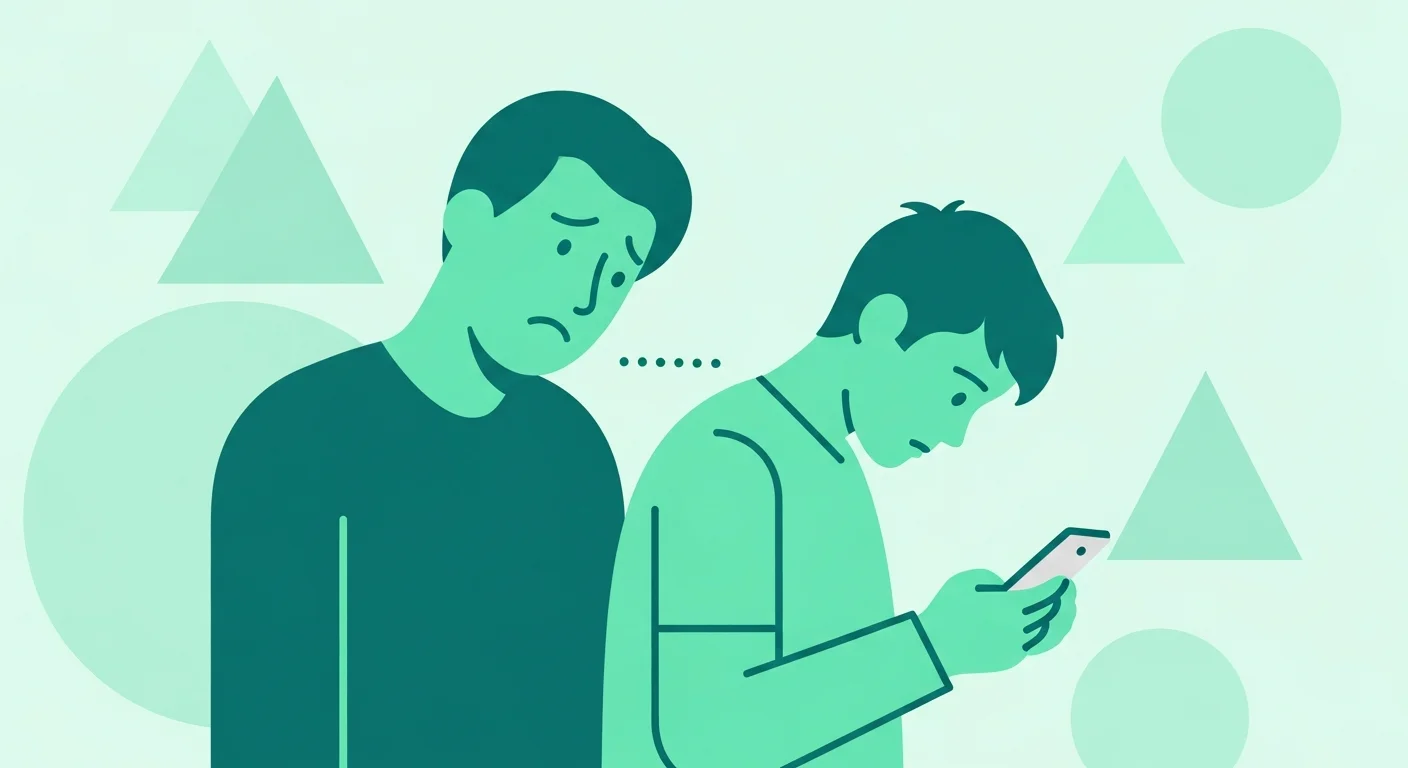
Identifying texting addiction in relationships presents its own unique challenges because the behavior often masquerades as connection. You're technically communicating more, sending more messages, staying in touch more frequently. But quantity doesn't equal quality, and excessive texting can actually damage relationships by replacing deeper, more meaningful interaction with constant superficial check-ins. Partners often describe feeling like they're competing with the phone for attention, knowing their significant other is physically present but emotionally engaged with a screen. The warning signs of texting addiction in teenagers follow similar patterns but often manifest more intensely. Adolescents whose identities and social status are still forming can become desperately attached to maintaining constant text-based connection with their peer groups, experiencing genuine distress when separated from their devices.
What Practical Steps Help Break Free From Texting Overuse?
Solutions for reducing daily text message overuse start with honest self-assessment using your phone's built-in tracking features. Look at your actual messaging data for the past week. How many texts did you send? How much time did you spend in messaging apps? That concrete data creates accountability and makes it harder to rationalize the behavior. Once you've established your baseline, set specific, measurable reduction goals. Don't try to quit cold turkey unless you're unusually disciplined. Instead, aim to reduce your daily texting by 20-30% in the first week. Track your progress daily and adjust as needed.
The best apps to control texting frequency addiction work by adding friction to the automatic texting impulse. Apps like Freedom or Offtime allow you to block messaging apps during specific hours or for set periods. One Sec takes a different approach, intercepting your attempt to open messaging apps and requiring a breathing exercise and moment of reflection before allowing access. About 40% of the time, that pause is enough to make you realize you don't actually need to text right now. The key is finding tools that match your specific behavior patterns. If you text compulsively at night, schedule blocks during evening hours. If you text while driving despite knowing the dangers, use an app that activates automatically when your phone detects driving speeds.
Which Warning Signs Point to Texting Dependency Issues?
Beyond the obvious red flags, several subtle indicators suggest deeper texting dependency that requires attention. Physical symptoms include thumb pain or numbness from repetitive motion, eye strain from constant screen focus, and neck problems from looking down at your phone. These aren't just minor discomforts, they're your body signaling that your behavior has become physically damaging. Emotional symptoms are equally telling. Do you feel lonely or disconnected even while maintaining constant text conversations? That paradox, being hyper-connected yet feeling isolated, reveals that texting has replaced rather than enhanced genuine connection.
Sleep disruption is another critical warning sign. If you're texting late into the night or waking up to check messages, your text dependency is interfering with basic health needs. The blue light from screens suppresses melatonin production, making it harder to fall asleep, while the cognitive stimulation of conversations keeps your brain activated when it should be winding down. Effects and fixes for constant messaging dependency must address both the behavior and the underlying needs it's meeting, whether that's boredom, anxiety, loneliness, or fear of missing out.
What Strategies Work Best to Curb Excessive Messaging Addiction?
The most effective strategies for text dependency recovery combine environmental design with replacement behaviors. Start by creating text-free zones in your life: no texting during meals, in bed, or during the first and last hour of your day. These boundaries might feel impossible at first, triggering genuine anxiety, but they become easier with practice. Replace texting with alternative activities that meet the same psychological needs. If you text when bored, keep a book handy. If you text for connection, call someone instead or arrange face-to-face meetings. The goal isn't to eliminate communication but to restore balance and intentionality.
Self-help tips for texting habit recovery emphasize gradual change over dramatic intervention. Most people who try to quit texting completely fail within days because the behavior is too deeply ingrained and socially expected. Instead, focus on conscious choice. Before sending each text, pause and ask: Is this necessary? Is this adding value? Could this wait? That moment of awareness interrupts the automatic compulsion and gradually retrains your brain to approach texting more intentionally. Over time, what starts as effortful conscious choice becomes new habit, and you'll find yourself naturally texting less without feeling deprived.
Take Back Control
Your thumbs don't have to be in constant motion. The conversations can wait. The messages can go unanswered for an hour, or even a day, without the world ending. Start by setting one simple boundary today. Maybe it's no texting during dinner. Maybe it's keeping your phone out of your bedroom. Just one boundary that you can actually maintain. That small success builds confidence and momentum for larger changes. You're not giving up connection by breaking texting addiction, you're reclaiming the ability to be fully present in your actual life instead of perpetually distracted by a screen.
Ready to assess your smartphone dependency? Use our Digital Wellness Calculator to get your personalized screen time score and start your journey toward better digital wellness.
Note: This article is for informational purposes only and should not be considered medical advice. If you have serious concerns about technology addiction or mental health, please consult with a qualified healthcare provider.