Let me ask you something: when was the last time you went an entire hour without checking your phone? Can't remember? Yeah, me neither. And that's exactly the problem we need to talk about.
Here's the thing. I used to think I had it all under control. Sure, I checked my phone a lot, but who doesn't these days? Then one morning, I woke up and realized my phone was literally the first thing I touched before my eyes were fully open. Not my partner. Not even a glass of water. My phone. That moment hit different, you know?
We've all become somewhat dependent on these glowing rectangles we carry everywhere, but there's a fine line between normal use and full-blown smartphone dependency. And honestly? Most of us crossed that line without even noticing. The average person touches their phone over 2,600 times a day. Let that sink in for a second. That's not casual use anymore. That's a relationship status that would make any therapist raise an eyebrow.
But here's the good news: recognizing you might have a problem is literally the first step toward fixing it. So let's dive into the warning signs that indicate problematic smartphone use and, more importantly, what you can actually do about it.
Understanding Phone Overuse Symptoms
Can smartphone dependency actually be classified as a behavioral addiction? Yes, and science backs this up. Behavioral health experts increasingly recognize excessive phone use as a legitimate addiction pattern that shares similarities with gambling addiction or substance dependency. Your brain releases dopamine when you get notifications, likes, or messages, creating the same reward pathway that makes other addictions so powerful. It's not just about willpower. It's neurochemistry working against you.
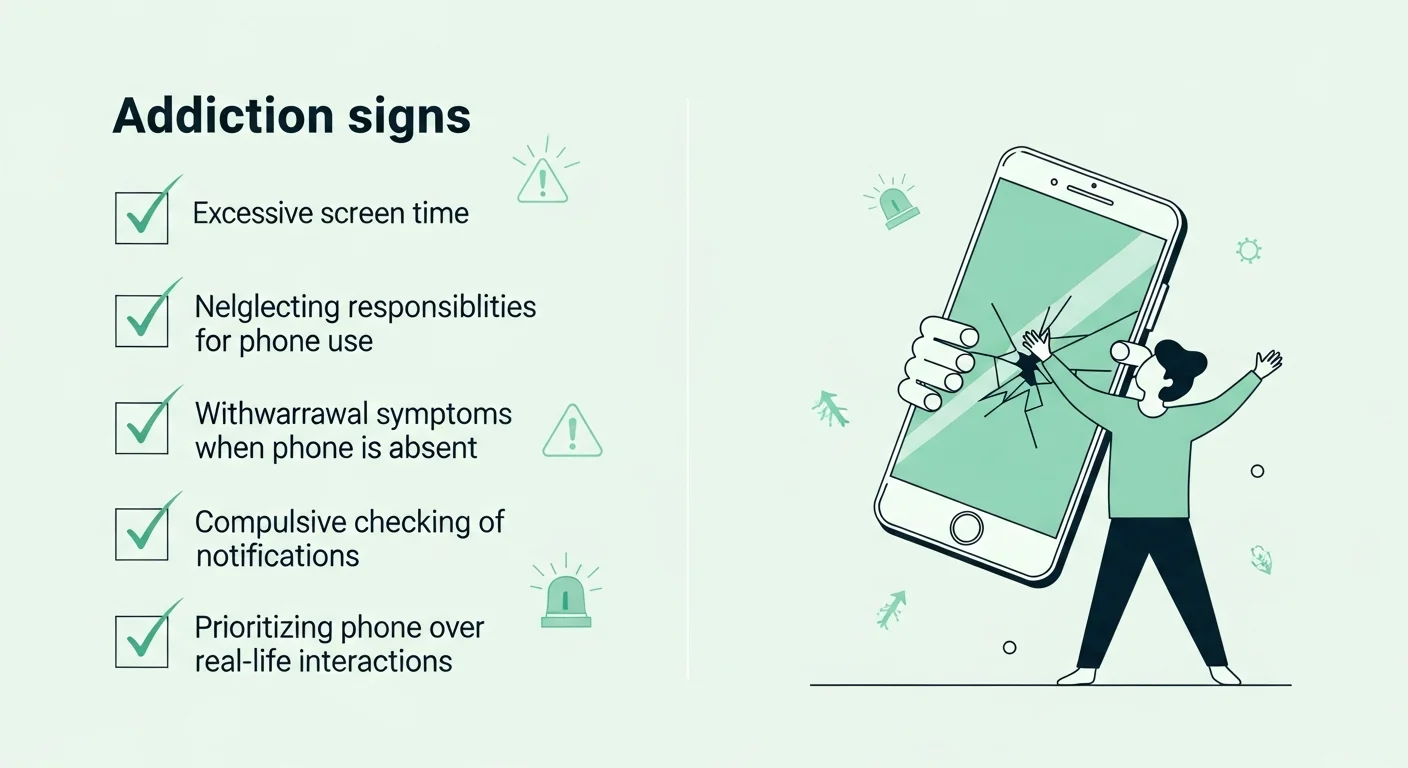
So how do you tell if you're dependent on your smartphone? The signs of mobile phone dependency aren't always obvious because, unlike other addictions, society actively encourages this one. Your boss expects instant email responses. Your friends get annoyed if you don't reply to texts immediately. It's a weird situation where the addiction is almost normalized.
Here are the red flags I've learned to watch for, both in myself and others:
Physical Warning Signs:
You experience anxiety or panic when your phone battery gets low or you forget your device at home. That knot in your stomach? That's withdrawal, plain and simple. You might also notice phantom vibrations where you swear your phone buzzed but it didn't. Your posture has changed too, probably. That forward head lean and rounded shoulders? Direct result of hunching over your screen for hours.
Behavioral Red Flags:
You check your phone within five minutes of waking up, even before getting out of bed. During conversations, your attention drifts to your device repeatedly. You've walked into things or people because you were staring at your screen. You feel compelled to document everything for social media rather than just experiencing the moment. And be honest: you've definitely used your phone while driving, even though you know better.
Psychological Effects of Phone Overuse:
The psychological effects of excessive phone use run deeper than most people realize. I've watched friends become genuinely irritable and restless when separated from their devices. Sleep quality takes a massive hit because blue light exposure tricks your brain into thinking it's daytime, disrupting your circadian rhythms completely. Concentration spans shrink dramatically. Remember when you could read an entire book without picking up your phone? Now even reading a long article feels like a marathon.
Research shows that constant phone checking creates a state of continuous partial attention, where you're never fully present anywhere. Your brain is always half-waiting for the next notification, the next dopamine hit. This fragmented attention makes deep work nearly impossible and leaves you feeling mentally exhausted without accomplishing much.
How Many Hours Is Too Many?
How many hours of daily phone usage is considered excessive or unhealthy? Most experts agree that anything over four hours of recreational screen time daily crosses into problematic territory. But context matters enormously here. If you're using your phone for work, that's different than mindlessly scrolling social media for five hours straight.
The real question isn't just about hours though. It's about how phone usage affects your life. Are you missing sleep? Ignoring real-life relationships? Feeling anxious without your device? Those impacts matter more than raw screen time numbers.
| Daily Screen Time | Classification | Typical Impact |
|---|---|---|
| Under 2 hours | Low use | Minimal interference with daily life |
| 2-4 hours | Moderate use | Some productivity impact, manageable |
| 4-6 hours | High use | Significant impact on sleep, relationships, work |
| Over 6 hours | Excessive use | Severe interference across life areas |
Here's what constantly checking your phone does to your productivity and concentration levels: it destroys them. Every time you pick up your device, even for a quick glance, it takes your brain an average of 23 minutes to fully refocus on what you were doing before. That's not an exaggeration. That's actual research data. So those quick phone checks throughout your workday? They're absolutely decimating your ability to do meaningful work.
Breaking Free: Practical Digital Detox Methods
Alright, enough doom and gloom. Let's talk solutions. What are proven strategies to reduce phone screen time effectively without feeling like you're cutting off a limb?
Start Small With Phone Usage Habits:
Don't try to go from six hours daily to thirty minutes overnight. That's setting yourself up for failure. Instead, identify your biggest time-wasters. For most people, that's social media. Use your phone's built-in screen time tracker to see exactly where your time goes. The data might shock you, but that awareness is powerful.
Creating Healthy Phone Usage Boundaries:
Designate phone-free zones in your life. My bedroom became a no-phone zone after 9 PM, and my sleep quality improved dramatically within a week. The bathroom? Another great phone-free space. Meal times with others? Absolutely no devices. These boundaries feel weird at first, like something's missing, but your brain adjusts faster than you'd think.
Digital Wellness Strategies That Actually Work:
Turn off non-essential notifications. You don't need to know every time someone likes your photo or a sale starts at some random store. Keep only the truly important ones like calls from family or work-related messages. Change your screen to grayscale. This simple trick makes your phone visually boring, reducing the dopamine hit you get from using it. The colorful apps are literally designed to be addictive, so removing that element helps tremendously.
Apps That Track Smartphone Dependency:
Ironically, apps can help you overcome app addiction. Tools like Forest, Freedom, or your phone's native screen time features provide accountability and structure. Set specific usage limits for problematic apps. When Instagram cuts you off after thirty minutes, you're forced to confront your behavior rather than mindlessly continuing.
Technology Addiction Recovery Techniques:
Replace phone time with something tangible. Keep a book on your nightstand instead of reaching for your device. Take up a hobby that requires both hands, like cooking or playing an instrument. Physical activities work especially well because they're incompatible with phone use. It's hard to scroll through Twitter while rock climbing, you know?
Overcoming Compulsive Phone Checking Behavior:
The urge to check your phone is often just habit, not actual need. Try the "five-minute rule." When you feel the urge to check your device, wait five minutes. Often, the impulse passes completely. If you still feel you need to check after five minutes, go ahead. This creates a pause that helps break the automatic behavior loop.
The Relationship Factor
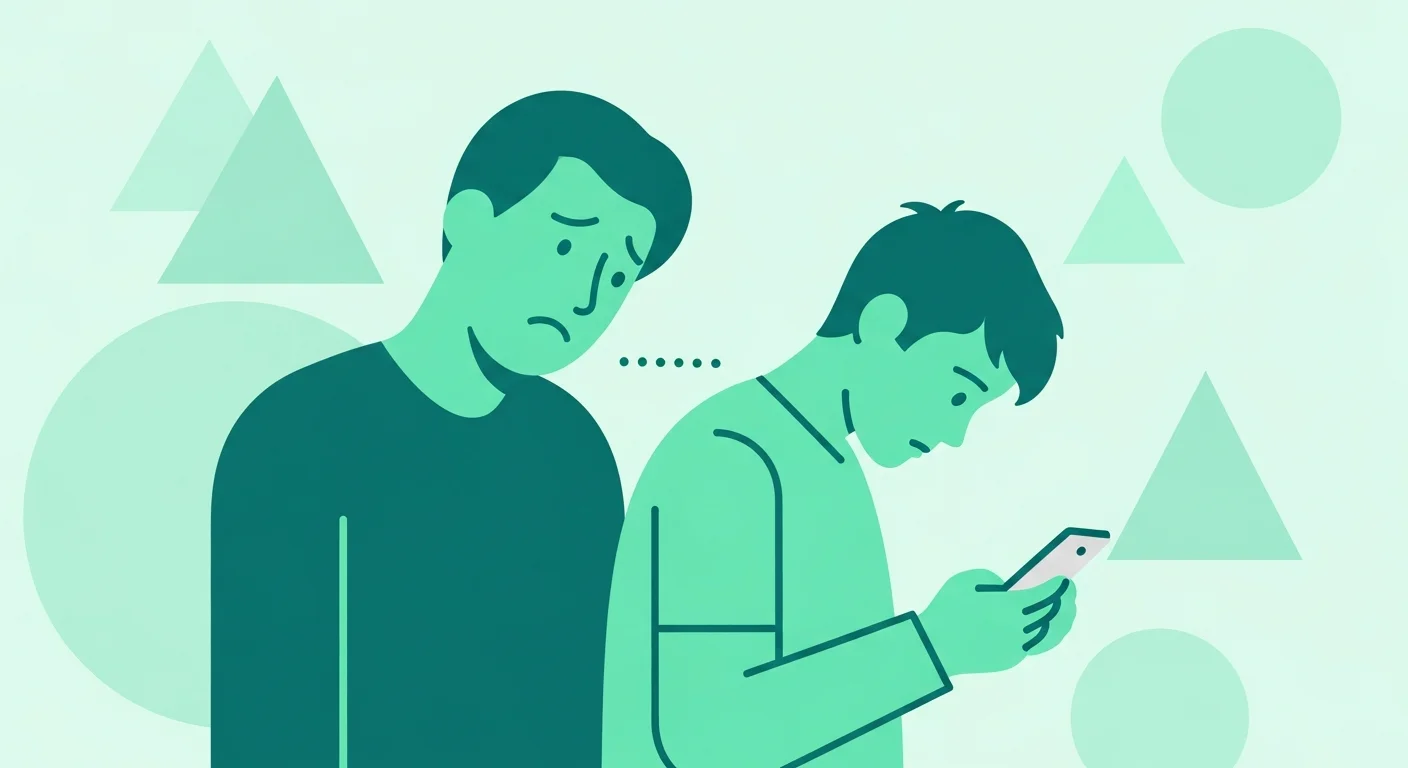
How does Smartphone Dependency affect relationships? More than you probably want to admit. "Phubbing," the act of snubbing someone in favor of your phone, has become so common there's actually a word for it now. And research shows it genuinely damages relationship satisfaction and emotional connection. Your partner can tell when you're only half-listening because you're checking notifications. Your kids notice when you're more engaged with your screen than with them. These moments add up, creating distance that's hard to bridge later.
I've made it a personal rule: when someone's talking to me, my phone stays in my pocket. Period. It felt awkward initially, fighting that muscle memory to reach for my device. But the quality of my conversations improved dramatically. People appreciate being truly heard, and honestly, I retain information better when I'm actually paying attention.
Conclusion
Breaking free from mobile device overuse isn't about achieving some impossible perfect balance or abandoning technology entirely. That's not realistic in our modern world, and honestly, it's not necessary. The goal is creating a healthier relationship with your smartphone where you control it instead of it controlling you.
The signs of Phone Overuse are everywhere once you start looking: the anxiety without your device, the constant checking, the fractured attention, the sleep problems, the strained relationships. But recognizing these patterns gives you power to change them. Small shifts in your phone usage habits compound over time into significant lifestyle improvements.
Start with one strategy from this article. Just one. Maybe it's turning off notifications, creating a bedroom phone ban, or using grayscale mode. Give it a real shot for two weeks and pay attention to how you feel. I'm betting you'll notice more presence, better sleep, and genuine connections that make you realize how much you've been missing while staring at a screen.
Your phone is a tool, not a lifestyle. Time to remember that.
Ready to assess your smartphone dependency? Use our Digital Wellness Calculator to get your personalized screen time score and start your journey toward better digital wellness.
Note: This article is for informational purposes only and should not be considered medical advice. If you have serious concerns about technology addiction or mental health, please consult with a qualified healthcare provider.