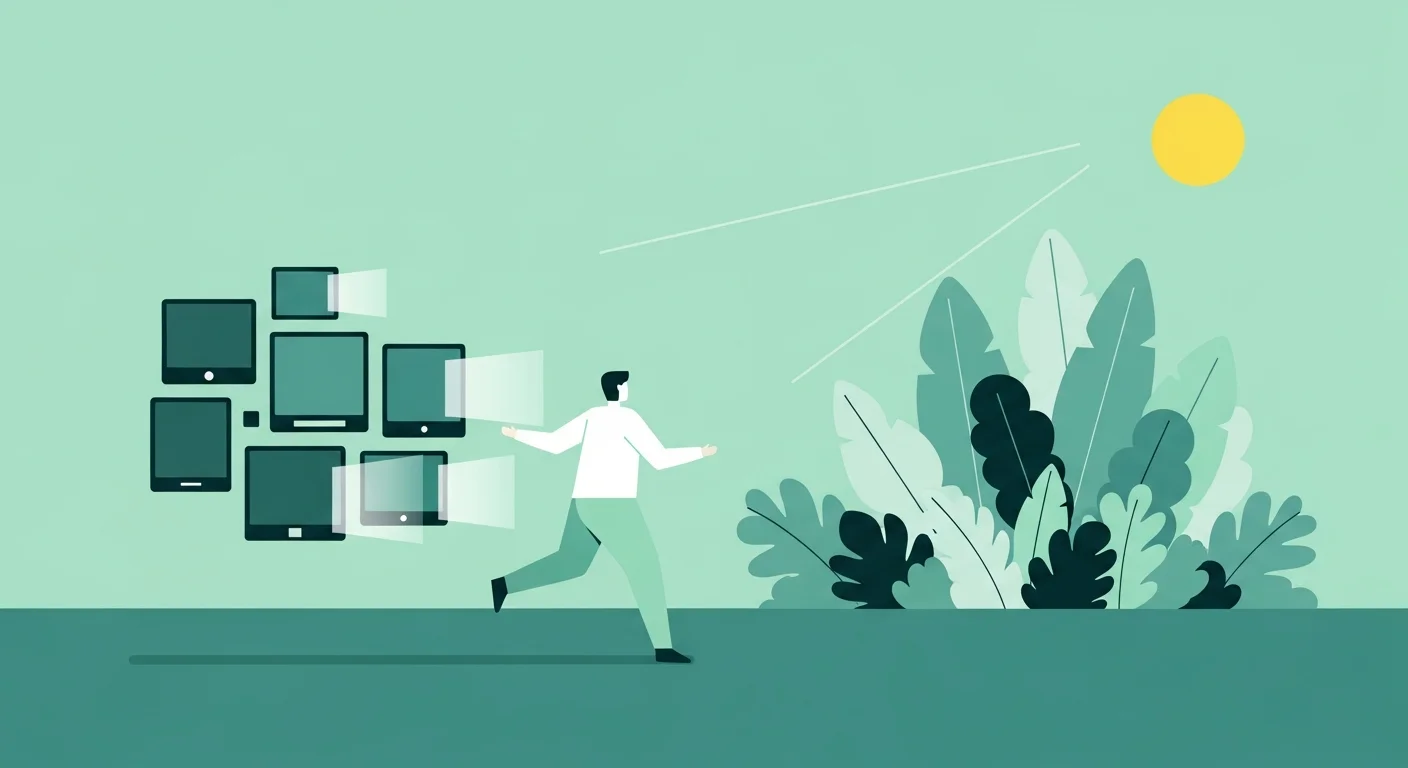
Let's get one thing straight before we dive into solutions: you don't need to spend thousands on a therapist or check yourself into a digital detox retreat in the mountains to break free from Phone Overuse. I know those options sound appealing when you're at your lowest, staring at screen time stats that make you question your entire existence, but the truth is most people can quit Phone Overuse using straightforward self-help strategies that cost nothing except commitment and consistency. The Smartphone Dependency tips that actually work aren't complicated or revolutionary; they're practical, implementable changes that address the specific behaviors and triggers keeping you trapped in compulsive phone use. What separates those who successfully reclaim their attention from those who keep trying and failing isn't willpower or moral superiority. It's having a clear plan and following it even when it gets uncomfortable.
What Practical Self-Help Steps Reduce Smartphone Dependency?
Easy self-help tips to stop smartphone overuse start with creating physical barriers between you and your device, because out of sight genuinely translates to out of mind more often than you'd expect. Mobile addiction self-help begins by changing where you keep your phone during vulnerable times: charge it in another room overnight so you can't scroll before sleep or first thing upon waking, leave it in your bag during meals instead of on the table, store it in your car's trunk or glove compartment during errands to resist the urge to check it at every red light. These might sound overly simple, but addiction thrives on convenience and accessibility, so intentionally creating inconvenience disrupts the automatic reach-and-scroll pattern that happens before your conscious mind even registers the decision.
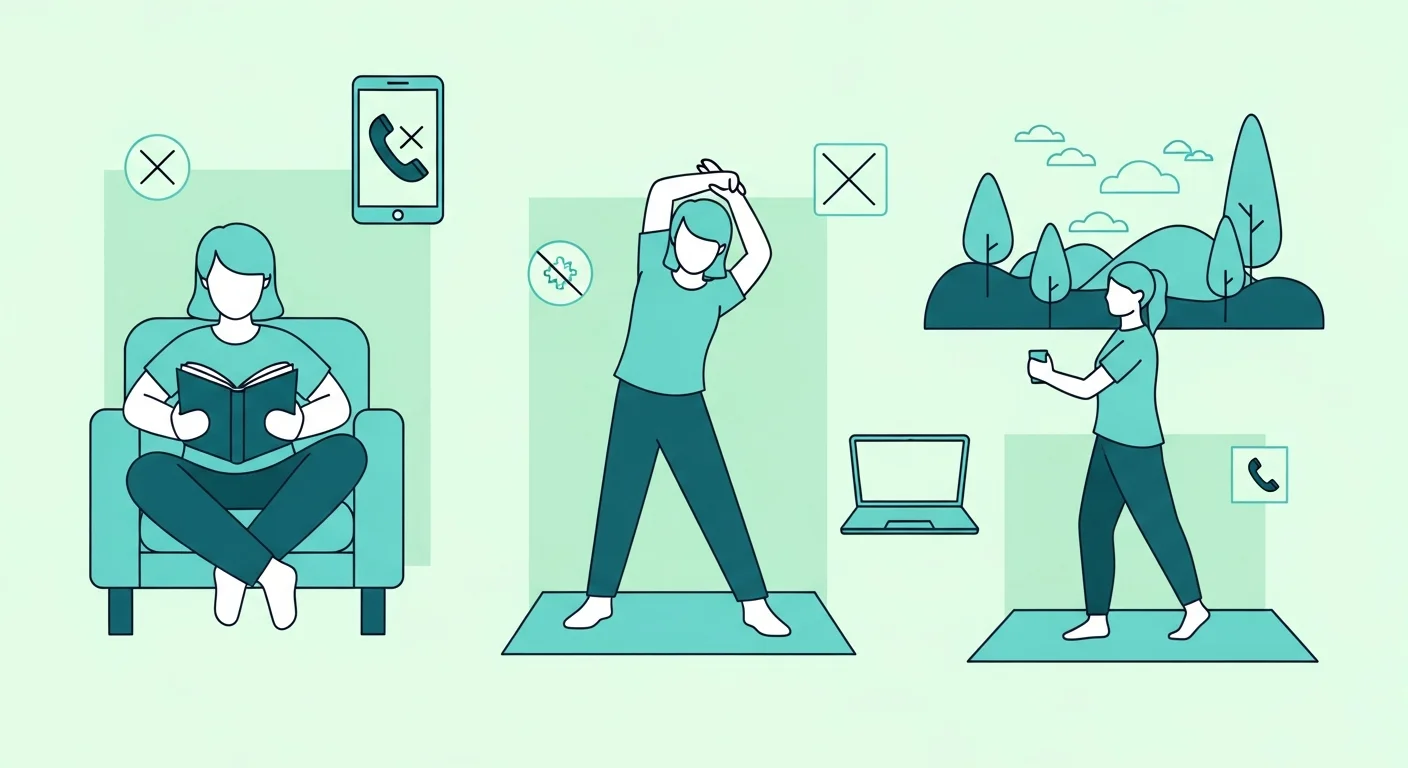
Screen time reduction also requires replacing phone habits with equally accessible alternatives. The void your phone fills needs something else to occupy it, or you'll inevitably slide back into old patterns when boredom or discomfort strikes. Keep a physical book in every room where you typically grab your phone. Download audiobooks or podcasts you can listen to during activities where you'd normally scroll. Rediscover hobbies that require your hands and attention, making phone use physically impossible: cooking, drawing, playing an instrument, gardening, working out. Practical self-help guide for mobile habit recovery emphasizes that you're not just stopping a behavior; you're building new neural pathways around better alternatives, which requires consistent repetition until the new patterns become as automatic as the old ones were.
How Can You Implement DIY Strategies to Break Screen Overuse?
Daily strategies for quitting Phone Overuse at home involve establishing specific routines and rituals that structure your day around reduced phone use rather than hoping willpower will magically appear when temptation strikes. DIY methods to cut down screen time dependency include creating phone-free zones in your living space: the bedroom becomes a screen-free sanctuary, the dining table a no-phone area, your first hour after waking and last hour before bed completely device-free. Digital detox strategies work best when implemented gradually rather than going cold turkey, which typically leads to an inevitable relapse that reinforces the belief that change is impossible. Start with one phone-free hour daily, then expand to two, then add phone-free meals, progressively building your tolerance for device separation without triggering the panic that makes you give up entirely.
Self-help phone detox also means actively managing notifications, which are specifically engineered to capture your attention and trigger compulsive checking. Turn off all non-essential notifications immediately. You don't need to know the instant someone likes your photo or posts in a group chat. Check these things intentionally on your schedule rather than reactively whenever your phone demands attention. Remove social media apps from your home screen or delete them entirely, forcing yourself to access them through a browser where the extra friction creates a moment of conscious choice. Use app timers and website blockers aggressively, setting limits that feel slightly uncomfortable because comfortable limits don't actually change behavior. How to quit Phone Overuse without therapy requires creating an environment where the path of least resistance leads toward reduced use rather than endless scrolling.
Which At-Home Techniques Curb Compulsive Mobile Habits?
Break phone habits through awareness building that makes unconscious patterns visible and therefore changeable. Start tracking every time you reach for your phone, noting what triggered the impulse: boredom, anxiety, habit, procrastination, loneliness? Understanding your specific triggers allows you to develop targeted responses. When you identify that you grab your phone whenever you feel anxious, you can substitute a two-minute breathing exercise. When boredom triggers scrolling, you can reach for that book you strategically placed nearby. Proven personal tips beating compulsive scrolling emphasize that compulsions weaken when you consistently respond differently to the triggers that activate them, essentially starving the neural pathways that drive automatic phone reaching while strengthening alternative responses.
Nomophobia self-cure addresses the anxiety component of Phone Overuse by gradually increasing your tolerance for device separation. Practice leaving your phone in another room for progressively longer periods, starting with just fifteen minutes if that's all you can handle. Notice the anxiety, acknowledge it without judgment, and observe how it peaks and then naturally subsides without you needing to act on it. This desensitization process teaches your nervous system that phone separation isn't actually dangerous, reducing the panic response that makes addiction so difficult to break. At-home techniques also include using your phone's grayscale mode, which removes the colorful visual stimulation that makes apps more addictive, or switching to a minimalist launcher that strips away the engaging interface designed to keep you scrolling.
What Simple Tips Help Regain Control From Phone Reliance?
Step-by-step self-help plan for digital detox should begin with a baseline assessment: check your current screen time stats without judgment, just observation. Where are your hours actually going? Which apps consume most of your time? When during the day are you most vulnerable to compulsive use? This data informs your strategy. Next, set one specific, measurable goal: reduce daily screen time by one hour, eliminate phone use after 9 PM, or go phone-free during all meals. One goal at a time. Attempting to overhaul your entire digital life simultaneously overwhelms your capacity for change and leads to abandoning the effort entirely when you inevitably slip up. Small, sustainable changes compound into significant transformation over time, while dramatic all-or-nothing approaches typically fail spectacularly.
Simple tips also include announcing your intentions to others, which creates social accountability that strengthens commitment. Tell your partner, family, or friends about your plan to reduce phone use and ask them to call you out when they notice you slipping. Make it a shared challenge if possible, turning screen time reduction into a friendly competition or mutual support system. Use your phone's lockscreen as a reminder by setting a meaningful wallpaper or message that confronts you with your goal every time you pick up your device. The combination of environmental design, social accountability, gradual progression, and conscious awareness creates a comprehensive self-help approach that addresses Phone Overuse from multiple angles simultaneously.
How Do Personal Methods Combat Digital Addiction Daily?
Personal methods that combat digital addiction daily work through consistent application of micro-habits that interrupt the automatic nature of phone use. Every morning, consciously decide your first activity won't involve your phone, even if it's just making coffee and staring out the window for five minutes. Throughout the day, implement the "one-minute rule": whenever you feel the urge to check your phone, wait one minute first. Often the urge passes, revealing that most phone checking is habitual rather than necessary. When you do use your phone, set a timer for your intended duration and actually stop when it goes off, building trust with yourself that you can moderate use rather than spiraling into hour-long scrolling sessions.
The key to successful mobile addiction self-help is viewing setbacks as data rather than failure. You will check your phone more than intended sometimes. You will break your own rules. Everyone does. The difference between those who eventually quit Phone Overuse and those who remain stuck is what they do after slipping up. Do you use it as evidence that change is hopeless and abandon your efforts? Or do you examine what triggered the relapse, adjust your strategy accordingly, and try again immediately? Recovery isn't linear, and expecting perfection sets you up for the guilt and shame that often drive people back to their phones for comfort. Progress, not perfection. Consistency, not intensity. Small daily improvements that compound into major life changes over weeks and months.
Quitting Phone Overuse through self-help strategies is absolutely possible without professional intervention, though there's no shame in seeking help if you've tried everything and still struggle. The Smartphone Dependency tips outlined here work for the majority of people when applied consistently with genuine commitment to change. Your Phone Overuse didn't develop overnight, and breaking it won't happen instantly either. But every moment you choose presence over scrolling, every notification you ignore, every phone-free meal you enjoy, you're reclaiming pieces of your life and attention that addiction stole. The phone will always be there when you actually need it. The question is whether you're finally ready to need it less.
Start today with one small change. Turn off three notifications right now. That's it. You've already begun.