Three o'clock hits, and there it is again. That dull throbbing behind your eyes that gradually builds into a full-blown headache pounding through your skull. You've been staring at your laptop since morning, barely breaking for lunch, and now your head feels like it's trapped in a slowly tightening vice. Sound brutally familiar? You're definitely not alone, and more importantly, you're not imagining it. The connection between screen time and headaches is devastatingly real, affecting millions of people who've essentially moved their entire lives onto glowing rectangles without realizing the physical toll it extracts.
I used to power through these digital headaches with ibuprofen and sheer stubbornness, assuming they were just part of modern work life. Then I started tracking when they occurred and discovered a pattern so obvious I felt ridiculous for missing it: every single headache correlated directly with extended screen sessions. Understanding why screen time causes headaches and implementing targeted prevention strategies literally changed my daily quality of life, and honestly, once you grasp the mechanisms behind digital eye fatigue and headache triggers, the solutions become surprisingly straightforward. You don't need to abandon technology or resign yourself to chronic pain. You just need to understand what's actually happening to your body and make some smart adjustments.
What Causes Headaches from Extended Screen Exposure?
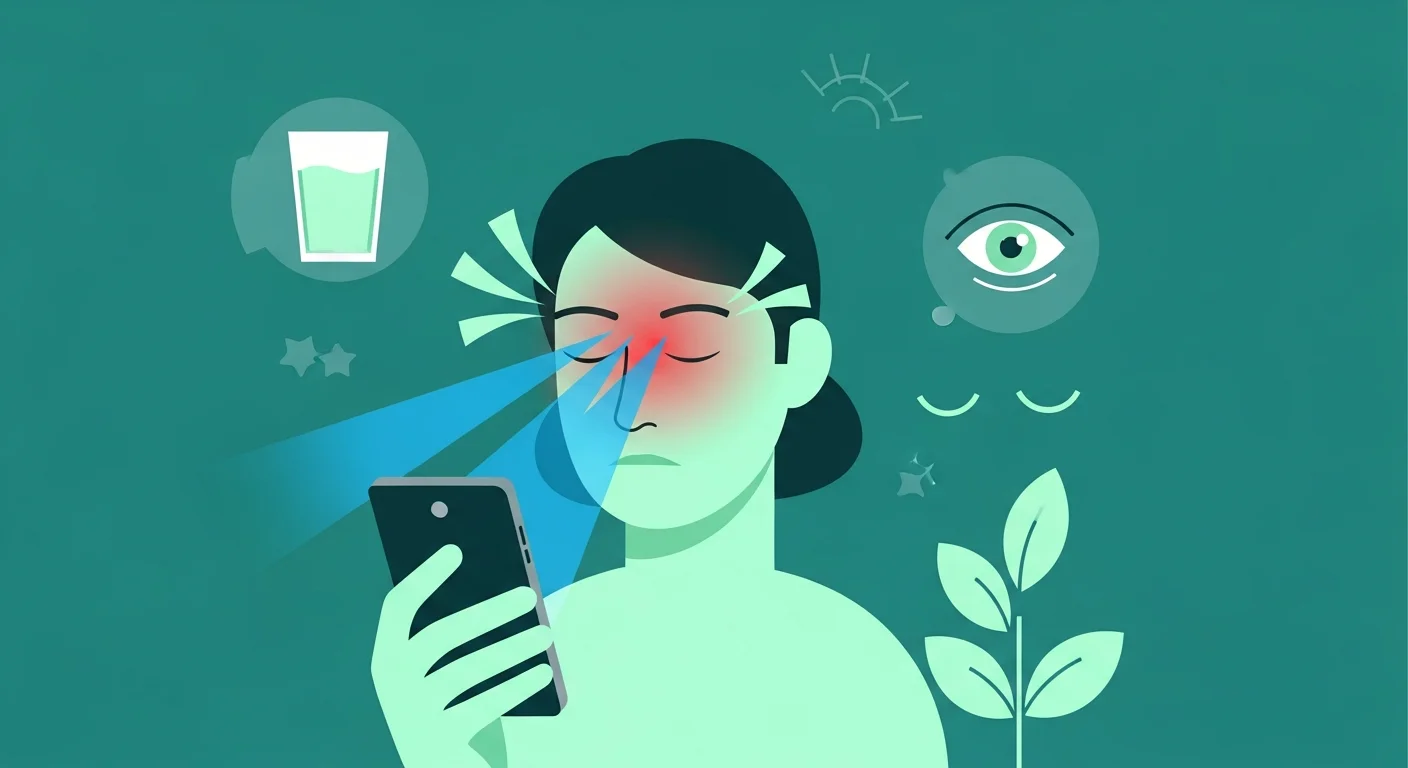
The causes of headaches from too much screen viewing involve multiple overlapping factors that create a perfect storm of discomfort in your head, and understanding each component helps you address the problem effectively. First and most significantly, eye strain from screens forces your eye muscles to work overtime in ways they weren't designed to handle. When you focus on a screen, especially at close range, your ciliary muscles constantly contract to maintain focus while your eye alignment muscles work to keep both eyes converged on the same point. This sustained muscular effort without adequate rest creates tension that radiates from your eyes into your forehead, temples, and eventually your entire head. Think of it like holding a light weight with your arm extended. Easy for a minute, increasingly painful after an hour.
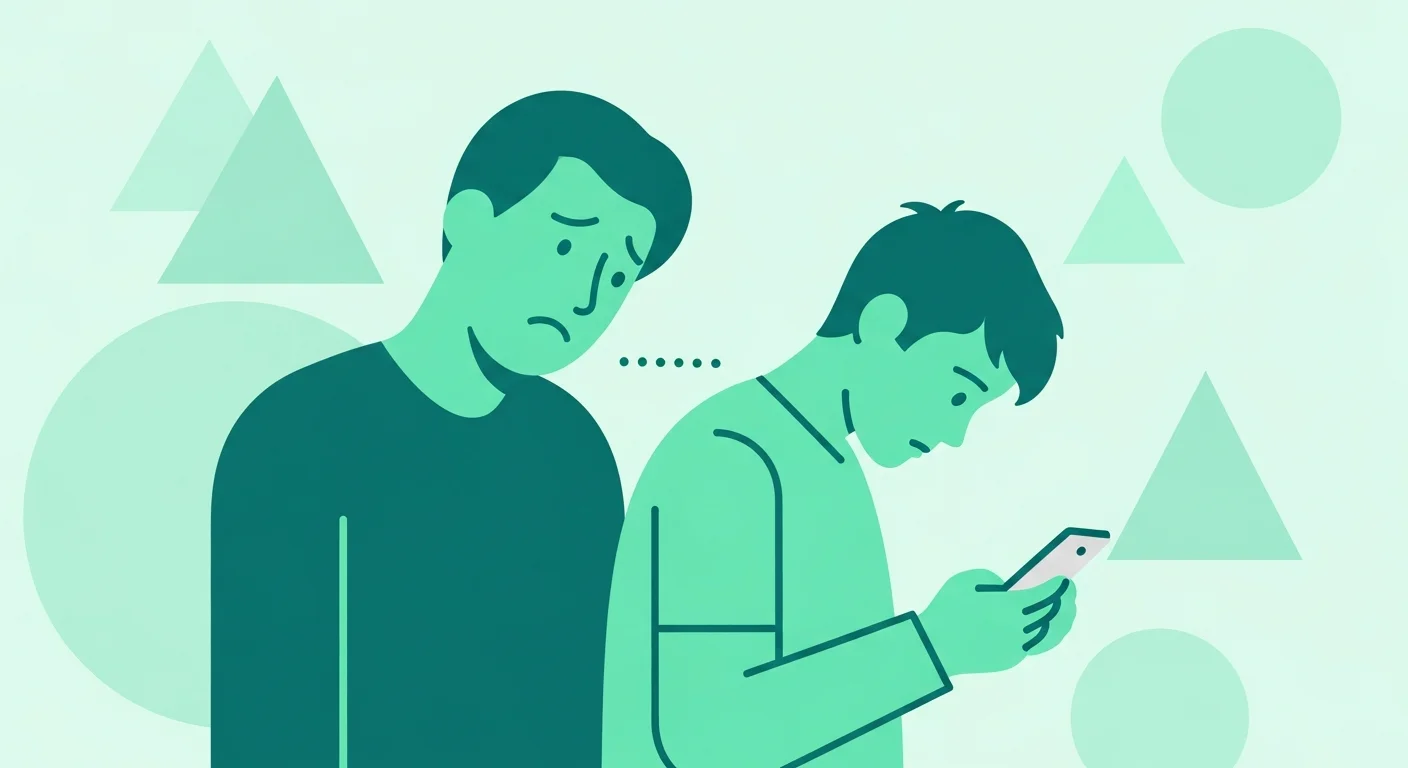
Additionally, reduced blinking during screen use creates ocular surface dryness that compounds the strain. Normal blink rates sit around 15 to 20 times per minute, but screen users drop to just 5 to 7 blinks per minute because we're so focused on the content. This insufficient lubrication causes irritation and inflammation that contributes directly to headache development. Poor posture during screen sessions adds another layer of problems, creating neck and shoulder tension that triggers tension-type headaches through connected muscle groups. When you crane your neck forward to peer at screens or hunch your shoulders unconsciously, you're activating trigger points in muscles that refer pain directly into your head.
The relationship between screen exposure and vision syndrome encompasses all these factors plus additional contributors like glare, improper lighting, incorrect viewing distances, and screen brightness mismatches with ambient lighting. Your visual system essentially gets overwhelmed trying to process information under suboptimal conditions for hours at a stretch, and headaches represent your brain's way of screaming for relief. Migraines triggered by screens operate through slightly different mechanisms involving specific neurological sensitivities, but the end result is the same: debilitating head pain that disrupts your ability to function normally.
In What Ways Does Device Blue Light Provoke Head Discomfort?
Blue light from screens contributes to headaches through both direct and indirect pathways that many people don't fully appreciate. The high-energy visible light spectrum, particularly wavelengths between 400 and 490 nanometers, scatters more easily than other colors, which means your eyes have to work harder to focus it clearly. This creates additional strain on those ciliary muscles we talked about earlier, compounding the fatigue from sustained near focus. Blue light also penetrates deeper into the eye, reaching the retina where it can trigger photoreceptor responses that some individuals find inherently uncomfortable or even painful, particularly those prone to light sensitivity or photophobia.
Blue Light Exposure and Headache Risk Factors:
| Screen Type | Blue Light Intensity | Headache Risk Level | Recommended Limits |
|---|---|---|---|
| Smartphone | Highest (close proximity) | Very High | 1-2 hour sessions max |
| Laptop/Desktop | High | High | 50-minute work intervals |
| Tablet | Moderate-High | Moderate-High | 1-hour sessions max |
| E-reader (e-ink) | Minimal | Low | Extended use okay |
| Television | Lower (greater distance) | Moderate | 2-hour sessions max |
Beyond direct optical effects, blue light filters to prevent device headaches address the circadian disruption dimension that indirectly contributes to headache frequency. Blue light exposure, especially in evening hours, suppresses melatonin production and disrupts sleep quality. Poor sleep then lowers your headache threshold the following day, making you more susceptible to developing screen-induced head pain. It's a vicious cycle where evening screen sessions set you up for next-day headaches that then drive you to take more breaks or use more screens for entertainment, perpetuating the problem. The indirect pathway through sleep disruption actually may be more significant than the direct optical effects for many people, though both mechanisms operate simultaneously.
Which Fast Remedies Ease Migraines Triggered by Screens?
When you're in the grip of a screen-induced headache, quick tips for reducing digital headache triggers become immediately relevant, and thankfully several interventions provide rapid relief if you catch the headache early. The 20-20-20 rule delivers surprisingly effective results: every 20 minutes, look at something 20 feet away for 20 seconds. This simple practice allows your eye muscles to relax from their sustained near-focus position, preventing the tension buildup that escalates into headaches. I set a recurring timer on my phone that forces these breaks even when I'm deep in concentrated work, and the difference in end-of-day headache frequency has been remarkable.
Easing migraines with screen break techniques extends beyond just looking away. Physical movement during breaks matters enormously because it addresses the postural component of screen headaches. Stand up, roll your shoulders backward several times, tilt your head gently side to side, perform some neck rotations. These movements release accumulated tension in muscles that refer pain into your head. Cold compresses applied to your forehead and temples provide immediate relief by constricting blood vessels and numbing pain receptors. Keep a gel eye mask in your freezer specifically for this purpose. Ten minutes with cold compress while resting in a dark room can abort a developing headache before it becomes debilitating.
Hydration plays a surprisingly significant role in headache relief that most people overlook. Screen focus often makes us forget to drink water for hours, and even mild dehydration lowers headache thresholds substantially. Keep water within arm's reach and force yourself to take several sips every time you perform your 20-20-20 eye break. Dimming screen brightness to match ambient lighting reduces the contrast shock that strains your eyes. Most people keep screens way too bright, creating a glowing beacon that forces your pupils to constantly adjust. Match your screen brightness to a white piece of paper held next to it under current lighting conditions for optimal comfort.
Does Gadget-Induced Eye Fatigue Lead to Ongoing Headaches?
Absolutely, and the long-term effects of eye strain on head pain represent a progression that many people don't recognize until they're dealing with chronic daily headaches. Digital eye fatigue that goes unaddressed doesn't just cause temporary discomfort that disappears overnight. It creates a cumulative strain pattern where your visual system never fully recovers between screen sessions, gradually lowering your tolerance and increasing headache frequency and severity over time. What started as occasional afternoon headaches can evolve into daily morning-to-night head pain that significantly impacts quality of life and work productivity.
The mechanism behind this progression involves neurological sensitization where repeated pain signals from eye strain gradually lower the threshold for headache activation throughout your trigeminovascular system. Essentially, your nervous system becomes hypersensitive to triggers that previously wouldn't have caused problems, creating a state where even minimal screen exposure provokes disproportionate headache responses. This explains why some people reach a point where just minutes of screen time trigger intense head pain, even though they previously tolerated hours without issue. The good news is that this sensitization can reverse with consistent protective practices, but it requires deliberate intervention rather than hoping it resolves spontaneously.
What Strategies Stop Headaches from Prolonged PC Sessions?
Preventing computer-induced headaches requires a multi-pronged approach that addresses all the contributing factors simultaneously, and daily habits to avoid these headaches become non-negotiable once you've experienced their impact on your life. Screen positioning matters enormously yet gets overlooked constantly. Your monitor should sit at arm's length distance with the top of the screen at or slightly below eye level, forcing you to look slightly downward rather than straight ahead or upward. This position minimizes both eye strain and neck tension. Lighting in your workspace should eliminate glare on your screen while providing adequate ambient illumination. Harsh overhead lights directly behind you create reflections, while working in darkness creates excessive contrast. Aim for soft, indirect lighting from the side.
Blue light filtering glasses provide measurable benefit for many users, though individual responses vary. The amber-tinted lenses filter the problematic wavelengths while allowing other light through, reducing eye strain without significantly distorting color perception. Software solutions like f.lux or built-in night mode features on devices adjust screen color temperature throughout the day, reducing blue light emission during evening hours. Screen brightness auto-adjustment features help maintain appropriate levels as ambient lighting changes throughout your day. Text size matters more than most people realize because squinting to read small fonts multiplies eye strain exponentially. Increase font size until you can read comfortably without leaning forward or narrowing your eyes.
Protecting against tech-related tension headaches also requires attention to work patterns and rest cycles. The Pomodoro Technique, working in focused 25-minute intervals with 5-minute breaks, aligns well with optimal screen exposure patterns. During breaks, physically move away from your workstation rather than just switching to your phone, which continues the screen exposure. Adequate sleep, regular exercise, stress management, and proper hydration all raise your headache threshold, making you more resilient to the screen exposure that's unavoidable in modern life. These foundational health practices aren't directly related to screens but significantly impact how your body tolerates digital demands.
Living Pain-Free in a Digital World
Understanding why screen time causes headaches empowers you to take control rather than accepting chronic head pain as an inevitable consequence of modern technology use. The mechanisms are well understood, the solutions are accessible and practical, and the relief is genuinely achievable for most people willing to implement consistent protective strategies. Your screens aren't going anywhere, but your headaches don't have to be permanent companions either. Small adjustments in how you interact with technology compound into significant improvements in daily comfort and long-term neurological health.
What's one screen habit you could modify today to reduce your headache frequency? Start with the easiest change, stay consistent, and notice how much better your head feels when you respect your visual system's limitations.