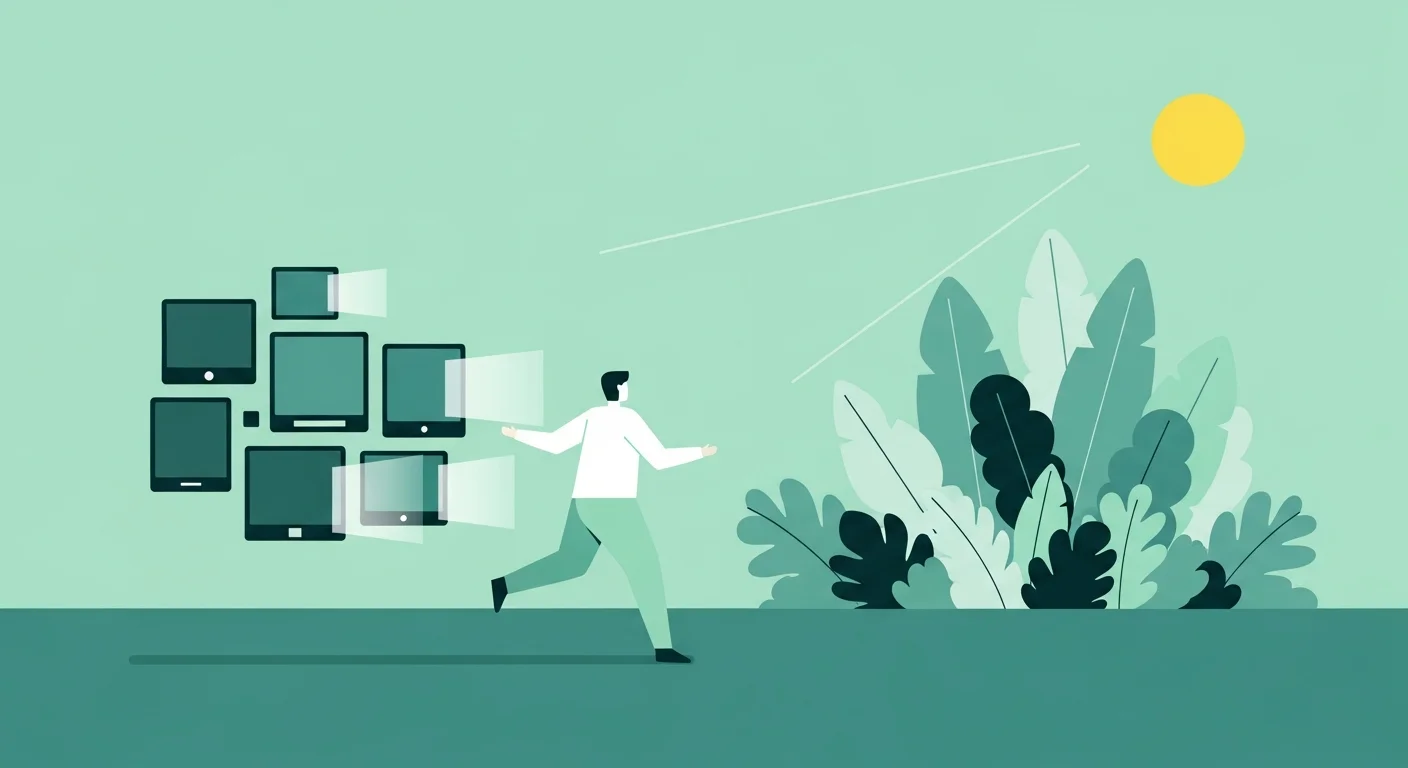
Look, I get it. You hand your kid a tablet to keep them quiet during dinner, and suddenly three hours have vanished into a YouTube rabbit hole. We've all been there. But here's the uncomfortable truth nobody wants to talk about at parent-teacher conferences: those glowing screens might be doing more damage to your child's grades than you think.
I've spent years watching this digital takeover unfold, and honestly, the research keeps piling up like unread notifications. Screen time isn't just some harmless babysitter anymore. It's reshaping how our kids think, learn, and perform in school. And whether you're dealing with a kindergartener or a high schooler, understanding this connection between digital media effects and academic achievement matters more than ever.
Does Excessive Screen Use Harm Students' Grades and Learning Ability?
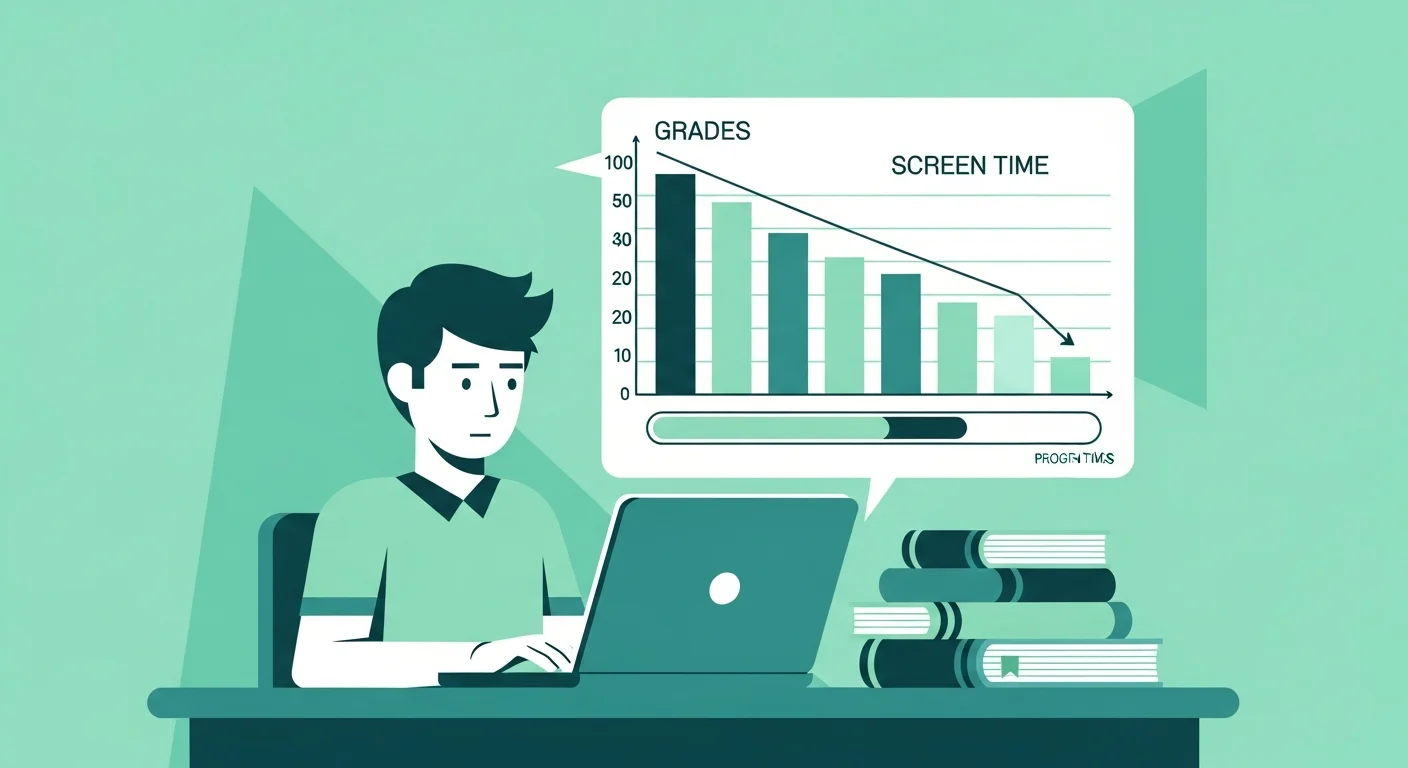
Here's where things get interesting. Multiple studies have drawn a pretty clear line between excessive screen exposure and declining grades. Students who spend more than two hours daily on recreational screen time show measurably lower test scores and reduced cognitive performance. It's not just about the time lost either. The constant digital stimulation actually rewires how young brains process information, making sustained focus feel like climbing Mount Everest in flip-flops.
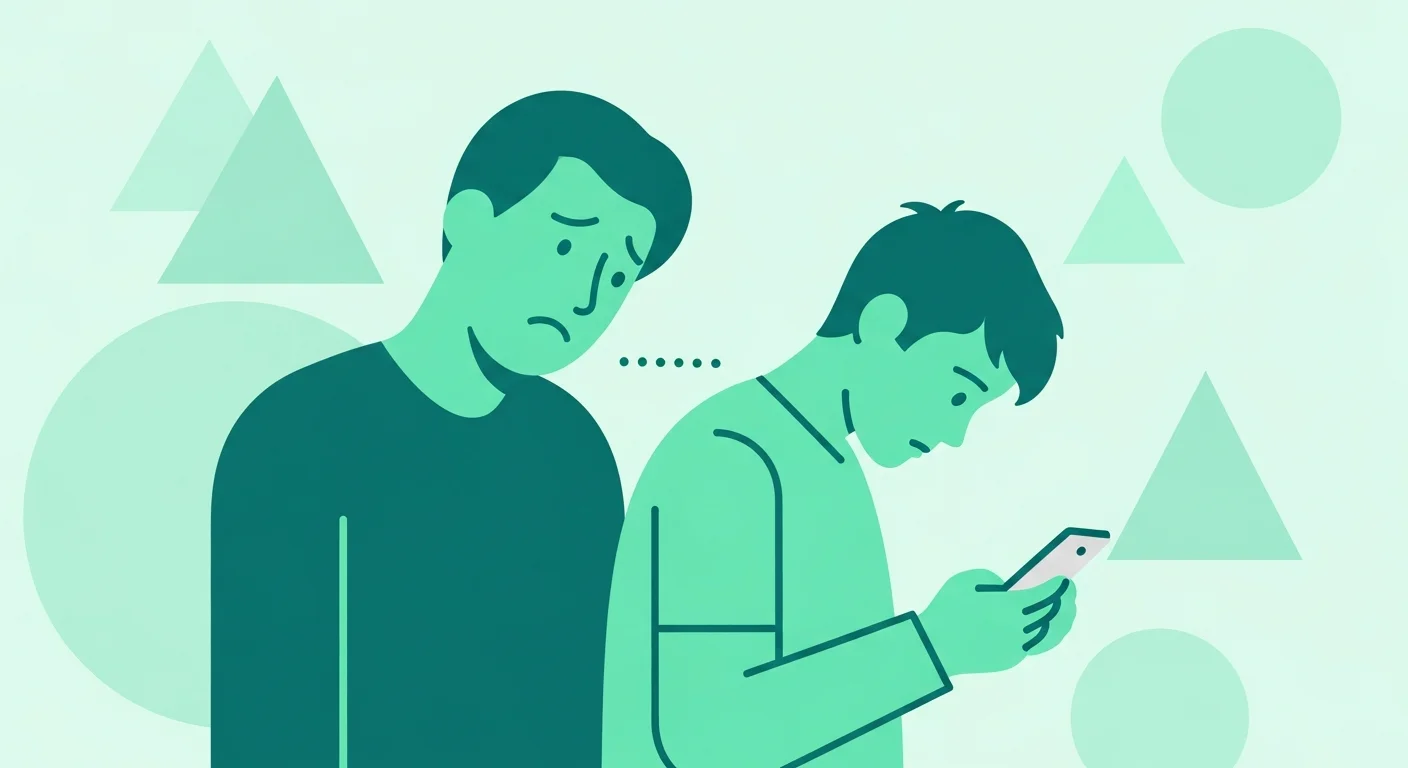
Think about it this way. Every notification, every TikTok scroll, every Instagram refresh creates a tiny interruption in the learning process. These micro-distractions fragment attention span in school settings, making it incredibly difficult for students to engage with complex material that requires deep thinking. The brain essentially becomes trained for quick hits of dopamine rather than the sustained concentration that actual learning demands. You know that feeling when you can't remember what you just read because you were thinking about checking your phone? That's happening to students constantly, except they're trying to absorb algebra or world history while their brains scream for digital stimulation.
The correlation between screen time and student performance isn't subtle either. Research shows students in the highest quartile of screen usage perform academically like they're almost a full grade level behind their peers who maintain more moderate habits. We're talking about tangible impacts on grades decline, comprehension, and long-term educational outcomes that follow kids into college and beyond.
What Is the Ideal Daily Screen Time Limit for School-Aged Children?
The American Academy of Pediatrics recommends no more than one to two hours of recreational screen time for kids aged six and older. But let's be real about how much screen time is too much for kids learning. That guideline feels almost quaint in our current digital landscape where remote learning, homework platforms, and research all happen online.
Here's a more practical framework that I've seen work in real households:
Recommended Daily Screen Time Limits by Age:
| Age Group | Recreational Screen Time | Educational Screen Time | Total Maximum |
|---|---|---|---|
| 6-10 years | 1 hour | 1-2 hours | 3 hours |
| 11-14 years | 1.5 hours | 2-3 hours | 4.5 hours |
| 15-18 years | 2 hours | 3-4 hours | 6 hours |
Notice how these numbers separate recreational from educational use? That distinction matters enormously. Educational apps and online tools, when used purposefully, operate completely differently in the brain than passive scrolling or gaming. The key word there is purposeful. Watching Khan Academy videos with focused attention creates different neural pathways than mindlessly consuming content.
In What Ways Does Screen Exposure Influence Focus and Memory in Students?
The effects of screen time on attention span and memory function like slow poison. You don't notice it immediately, but over time, the damage accumulates. Blue light impact on student sleep creates a vicious cycle that most parents completely miss. That iPad session right before bed suppresses melatonin production, leading to poor sleep quality, which then decimates next-day focus and memory consolidation. Students essentially show up to school running on fumes, trying to learn new material with brains that haven't properly processed yesterday's information.
Social media's role in academic distraction deserves its own conversation. The constant fear of missing out, the dopamine-driven feedback loops, the curated comparison culture creates persistent background anxiety that makes genuine concentration nearly impossible. I've watched students check their phones over forty times during a single homework session without even realizing it. Each interruption doesn't just steal seconds, it fragments the entire cognitive process, forcing the brain to constantly reset rather than building momentum in understanding complex concepts.
Memory formation requires repetition and deep processing. When students skim content on screens, jumping from link to link, that depth never develops. Information stays surface-level, never making it into long-term storage. This explains why students can spend hours "studying" online yet retain almost nothing when test day arrives.
Can Educational Apps and Online Tools Actually Help?
Now here's where the conversation gets nuanced. Not all screen time deserves the same bad reputation. Quality educational platforms designed with learning science principles can genuinely boost academic performance despite increased overall screen exposure. Adaptive learning programs that adjust difficulty based on student performance, interactive simulations that make abstract concepts tangible, collaborative platforms that facilitate peer learningâ€â€these tools offer legitimate educational value that traditional methods sometimes can't match.
The difference lies entirely in intentionality and design. Duolingo teaches languages through gamification that actually works because it's built on spaced repetition algorithms proven to enhance retention. Khan Academy provides personalized learning paths that meet students exactly where they are. These aren't just digital versions of textbooks, they're fundamentally different learning experiences that leverage technology's strengths rather than its weaknesses.
Butâ€â€and this is crucialâ€â€even beneficial educational screen time needs boundaries. The same blue light issues, the same potential for distraction, the same displacement of physical activity all remain relevant regardless of content quality. Balance matters more than anything else in determining learning outcomes.
How Might Reducing Screen Hours Improve Academic Results?
Reducing screen use to improve academic results isn't just about subtraction, it's about replacement. When you cut screen time, what fills that space determines everything. Students who replace digital consumption with reading, outdoor play, face-to-face social interaction, adequate sleep, and focused homework time show dramatic improvements in test scores and overall school achievement within weeks, not months.
The improvements happen across multiple dimensions simultaneously. Better sleep from reduced evening screen exposure means sharper focus during class. More time spent reading develops vocabulary and comprehension skills that transfer across all subjects. Physical activity boosts brain-derived neurotrophic factor, essentially fertilizer for learning and memory. Even boredom, that uncomfortable state we frantically avoid with screens, turns out to be crucial for creativity and problem-solving development.
I've seen families implement "digital sunsets" where all screens go off two hours before bedtime and grades improve by a full letter within one semester. Not because the kids suddenly got smarter, but because their brains finally had the conditions necessary to actually learn and retain information effectively.
Finding Balance in a Digital World
The relationship between screen time and student performance isn't simple or absolute. Technology isn't the enemy, and Luddite solutions won't work in our interconnected educational landscape. What matters is conscious, intentional use that prioritizes actual learning over passive consumption. Set boundaries that respect both the educational potential and the neurological limitations screens present. Your kid's future academic success depends not on eliminating screens entirely, but on teaching them to use technology as a tool rather than letting it use them.
What changes will you make today to support your student's academic achievement? Start small, stay consistent, and watch those grades climb.