Recovery from Phone Overuse doesn't require monk-like discipline, a month in the wilderness without connectivity, or downloading seventeen different apps that ironically keep you on your phone while claiming to help you use it less. What it requires is a handful of practical, implementable strategies that actually work in real life where you still need your phone for legitimate purposes but desperately want to stop reaching for it compulsively every three minutes like some kind of notification-obsessed automaton. The Phone Overuse recovery tips that make a genuine difference aren't complicated or revolutionary; they're simple adjustments to how you structure your environment, your routines, and your relationship with the device that's been systematically destroying your attention span and quality of life. I've tried basically everything over the years, from dramatic cold turkey approaches that lasted approximately 36 hours to elaborate systems that required more mental energy to maintain than they were worth, and what I've learned is that sustainable recovery comes from small, consistent changes that compound over time rather than heroic efforts that burn out immediately.
What Actionable Steps Aid Smartphone Dependency Recovery?
Actionable daily tips for Smartphone Dependency recovery start with making your phone less immediately rewarding and more deliberately annoying to use. Turn off all non-essential notifications right now, not eventually, not after you finish this article, literally pause reading and do it this second. Every notification is a designed interruption pulling you back into compulsive checking, and you don't need to know instantly that someone liked your photo or commented on a post from three days ago. Smartphone recovery strategies also include removing social media apps from your home screen or deleting them entirely and accessing them only through a browser, which introduces just enough friction to disrupt the automatic reach-and-scroll pattern. Change your phone to grayscale mode in settings, removing the colorful visual stimulation that makes apps more compelling and addictive. These aren't theoretical suggestions; they're concrete actions you can complete in under five minutes that will measurably reduce your compulsive phone use starting immediately.
Screen Dependency practical advice requires creating physical barriers between you and your device during vulnerable times. Charge your phone in another room overnight so you can't scroll before sleep or immediately upon waking, bookending your day with presence instead of distraction. Buy an actual alarm clock if you've been using your phone as an excuse for why it needs to be within arm's reach all night. During work or study sessions, put your phone in a drawer, a different room, or give it to someone else to hold, making retrieval inconvenient enough that you'll think twice before interrupting your focus. The goal isn't making phone use impossible but making it deliberate rather than automatic, creating space between impulse and action where conscious choice becomes possible.
How Can Everyday Strategies Support Breaking Screen Overuse Cycles?
Easy practical steps to overcome screen overuse involve replacing phone habits with equally accessible alternatives that address the underlying needs your device has been fulfilling. Mobile detox tips recognize that you reach for your phone when bored, anxious, avoiding something difficult, or seeking connection and stimulation. Keep a physical book in every room where you typically grab your phone so there's always an alternative within reach. Download a few offline games or podcasts for moments when you genuinely need distraction but don't want to fall down social media rabbit holes. Practice the "one minute rule" where whenever you feel the urge to check your phone, you wait sixty seconds first, often watching the urge dissipate entirely and revealing how much of your phone use is pure habit rather than actual need.
Beginner-friendly phone detox recovery strategies also include establishing specific phone-free times and zones that create structure around your usage. Make the first hour after waking phone-free, giving yourself time to ease into the day without immediately fragmenting your attention. Keep phones out of the bedroom, bathroom, and dining areas, creating sacred spaces where human connection and personal care take priority over digital distraction. Designate specific times to check social media, email, or news rather than responding reactively whenever notifications appear, training yourself that not everything requires immediate attention and the world will continue functioning if you're unreachable for an hour.
Which Hands-On Methods Accelerate Mobile Habit Improvement?
Hands-on exercises for phone habit reduction success include tracking your usage with brutal honesty as a first step toward change. Use your phone's built-in screen time tracking or download an app that monitors how many times you unlock your device daily, which apps consume most of your time, and when you're most vulnerable to compulsive use. The data often shocks people into recognizing the gap between how they think they use their phone versus reality, providing motivation for change that vague concerns about "using it too much" never generate. Digital recovery techniques also leverage accountability by sharing your recovery goals with friends or family who can provide support, call you out when they notice you slipping, and celebrate progress as you hit milestones like reducing daily screen time by an hour or going a full day without checking social media.
Real-world tips rebuilding life after mobile dependency emphasize filling the void your phone occupied with activities that provide genuine satisfaction and meaning. Rediscover hobbies that require your hands and attention, making phone use physically impossible: cooking, drawing, playing an instrument, gardening, working out without your phone as entertainment. Schedule face-to-face social activities that naturally exclude phones, rebuilding the interpersonal skills and comfort with human interaction that compulsive phone use systematically erodes. The recovery isn't just about reducing screen time; it's about reclaiming the parts of yourself and your life that addiction stole, remembering what it feels like to be fully present in your own existence without constantly mediating experience through a device.
What Daily Practices Foster Lasting Phone Overuse Relief?
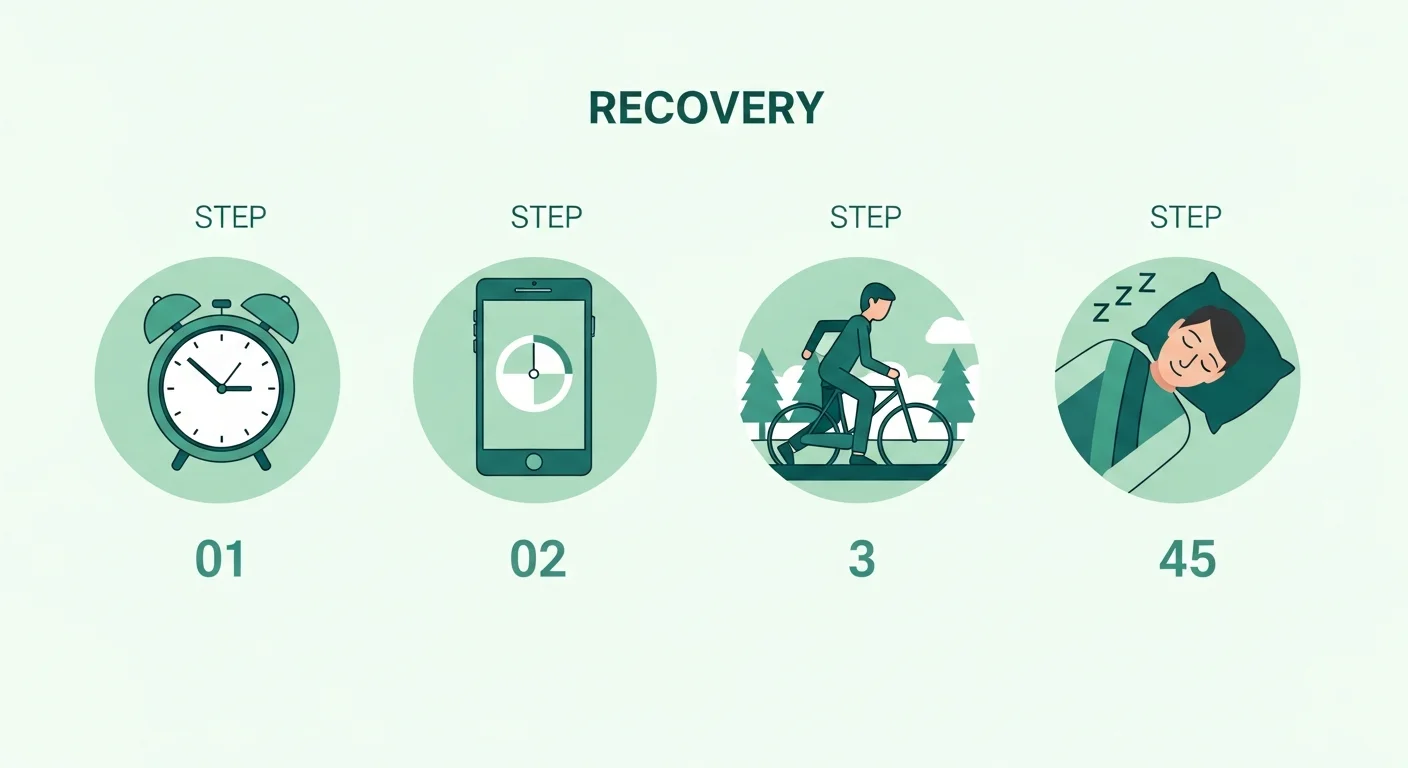
Step-by-step recovery plan for digital addiction relief requires building sustainable routines that don't depend on constant willpower or motivation, because both are finite resources that deplete quickly. Start each day with a non-phone morning routine: make coffee, exercise, journal, meditate, shower, eat breakfast, and only then check your device after establishing momentum in your day without digital interference. Throughout the day, practice putting your phone down deliberately during any interaction with another human, making eye contact, and being fully present even when it feels uncomfortable or boring. Before bed, establish a wind-down routine that begins with docking your phone in its charging station at least an hour before sleep, filling that time with reading, conversation, or simply sitting with your thoughts instead of scrolling until exhaustion forces unconsciousness.
Proven practical advice beating compulsive scrolling involves regularly auditing your digital environment and ruthlessly eliminating anything that triggers compulsive use without adding genuine value to your life. Unfollow accounts that make you feel inadequate, angry, or compulsively engaged. Delete apps you check habitually but derive no actual benefit from. Use website blockers aggressively during work hours or whenever you need to focus. The key is making these adjustments permanent parts of your digital ecosystem rather than temporary restrictions you endure briefly before reverting to old patterns.
How Do Simple Techniques Rebuild Life Beyond Digital Reliance?
Break Phone Overuse methods that create lasting change recognize that recovery isn't about returning to some pre-smartphone existence but about developing a healthier relationship with technology where you control your device rather than being controlled by it. Nomophobia recovery tips address the anxiety component by gradually increasing your tolerance for device separation, starting with just fifteen minutes if that's all you can handle, then slowly extending the duration as your nervous system learns that phone separation isn't dangerous. Practice leaving your phone at home during short errands, tolerating the discomfort and noticing how it peaks then subsides without you needing to act on it.
Phone habit recovery guide strategies emphasize that setbacks are inevitable and don't erase progress. You will check your phone more than intended sometimes. You will break your own rules. Everyone does. The difference between those who successfully recover and those who remain stuck is what happens after slipping up. Do you use it as evidence that change is hopeless and abandon your recovery efforts? Or do you examine what triggered the relapse, adjust your strategy accordingly, and immediately return to your recovery practices without drowning in guilt or shame? Progress isn't linear, and expecting perfection sets you up for the kind of all-or-nothing thinking that keeps people trapped in addiction cycles.
Practical tips for Phone Overuse recovery work because they're grounded in reality rather than idealism, acknowledging that you live in a world where phones are necessary tools while providing concrete strategies for preventing those tools from consuming your entire existence. The smartphone recovery strategies outlined here aren't about achieving some impossible ideal of perfect digital minimalism but about reclaiming enough attention, presence, and autonomy to actually live the life you keep postponing while you scroll. Recovery is possible. It requires commitment, consistency, and the willingness to feel temporarily uncomfortable as you rebuild neural pathways around healthier patterns. But every moment you choose presence over distraction, every notification you ignore, every phone-free hour you reclaim, you're proving that you're stronger than your addiction and capable of change that once felt impossible.
Start with one action from this article today. Just one. Turn off three notifications right now. Your recovery begins with a single deliberate choice to prioritize your actual life over your digital one.