Look, I'll be honest with you: right now, as I'm writing this, my phone is sitting face-down on my desk, and I've already glanced at it twice. Not because anyone texted me. Not because I'm expecting a call. Just because... it's there. And if you're nodding along, feeling a little called out, you're not alone. Recent studies on Smartphone Dependency paint a picture that's equal parts fascinating and terrifying, our devices aren't just stealing our time; they're fundamentally changing how our brains work.
The Numbers Don't Lie (And They're Pretty Alarming)
Here's where things get real. The latest studies on Smartphone Dependency in 2025 show that we're not dealing with a minor inconvenience, we're staring down a full-blown behavioral crisis. Research indicates that Smartphone Dependency affects approximately 23% of teenagers globally, with some regions reporting rates as high as 40%. Yes, you read that right. Nearly half of adolescents in certain areas show problematic smartphone use patterns that meet clinical criteria for addiction.
But what does "Smartphone Dependency" actually mean? According to contemporary research, it's not just about how many hours you spend scrolling (though that matters). Scientists look for specific behavioral patterns: constant checking, anxiety when separated from your device, neglecting real-world responsibilities, and, here's the kicker, continuing to use your phone despite knowing it's causing problems in your life. Sound familiar?
What Recent Research Reveals About Mental Health (Spoiler: It's Complicated)
So what does recent research reveal about Smartphone Dependency's impact on mental health? The answer is nuanced, but largely concerning. Multiple studies from 2024 and 2025 have established clear correlations between excessive smartphone use and increased rates of anxiety, depression, and social isolation. One particularly eye-opening study found that individuals who spent more than five hours daily on their smartphones showed depression rates 50% higher than moderate users.
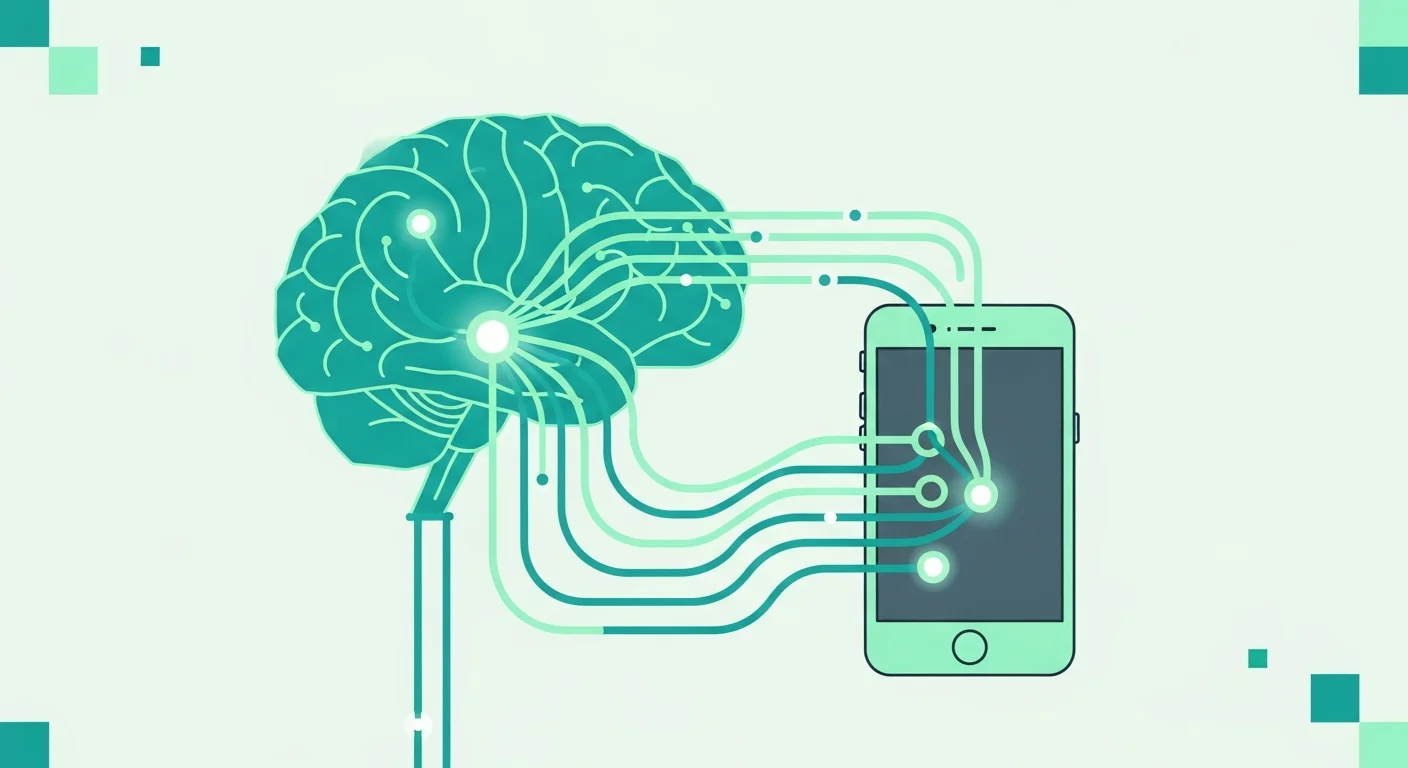
But here's where it gets interesting, and where Smartphone Dependency mental health impact becomes more than just correlation. Neuroimaging studies have revealed actual structural changes in the brains of people with Smartphone Dependency. The prefrontal cortex, which handles decision-making and impulse control, shows reduced gray matter volume. Meanwhile, the areas associated with reward processing light up like Times Square on New Year's Eve every time a notification pings. Your brain literally gets a dopamine hit from that little red badge icon.
The Smartphone Dependency in adolescents research is particularly sobering. Teenagers' brains are still developing, particularly the regions responsible for self-control and rational thinking. Introduce an addictive device during this critical window, and you're essentially hijacking normal brain development. Researchers have documented increased impulsivity, reduced attention spans, and difficulty with emotional regulation among heavy adolescent users.
The Sleep Connection Nobody Wants to Talk About
Can Smartphone Dependency lead to sleep disturbances, per the latest research? Absolutely, and the mechanisms are twofold. First, there's the obvious: you're staying up scrolling TikTok when you should be sleeping. But the effects of Smartphone Dependency on sleep go deeper than that. The blue light emitted by screens suppresses melatonin production, tricking your brain into thinking it's daytime. Your circadian rhythm gets confused, and suddenly you're lying awake at 2 AM, exhausted but wired.
Recent studies show that 67% of smartphone-addicted individuals report chronic sleep problems, including difficulty falling asleep, frequent nighttime awakenings, and poor sleep quality overall. And here's the vicious cycle: poor sleep increases anxiety and depression, which makes you more likely to seek comfort in... you guessed it, your phone. It's a loop that feeds itself, becoming harder to break with each passing night.
| Sleep Impact | Smartphone Addicts | Moderate Users |
|---|---|---|
| Difficulty falling asleep | 67% | 28% |
| Less than 6 hours sleep | 54% | 22% |
| Daytime fatigue | 72% | 31% |
| Use phone after bedtime | 89% | 41% |
Your Brain on Smartphones: The Neuroscience Everyone Should Understand
The brain changes from smartphone overuse aren't subtle, they're measurable and significant. Functional MRI studies reveal that Smartphone Dependency activates the same neural pathways as substance addiction. Yes, the same ones. When heavy users are shown images of smartphones, their brains respond similarly to how a drug addict's brain responds to their substance of choice.
Scientists have identified decreased connectivity between brain regions responsible for attention and those managing emotions. This explains why you might find yourself doom-scrolling through anxiety-inducing news despite knowing it makes you feel worse. Your phone has literally created new neural pathways that prioritize short-term gratification over long-term wellbeing. It's not a lack of willpower, it's neurology working against you.
What Are the Primary Signs You've Crossed the Line?
What are the primary signs of Smartphone Dependency according to new scientific findings? Clinical researchers have identified several red flags that go beyond "I use my phone a lot." Watch for these warning signs:
- Phantom vibrations, feeling your phone buzz when it didn't.
- Nomophobia, genuine anxiety when separated from your device.
- First-thing-last-thing syndrome, checking your phone immediately upon waking and right before sleep.
- Real-world interference, declining social invitations or neglecting responsibilities because you're absorbed in your device.
- Failed reduction attempts, you've tried cutting back but can't sustain it.
- Tolerance, needing increasing amounts of phone time to feel satisfied.
If you're checking off multiple boxes here, you're not alone, and you're not weak. You're experiencing predictable responses to technology specifically designed to be addictive. Social media platforms employ behavioral psychologists whose entire job is making their apps irresistible. The deck is stacked against you.
The Productivity Myth We Need to Bust
How does Smartphone Dependency affect productivity, as shown in contemporary research? Brutally. Studies using productivity tracking software reveal that the average smartphone-addicted worker loses approximately 2.5 hours per workday to non-work-related phone use. But the damage goes beyond those lost hours. Constant task-switching, checking your phone while working, creates "attention residue" that persists even after you put the device down. Your brain literally can't fully focus on the task at hand because part of it is still thinking about what you just saw on Instagram.
Research from 2025 shows that workers who implement healthy phone boundaries complete tasks 40% faster and with fewer errors. The math is simple but stunning: reducing smartphone interruptions doesn't just give you back those lost hours; it makes the remaining hours significantly more effective.
Strategies That Actually Work (According to Science, Not Instagram Influencers)
So what strategies do recent studies recommend for overcoming Smartphone Dependency? I'm glad you asked, because this is where we move from scary statistics to actionable solutions. And I'm not talking about generic advice like "just use it less." I'm talking about evidence-based Smartphone Dependency solutions that acknowledge the genuine difficulty of breaking this habit.
Establish device-free time zones. Research strongly supports creating physical and temporal boundaries. Start with meal times and the hour before bed. Put your phone in another room. Yes, really. Studies show that even having your phone visible on the table, face down, silent, reduces cognitive capacity and attention quality. Out of sight isn't just out of mind; it's essential for mental freedom.
Practice mindful technology use. This isn't hippie nonsense; it's a validated therapeutic approach. Before reaching for your phone, pause and ask yourself: "What am I hoping to get from this?" Often, we're seeking emotional regulation, distraction from boredom, relief from anxiety, or escape from loneliness. Identifying the underlying need helps you address it more effectively. Maybe you need a walk, a conversation, or just to sit with discomfort for a moment.
Implement smartphone usage limits using built-in features. iOS Screen Time and Android Digital Wellbeing aren't perfect, but they work. Set app limits that actually challenge you. If you're spending four hours on social media, don't set a three-hour-and-forty-five-minute limit. Try two hours. Yes, you'll hit that wall. That's the point. That friction is where change happens.
Redesign your phone environment. Remove social media from your home screen. Disable non-essential notifications. Turn on grayscale mode, research shows that removing color significantly reduces phone appeal. These digital wellness strategies leverage the same psychological principles that made your phone addictive in the first place, just in reverse.
How to Break Smartphone Dependency Habits When You've Tried Everything
If you've attempted to break Smartphone Dependency habits before and failed, here's what research suggests: stop trying to quit cold turkey. The all-or-nothing approach fails spectacularly because it doesn't account for the legitimate benefits smartphones provide. Instead, focus on harm reduction and gradual substitution.
Replace mindless scrolling with intentional activities that provide similar psychological rewards. If you scroll for social connection, schedule actual phone calls or coffee dates. If you scroll for novelty and information, subscribe to a daily newsletter you read at a designated time. The goal isn't to eliminate all phone use, it's to reduce screen time management from an unconscious habit to a conscious choice.
One particularly effective strategy involves the "20-minute rule": when you feel the urge to check your phone, wait twenty minutes and do something else first. Often, the urge passes. When it doesn't, you'll approach your phone with more intention and awareness. This simple technique helps break the automatic stimulus-response pattern that defines addictive behavior.
The Road Ahead Isn't About Perfection
Listen, I'm not going to sit here and pretend I've got this whole thing figured out. My screen time report from last week would probably make some of the researchers I've cited shake their heads. But here's what I've learned from diving deep into the latest research on Smartphone Dependency: awareness is the first step, and imperfect progress beats paralyzed perfectionism every single time.
The brain changes from smartphone overuse aren't permanent. Neuroplasticity, your brain's ability to rewire itself, works in both directions. The same mechanisms that allowed Smartphone Dependency to take root can help you reclaim your attention, your sleep, and your mental health. It takes time, typically several weeks before new habits feel natural, but the research is clear: recovery is absolutely possible.
So here's my challenge to you: pick one strategy from this article and implement it today. Not tomorrow. Today. Maybe it's putting your phone in another room during dinner. Maybe it's enabling grayscale mode. Maybe it's just noticing how many times you reach for your phone in the next hour without unlocking it.
Your attention is the most valuable resource you own. The latest research on Smartphone Dependency makes one thing crystal clear: the companies competing for that attention have unlimited budgets and teams of experts. But you have something they don't, the ability to choose what matters to you. Start small, be patient with yourself, and remember that every moment you're present in your actual life is a moment you're not lost in the digital void.
Ready to assess your smartphone dependency? Use our Digital Wellness Calculator to get your personalized screen time score and start your journey toward better digital wellness.
Note: This article is for informational purposes only and should not be considered medical advice. If you have serious concerns about technology addiction or mental health, please consult with a qualified healthcare provider.