You know that feeling when you reach for your phone without even thinking about it? When your hand just... finds it? Like it has a mind of its own? Yeah, I'm talking about that split-second panic when you can't find your device, or that compulsive need to check notifications every few minutes. If this sounds familiar, you're definitely not alone, and honestly, it might be time we had a real conversation about what's actually happening here.
Here's the thing: our phones have become extensions of ourselves, and while technology has made life incredibly convenient, there's a darker side to this constant connectivity that we need to address. The relationship between Phone Overuse and mental health isn't just some abstract concern anymore. It's real, it's affecting millions of people, and it's quietly reshaping how our brains work.
Understanding the Brain Chemistry Behind Your Phone Habit
Let me break down something fascinating and slightly terrifying about how Smartphone Dependency affects brain chemistry. Every time you get a notification, every like on your Instagram post, every text message that pings, your brain releases a little hit of dopamine. You know dopamine, right? It's that feel-good chemical that makes you feel rewarded and happy. Sounds great, except here's the catch: this is the exact same neurochemical involved in gambling addiction, substance abuse, and other compulsive behaviors.
Your brain starts creating these pathways that crave the dopamine release from phone notifications. Before you know it, you're checking your device 96 times a day (yes, that's the actual average), and each time you do, you're reinforcing these neural patterns. The problem is that real-life interactions and activities start feeling less rewarding by comparison. Your brain literally gets rewired to prefer the quick, easy dopamine hits from your phone over more meaningful but slower-burning rewards from face-to-face connections or accomplishing actual goals.
What Are the Warning Signs of Problematic Phone Usage?
So how do you know if your phone usage has crossed from normal to problematic? The signs of unhealthy phone usage patterns aren't always obvious because, well, everyone's glued to their phones these days, right? But there are some red flags worth paying attention to.
First, let's talk about the basics. Do you feel anxious or irritable when you can't access your phone? That's a big one. Are you losing sleep because you're scrolling through social media at 2 AM? Check. Have your relationships suffered because you're more engaged with your screen than the actual humans around you? Another check. These aren't just minor inconveniences, these are digital addiction symptoms that point to something more serious happening beneath the surface.
I've noticed people often dismiss these warning signs because phone use is so normalized. But think about it this way: if you felt physically ill every time you couldn't do something, you'd probably recognize that as a dependency issue. The same logic applies here. When your device controls your mood, your sleep, your relationships, and your ability to focus, that's not just a habit anymore. That's mobile phone dependency, and it deserves your attention.
The Anxiety-Depression Connection: Can Constant Phone Checking Make You Miserable?
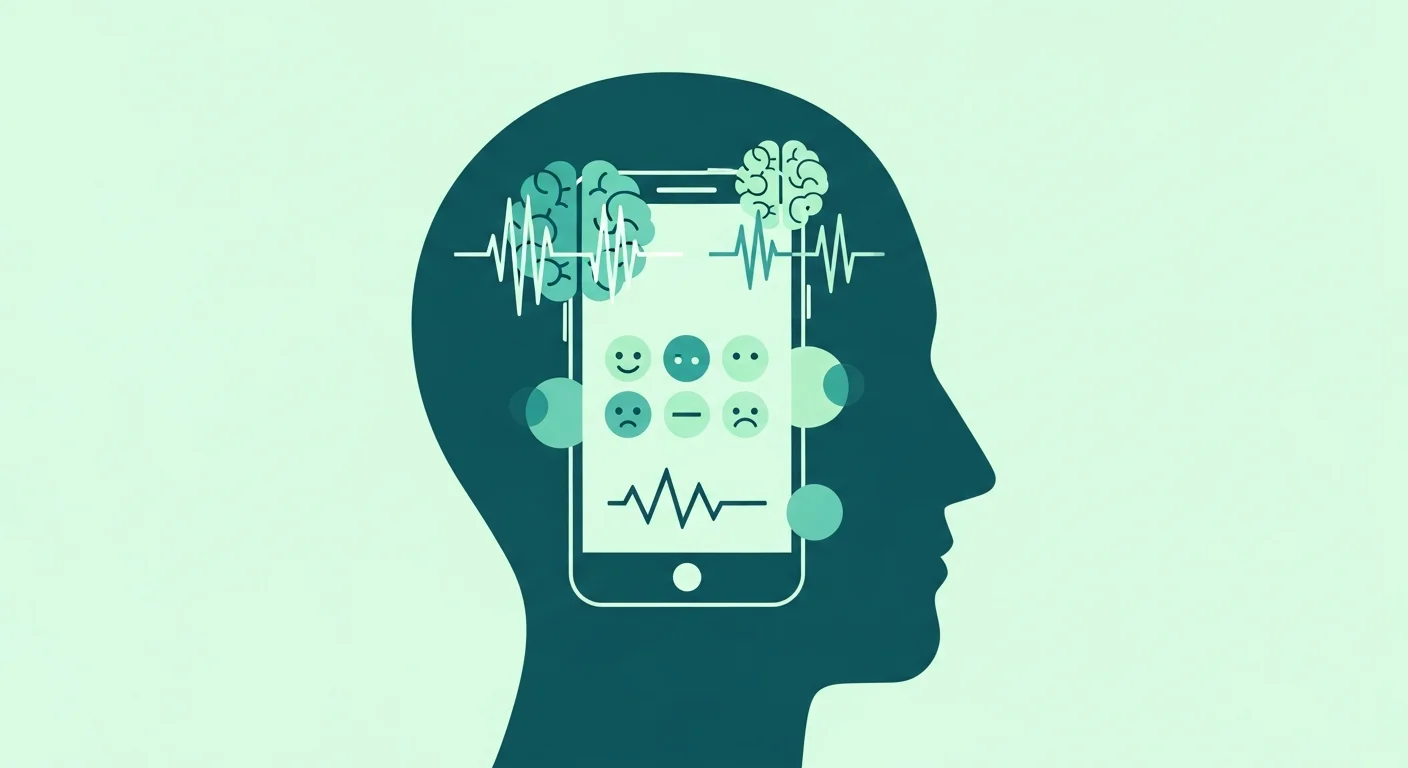
Here's where things get really interesting, and by interesting, I mean genuinely concerning. The relationship between social media and depression isn't just correlation, it's causation in many cases. Studies have consistently shown that excessive smartphone use can actually trigger and worsen symptoms of both anxiety and depression. But why?
Well, constant phone checking creates this perpetual state of partial attention. Your brain never fully relaxes, never completely focuses on one thing, and this mental fragmentation is exhausting. Add to that the comparison trap of social media, where everyone's posting their highlight reels while you're living your blooper reel, and you've got a recipe for feeling pretty terrible about yourself and your life. The impact of constant notifications on stress levels cannot be overstated. Your nervous system stays activated, your cortisol levels remain elevated, and your mind exists in this weird state of anticipatory stress, always waiting for the next ping, the next update, the next thing to respond to.
Phone overuse depression is particularly insidious because it sneaks up on you. You don't wake up one day suddenly depressed from your phone. Instead, it's this gradual erosion of your mental wellness, bit by bit, scroll by scroll. You start feeling more isolated despite being "connected" to hundreds of people online. You feel more anxious about missing out (hello, FOMO) even though you're constantly updated on everything everyone's doing. The paradox is maddening, and it's by design.
Nomophobia: The Fear You Didn't Know You Had
Let's talk about nomophobia for a second. It's a term you might not have heard, but you've probably experienced it. Nomophobia, or "no-mobile-phone phobia," is the fear of being without your phone or unable to use it. Sound dramatic? Maybe, but nomophobia anxiety is incredibly real and surprisingly common.
This isn't just about convenience anymore. People experiencing nomophobia report genuine panic symptoms when separated from their devices: increased heart rate, sweating, difficulty breathing, the works. It's a specific manifestation of how deeply smartphone withdrawal symptoms can affect us. When your brain has become dependent on constant digital stimulation, taking that away feels like a genuine threat. Your body responds accordingly, treating the absence of your phone like an actual emergency. Wild, right?
How Screen Time Destroys Your Sleep and Your Mood
If I had to pick one way that screen time mental health impacts hit hardest, it would be through sleep disruption. The mental health consequences of excessive screen time are amplified massively when you factor in what happens to your sleep quality. That blue light from your screen? It suppresses melatonin production, basically telling your brain to stay awake when it should be winding down.
But it's not just the light. Nighttime phone use keeps your mind active and engaged when it needs to decompress. You're processing information, reacting to content, experiencing emotional responses to what you're seeing, and then wondering why you can't fall asleep. Sleep disorders caused by nighttime phone use then create a vicious cycle. Poor sleep worsens anxiety and depression, which makes you more likely to seek comfort in your phone, which further disrupts your sleep. See the pattern?
| Time Before Bed | Impact on Sleep Quality | Effect on Mood Next Day |
|---|---|---|
| 2+ hours | Minimal disruption | Normal mood regulation |
| 1-2 hours | Moderate sleep delay | Slight irritability |
| 30-60 minutes | Significant disruption | Increased anxiety |
| Less than 30 min | Severe impact | Depression symptoms |
Breaking Free: Strategies That Actually Work
Alright, enough doom and gloom. Let's talk solutions because ways to break Phone Overuse habits do exist, and they're more achievable than you might think. The key is understanding that technology addiction treatment doesn't mean going completely off the grid (though a digital detox can work wonders).
Start with small, manageable changes. Create phone-free zones in your life, beginning with your bedroom. Charge your device somewhere else overnight and use an actual alarm clock. I know, revolutionary concept. Set specific times to check social media rather than responding to every notification immediately. Use apps that track and limit your usage (yes, I see the irony of using your phone to reduce phone use, but it works).
Try incorporating phone-free activities for better mental wellness into your daily routine. Read an actual physical book. Go for a walk without earbuds. Have a meal without photographing it. These might sound simple, but they help retrain your brain to find satisfaction in the present moment rather than in documenting or sharing it. Mindfulness techniques to reduce phone dependency are particularly effective because they address the underlying anxiety driving the compulsive checking behavior.
For parents concerned about Phone Overuse in teenagers and young adults, parental controls can help, but honest conversations about healthy technology use matter more. Teenagers are developing their relationship with technology right now, and the patterns they establish will follow them into adulthood.
The Dopamine Problem and Attention Deficits
Let's circle back to something critical: the connection between phone overuse and attention deficit problems. Your phone is designed to fragment your attention. That's not an accident or a side effect, it's the business model. Apps compete for your focus, using every psychological trick in the book to keep you engaged, scrolling, clicking.
The result? Your ability to sustain attention on less stimulating tasks deteriorates. Reading a long article becomes difficult. Having a conversation without checking your phone feels nearly impossible. Your brain has been conditioned to expect constant novelty and stimulation, and anything less feels boring or anxiety-inducing. This isn't just affecting productivity, it's fundamentally changing how we process information and interact with the world.
Real-World Relationships vs. Digital Connections
Here's something I find particularly sad: Phone Overuse interferes with real-world relationships and social skills in ways we're only beginning to understand. When you're out with friends but everyone's on their phones, are you really together? When you're having a conversation but constantly glancing at your screen, are you truly present?
The Smartphone Dependency effects on our social abilities are profound. We're losing the art of reading body language, of sitting in comfortable silence, of giving someone our undivided attention. These skills matter. They're how we build genuine intimacy and connection. No amount of text messages or social media interactions can replace looking someone in the eye and being fully present with them.
Young people especially are showing decreased empathy and increased social anxiety, partly because so much of their interaction happens through screens. They're missing out on the messy, complicated, beautiful work of in-person human connection, and that loss will have ripple effects for years to come.
Does Age Matter? Phone Overuse Across Generations
One question that comes up frequently: does Phone Overuse affect teenagers differently than adults? The short answer is yes, absolutely. Teenage brains are still developing, particularly the prefrontal cortex responsible for impulse control and decision-making. This makes them more vulnerable to addictive behaviors and less equipped to self-regulate their phone use.
However, adults aren't off the hook. We might have more developed brains, but we're also more likely to rationalize our excessive use as "necessary for work" or "staying connected." The mental health impacts show up differently across age groups, but they're present regardless of how old you are.
The Path Forward: Can Limiting Smartphone Usage Actually Help?
So here's the million-dollar question: can limiting smartphone usage improve symptoms of depression and anxiety? Research increasingly suggests yes, it can, and sometimes dramatically. People who successfully reduce their screen time report better mood, improved sleep, decreased anxiety, and enhanced overall well-being.
But here's the thing: it's not just about using your phone less, it's about being more intentional with your technology use. It's about reclaiming your attention, your time, and your mental space. Cognitive behavioral therapy for technology addiction can help if you're really struggling, providing structured approaches to identifying triggers and developing healthier patterns.
The digital detox benefits for anxiety are real and measurable. Even short breaks from constant connectivity, a weekend without social media, a week with reduced screen time, can reset your nervous system and give you perspective on just how much your phone was affecting your mental state.
Taking Back Control
Look, I'm not suggesting we all throw our phones into the ocean and return to a pre-digital existence. That's not realistic, and honestly, technology has given us incredible tools and opportunities. But we need to be honest about the costs, about what we're trading when we give our devices unlimited access to our attention and our lives.
Your mental health matters more than any notification. Your real-life relationships are more important than your online persona. Your ability to be present, to focus deeply, to sleep well, these things are worth protecting, even if it means missing out on some content or taking longer to respond to messages.
The link between Phone Overuse and mental health is clear, well-documented, and increasingly impossible to ignore. But knowledge is power, right? Now that you understand what's happening, you can make different choices. You can set boundaries. You can reclaim your attention and your peace of mind.
Start small. Pick one change to make today. Maybe it's keeping your phone out of the bedroom tonight, or taking a walk without it tomorrow, or having one meal completely device-free. These small steps add up, and your future self, the one who sleeps better, feels less anxious, and connects more deeply with the world around them, will thank you.
Ready to assess your phone dependency? Use our Digital Wellness Calculator to get your personalized screen time score and start your journey toward better mental wellness.
Note: This article is for informational purposes only and should not be considered medical advice. If you have serious concerns about technology addiction or mental health, please consult with a qualified healthcare provider or mental health professional.