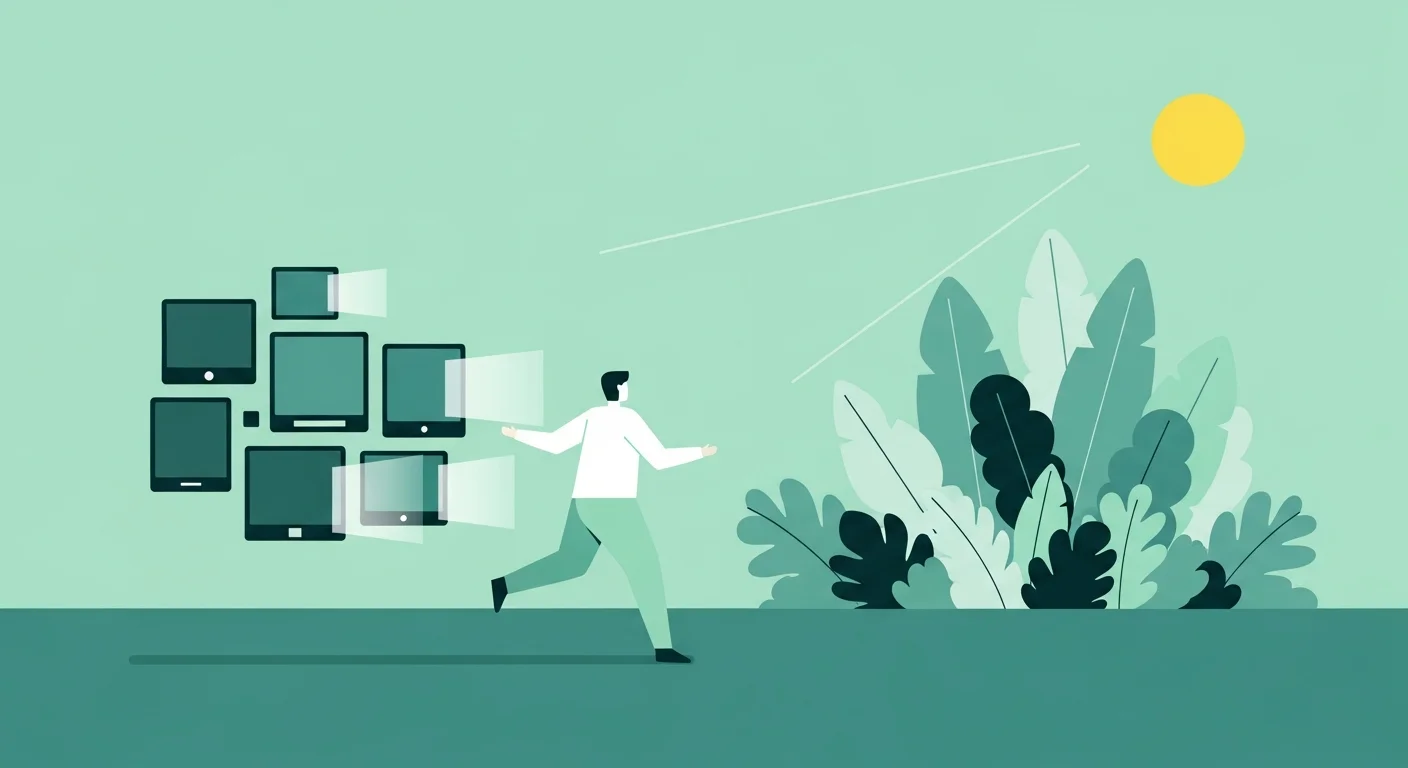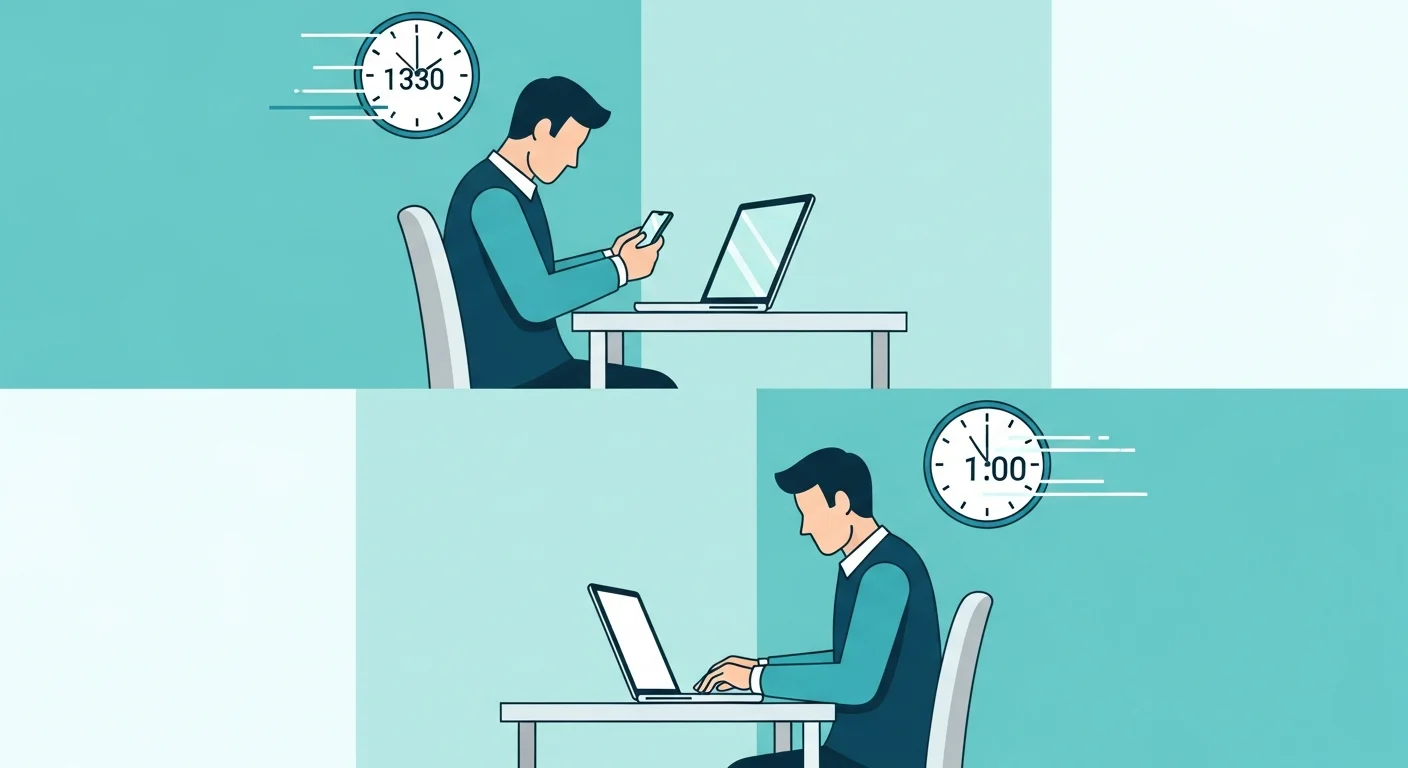
I sat down to write a report that should have taken two hours. Four hours later, I'd written maybe three paragraphs and checked my phone approximately 73 times. Not because anything urgent was happening. Not because I was waiting for important information. Just because my phone was there, within arm's reach, and my brain had apparently decided that every random thought deserved to be immediately externalized through a quick scroll, a message check, or a dive into whatever app my thumb landed on first. When I finally finished that report at 9 PM, exhausted and frustrated, I realized something devastating: I hadn't lost those hours to important interruptions or unavoidable emergencies. I'd voluntarily traded my productivity for absolutely nothing of value. That's the insidious nature of Phone Overuse and productivity loss, it doesn't announce itself with dramatic failures. It just quietly steals your capacity to focus, work, and accomplish things, one distraction at a time.
What Strategies Restore Focus Lost to Smartphone Overuse?
The path to smartphone distraction recovery starts with understanding that your attention span isn't naturally this fractured. You weren't born incapable of sustaining focus for more than 90 seconds before needing to check your phone. This is learned behavior, conditioning that's been reinforced thousands of times through the reward structure of notifications, likes, and the variable reinforcement schedule that makes your phone function like a slot machine for your brain. The good news is that learned behaviors can be unlearned, though the process requires more than just willpower. You need systematic strategies that work with your brain's reward system rather than against it.
The most effective technique for fixing focus issues caused by constant notifications is what productivity experts call "time-blocking" combined with complete phone elimination during focused work periods. Not phone on silent. Not face-down on your desk. Completely removed from your workspace, ideally in another room. Studies show that the mere presence of your phone, even when turned off, reduces cognitive capacity because part of your brain remains allocated to not checking it. That background mental effort to resist temptation depletes the same limited pool of willpower you need for complex work. When your phone isn't present at all, you eliminate that cognitive drain and free up mental resources for actual productivity. Start with 25-minute focused blocks using the Pomodoro Technique, gradually increasing to 90-minute deep work sessions as your attention span recovers and strengthens.
How Can You Reclaim Productivity Hindered by Mobile Habits?
Tips to regain productivity from phone overuse must address both the immediate behavioral patterns and the underlying reasons you reach for your phone during work. Most phone checking during productive time isn't about the phone itself, it's about avoidance. You encounter a difficult task, experience that uncomfortable friction of not knowing exactly what to do next, and your brain immediately seeks relief through distraction. Your phone provides instant, effortless escape from that discomfort. Breaking this pattern requires developing tolerance for difficulty and boredom, which sounds unpleasant because it is. But that tolerance is the foundation of deep work and genuine productivity.
One practical approach is implementing what I call "friction laddering," making phone distraction progressively more difficult to access. Level one is removing apps from your home screen so you have to actively search for them. Level two is logging out of accounts so re-entry requires typing passwords. Level three is using apps like Freedom or Cold Turkey to block distracting sites and apps during work hours. Level four is keeping your phone in a different room entirely. Each level adds friction that interrupts the automatic reaching-for-phone impulse and creates a pause where conscious choice can override compulsive behavior. Research on strategies for work success despite Screen Dependency shows that these environmental modifications consistently outperform willpower-based approaches because they work even when your motivation and self-control are depleted.
Which Techniques Counter Phone Overuse's Impact on Work Efficiency?
The relationship between digital addiction and work efficiency suffers most from what psychologists call "attention residue," the cognitive aftermath that persists after you've switched tasks. When you're working on a report, get interrupted by a notification, check your phone, scroll for a few minutes, then return to the report, your brain doesn't immediately resume full focus on the original task. Part of your attention remains allocated to processing what you just saw on your phone. That residue accumulates with each interruption, fragmenting your cognitive resources until you're operating at a fraction of your actual capacity. Studies show it takes an average of 23 minutes to fully regain focus after an interruption, which means if you're checking your phone every 10-15 minutes during work, you're literally never reaching full focus throughout your entire day.
Apps to combat Phone Overuse and productivity theft include several that specifically target work contexts. Forest turns focus time into a game where staying off your phone grows virtual trees. RescueTime automatically tracks how you spend your time and provides detailed reports showing exactly where your hours go. Freedom blocks distracting apps and websites across all your devices simultaneously. One Sec interrupts your attempt to open time-wasting apps and requires a breathing exercise first. The key is choosing tools that match your specific distraction patterns. If notifications are your weakness, use Do Not Disturb modes aggressively. If you habitually open social media when faced with difficult work, block those sites during work hours. If you struggle with self-discipline, use apps that make it genuinely difficult to bypass blocks once they're set.
How Do You Boost Output When Screen Dependency Steals Time?
Boosting efficiency after a mobile dependency slump requires honest accounting of where your time actually goes. Most people dramatically underestimate their phone use during work hours. Use your phone's screen time tracking or install RescueTime to get objective data for one week. Don't try to change your behavior yet, just measure it. That baseline data creates undeniable evidence of the productivity drain. When you see that you spent 3.5 hours on your phone during an 8-hour workday, suddenly your confusion about why you're behind on projects makes perfect sense. You weren't working for 8 hours. You were working for maybe 4.5 hours with constant interruptions that degraded the quality of even that limited focused time.
The statistics on how Smartphone Dependency kills daily output are sobering. Knowledge workers who frequently check their phones produce approximately 40% less work and make significantly more errors compared to those who maintain phone-free work periods. That's not a minor difference, that's the gap between thriving and barely keeping your head above water professionally. But here's the encouraging part: those productivity losses reverse quickly when you implement boundaries. People who commit to phone-free work blocks report measurable improvements within the first week, not months or years, but days. Your capacity for focus hasn't been permanently damaged. It's just been suppressed by constant interruption, and it recovers remarkably fast when given the opportunity.
What Steps Reverse the Productivity Drain From Digital Distractions?
Overcoming texting habits to improve task completion starts with redefining what constitutes urgent communication. Very few messages actually require immediate response. Your brain has been trained to treat every ping as an emergency, but the reality is that most communication can wait 90 minutes while you complete a focused work session. Establish clear boundaries: notify colleagues and friends that you check messages at specific times rather than continuously throughout the day. The initial discomfort of delayed responses passes quickly, and most people adapt to your communication rhythm without issue. Those who don't respect your boundaries probably weren't respecting your time anyway.
The final piece of reversing productivity loss involves replacing phone time with actual productivity rather than just creating empty space. Schedule your most challenging, important work for times when you historically have the strongest focus, typically the first few hours after waking. Protect those hours fiercely. No phone, no email, no meetings if possible. Just deep work on what matters most. As you accumulate wins during these protected periods, experiencing the satisfaction of completing difficult tasks, your brain begins to associate work with reward rather than with the need to escape into phone distraction. That positive association gradually strengthens your natural motivation to stay focused, reducing reliance on willpower and external controls.
Take Back Your Productive Hours
Your phone has stolen enough of your productive capacity. Every hour you spend distracted by your device is an hour you're not advancing your goals, developing your skills, or producing work you're proud of. The path back to genuine productivity doesn't require superhuman discipline. It requires recognizing that your current relationship with your phone isn't working, implementing specific strategies that add friction to distraction, and committing to focused work blocks that give your brain the chance to remember what it's capable of when it's not constantly interrupted. Start tomorrow morning. Put your phone in another room for the first two hours of your day and tackle your most important task. Notice how different that focus feels. That's your natural state. That's what you're fighting to reclaim.
Ready to assess your smartphone dependency? Use our Digital Wellness Calculator to get your personalized screen time score and start your journey toward better digital wellness.
Note: This article is for informational purposes only and should not be considered medical advice. If you have serious concerns about technology addiction or mental health, please consult with a qualified healthcare provider.