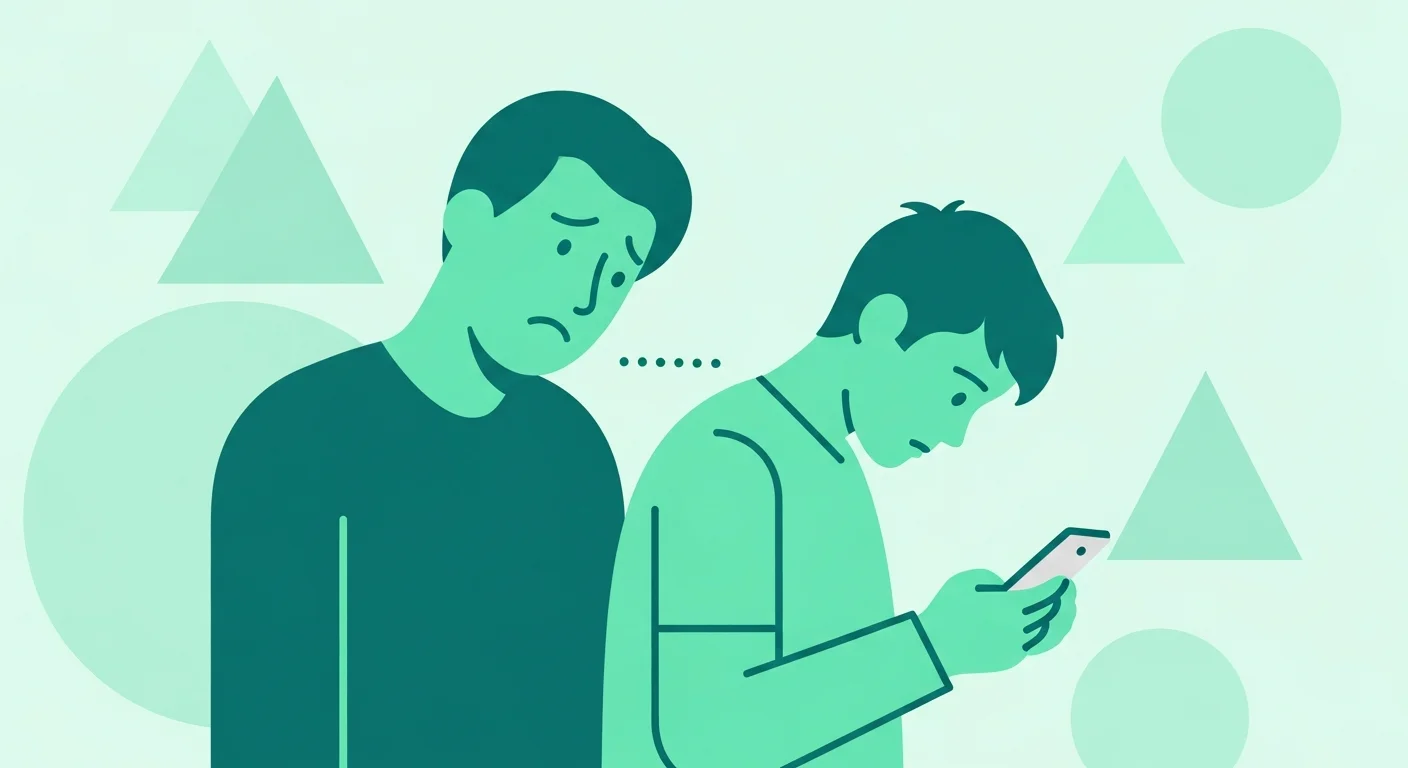
Let me tell you something I noticed last Tuesday at a coffee shop. A couple sat across from each other, both scrolling through their phones in complete silence for twenty minutes straight. They barely looked up, barely spoke, just swiped and tapped like robots programmed to consume content. It was simultaneously fascinating and depressing, and honestly, it made me check my own screen time stats that evening. Spoiler alert: I wasn't proud of what I found.
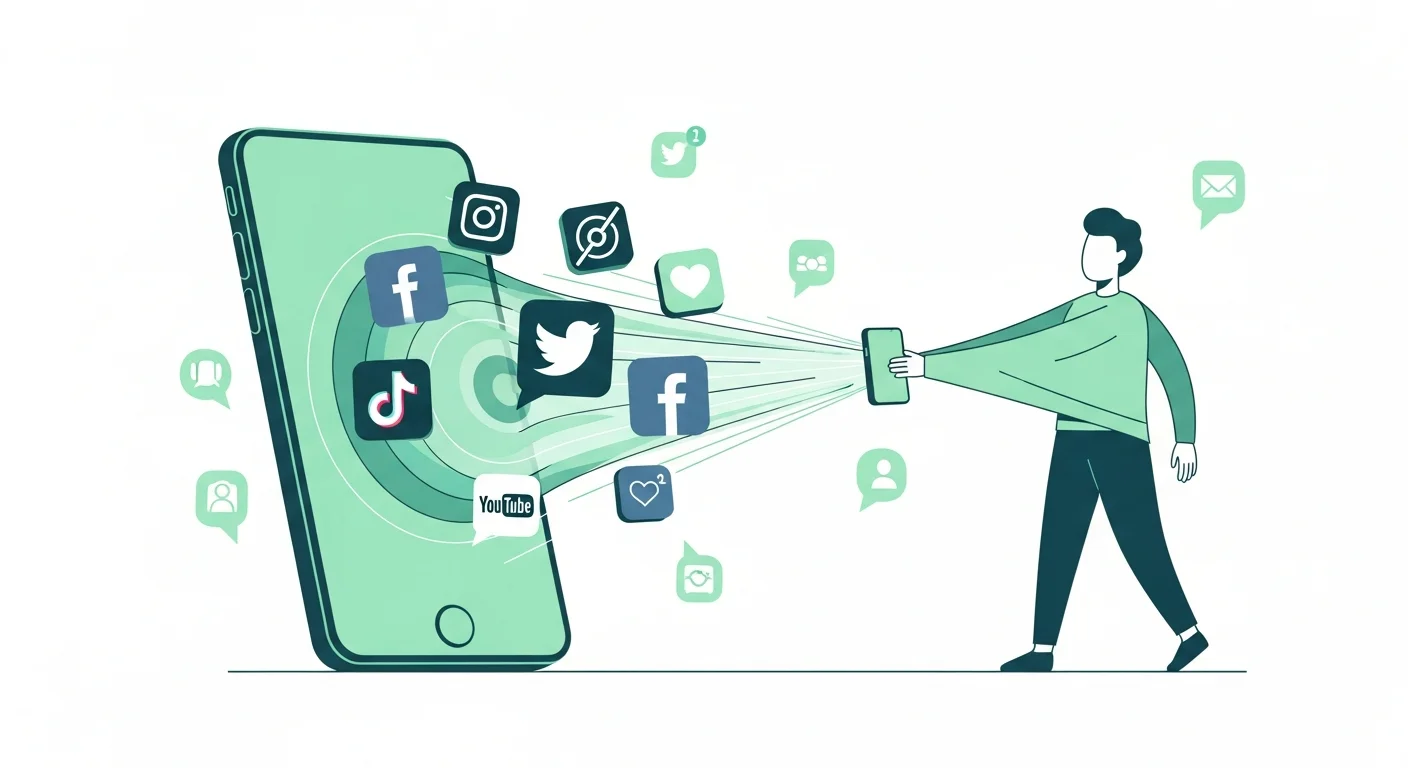
Here's the uncomfortable truth we all need to face: social media isn't just something we use anymore; it's something that uses us. The connection between social media platforms and smartphone dependency isn't accidental or coincidental. It's engineered, calculated, and frankly, brilliant in the most disturbing way possible. These apps have become digital slot machines in our pockets, and we're pulling that lever hundreds of times a day without even realizing we're gambling with our attention, our relationships, and our mental health.
The Science Behind Your Scrolling: Why We Can't Put Our Phones Down
You know that little rush you feel when someone likes your post or when you discover a particularly juicy piece of content? That's not just happiness or interest. That's dopamine, the brain's reward chemical, flooding your system like a slot machine jackpot. Social media companies have figured out exactly how to trigger this response, and they've built entire empires on keeping you hooked.
The psychological mechanisms that make social media applications so habit-forming are surprisingly simple once you understand them. Your brain is wired to seek rewards and avoid missing out on opportunities. Social media exploits both of these primal instincts with ruthless efficiency. Every notification is a potential reward. Every refresh might reveal something new. Every moment offline feels like you're missing the party everyone else is attending.
I've talked to neuroscientists who compare compulsive social media use to substance addiction, and the parallels are genuinely scary. The neurological effects of constant social media engagement literally reshape how your brain processes information and pleasure. Your dopamine receptors start expecting those regular hits of validation and novelty, and when they don't get them, you feel anxious, restless, irritable. Sound familiar? That's withdrawal, my friend, plain and simple.
The Architecture of Addiction: How Apps Keep You Trapped
Let's pull back the curtain on something most people don't realize: social media companies design their apps specifically to maximize the time you spend using them. This isn't conspiracy theory stuff; it's documented business strategy. They employ behavioral psychologists, neuroscientists, and design experts whose entire job is figuring out how to make these platforms as addictive as possible.
The infinite scroll feature is probably the most insidious invention in digital history. Before this, websites had pages, natural stopping points where you could think, "Okay, that's enough." Now? There's always more content, an endless stream of posts, videos, and updates that never gives your brain a reason to stop. Infinite scroll and Phone Overuse go together like matches and gasoline, and the tech companies know exactly what they're doing.
Then there's the notification system, which deserves its own psychology textbook. Notification addiction from social media apps works because of something called variable reinforcement scheduling. Sometimes notifications matter, sometimes they don't, but you never know which is which until you check. This uncertainty is incredibly powerful. It's the same principle that makes gambling addictive. You check because maybe, just maybe, this notification is the important one, the exciting one, the one you've been waiting for.
Here's a breakdown of the most common addictive design features:
| Design Feature | Psychological Hook | Why It Works |
|---|---|---|
| Infinite Scroll | Removes natural stopping points | Eliminates decision fatigue about when to quit |
| Push Notifications | Creates urgency and FOMO | Interrupts focus and demands immediate attention |
| Like Counters | Provides social validation | Triggers dopamine release and comparison behavior |
| Streaks & Badges | Leverages commitment bias | Makes you feel obligated to maintain progress |
| Autoplay Videos | Reduces friction for continued use | Passive consumption requires no action to continue |
FOMO: The Invisible Chain That Keeps You Checking
The fear of missing out isn't some millennial buzzword; it's a genuine psychological phenomenon that social media has weaponized against us. How does FOMO contribute to compulsive phone checking? Simple: it convinces you that every moment you're not online, something important is happening without you. Someone's having more fun, sharing better content, living a more interesting life, and you're missing it all.
I'll admit something personal here. There was a period last year when I'd check Instagram within thirty seconds of waking up, before my eyes were even fully open. Not because I was expecting anything specific, but because the thought of not knowing what happened overnight genuinely stressed me out. That's comparison culture and phone dependency in action, and it's exhausting.
The relationship between anxiety and social media overuse creates this vicious cycle. You feel anxious, so you check your phone for distraction and connection. But seeing everyone else's curated highlight reels makes you more anxious about your own life. So you check more frequently, seeking validation through likes and comments. The impact of likes and comments on addiction can't be overstated because they provide temporary relief from that anxiety, which trains your brain to keep seeking them out.
Warning Signs: When Usage Becomes Addiction
Let's talk about social media addiction symptoms and signs because recognizing the problem is the first step toward fixing it. If you're reading this and thinking, "Wait, am I addicted?" here are some questions to consider honestly:
Do you reach for your phone within minutes of waking up? Can you go an entire meal without checking social media? Do you feel anxious when your phone isn't nearby? Have you ever pretended to be on an important call just to scroll through apps? Do you compare your screen time to others and feel relieved when yours is lower, or defensive when it's higher?
Social media addiction in teenagers and young adults is particularly concerning because their brains are still developing. The prefrontal cortex, which handles impulse control and decision-making, doesn't fully mature until the mid-twenties. This means younger users are biologically more vulnerable to developing Smartphone Dependency through social platforms. They're forming habits and neural pathways that could affect them for decades.
But honestly? Adults aren't immune. I've watched grown professionals, successful people with families and careers, completely unable to sit through a movie without checking their phones multiple times. Phone dependency doesn't discriminate by age or intelligence or success. It just requires opportunity and exposure.
The Mental Health Cost of Constant Connection
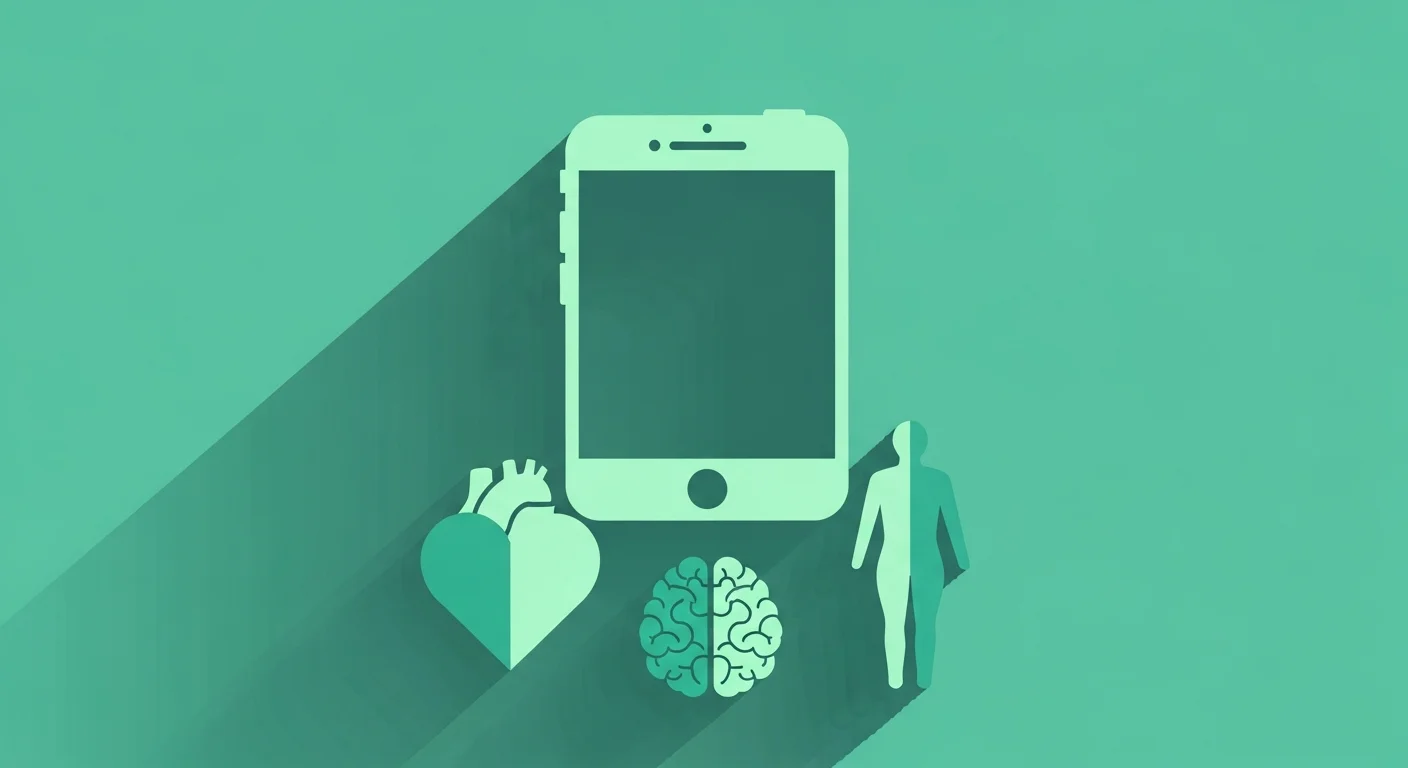
The negative effects of social media on phone usage extend far beyond just wasted time. We're talking about genuine social media mental health effects that researchers are only beginning to fully understand. Depression rates, anxiety disorders, sleep problems, attention deficit issues, they're all correlated with excessive social media consumption.
Here's what the research shows about screen time and wellbeing:
- Sleep disruption: Blue light and mental stimulation before bed reduce sleep quality and duration
- Increased anxiety: Constant comparison and information overload trigger stress responses
- Decreased attention span: Frequent switching between apps trains your brain for distraction
- Emotional volatility: Social validation seeking creates unstable mood patterns
- Reduced face-to-face interaction: Digital communication replaces deeper human connection
I've experienced this personally. During periods of heavy social media use, my mood becomes more reactive, more dependent on external validation. I'm quicker to feel irritated, slower to feel genuinely content. Why is social media so addictive psychology? Because it hijacks the reward systems that evolved to keep us connected to our tribes, but it does so in ways that never fully satisfy those needs.
Breaking Free: Strategies That Actually Work
So how long does it take to break a social media Phone Overuse? The honest answer is that it varies wildly depending on severity and approach, but most experts suggest you'll start noticing significant changes within two to four weeks of consistent effort. The key word there is "consistent," because this isn't easy.
Strategies to help reduce social media-driven phone dependency need to be practical and sustainable. I'm not going to tell you to delete all your apps and move to a cabin in the woods (though if that works for you, more power to you). Instead, let's focus on realistic approaches for reducing screen time spent on social platforms:
Start by understanding your patterns. Most phones now have built-in screen time tracking. Look at when and why you're reaching for your device. Are you bored? Anxious? Avoiding something? Once you identify triggers, you can address them directly instead of just trying to white-knuckle through cravings.
Setting healthy boundaries with social media might mean designating phone-free times or spaces. Maybe bedrooms are screen-free zones. Maybe the first hour after waking up is yours, not your phone's. Maybe meals happen without devices at the table. These boundaries feel restrictive at first, but they create space for other things, better things.
Consider a proper social media detox. I'm talking about taking a complete break for a week or more to reset your relationship with these platforms. The social media detox benefits are remarkable: better sleep, improved mood, increased productivity, more meaningful conversations. You'll be shocked how much mental space opens up when you're not constantly consuming other people's content.
Mindful social media consumption strategies involve intentionality. Before you open an app, ask yourself why. What are you hoping to find or accomplish? Set a timer. When it goes off, put the phone down regardless of what you're doing. It feels weird at first, like leaving a conversation mid-sentence, but remember: the conversation never ends on social media. There's always more.
The Path Forward: Reclaiming Your Attention
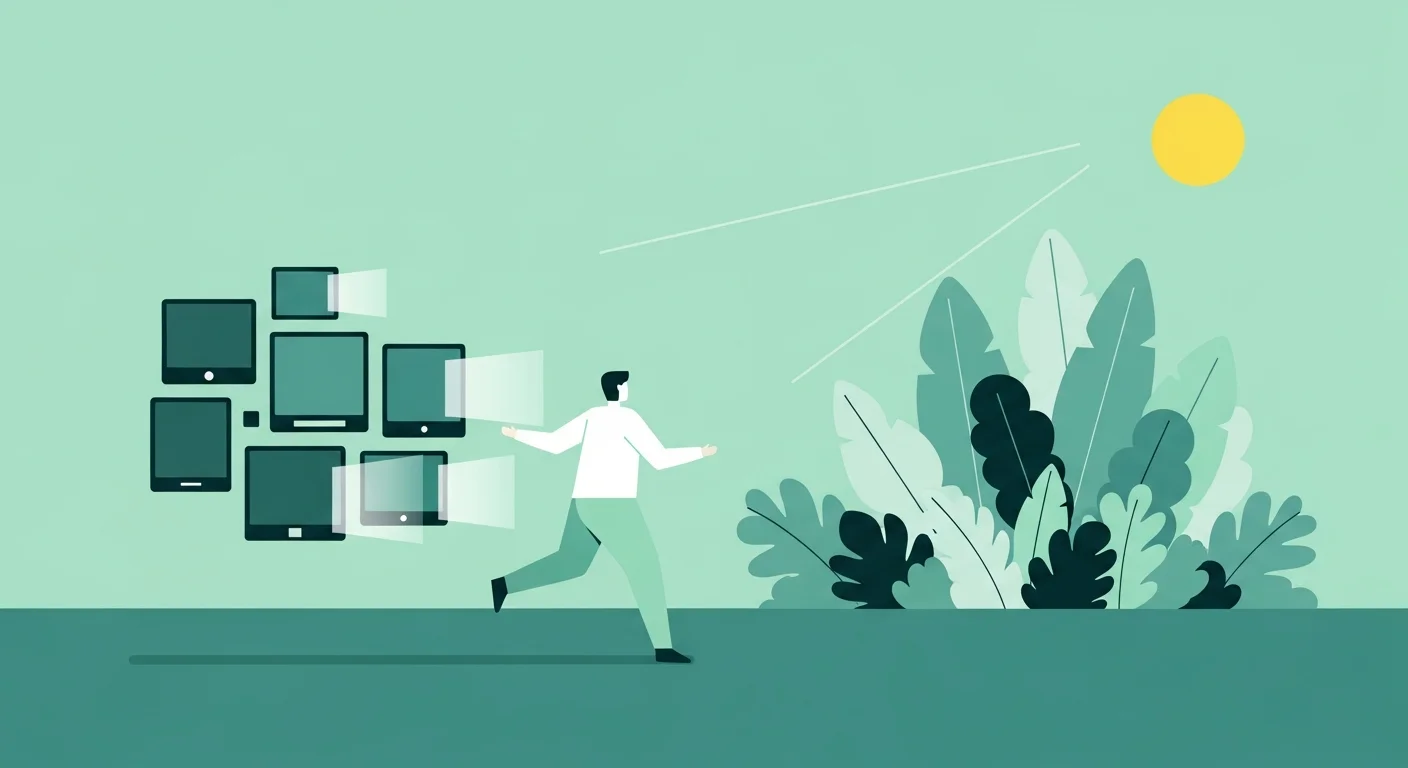
Look, I'm not here to preach that social media is pure evil or that smartphones are ruining civilization. These tools have genuine value. They connect us to people we love, expose us to new ideas, provide entertainment and information. The problem isn't the technology itself; it's how it's designed to exploit our psychological vulnerabilities for profit.
Breaking Phone Overuse isn't about achieving perfection or becoming someone who never uses social media. It's about regaining control, about choosing when and how you engage with these platforms rather than letting them dictate your behavior through carefully engineered compulsion loops.
The patterns of digital addiction we're seeing now will shape society for generations. But you don't have to be a passive participant in this grand experiment. You can recognize the manipulation, understand the psychology, and make conscious choices about your relationship with technology.
Start small. Pick one strategy from this article and try it for a week. Just one. Maybe it's turning off all non-essential notifications. Maybe it's leaving your phone in another room while you sleep. Maybe it's setting a daily limit for your most-used app and actually sticking to it when the timer runs out.
Your attention is valuable. Your time is finite. Your mental health matters more than likes, shares, or keeping up with every trending topic. Social media companies have spent billions figuring out how to capture your focus. Maybe it's time you invested some energy in taking it back.
What's one change you're going to make today? Because knowing about the problem is worthless without action, and action, no matter how small, is where recovery begins.
Ready to assess your social media dependency? Use our Digital Wellness Calculator to get your personalized screen time score and start your journey toward better digital wellness.
Note: This article is for informational purposes only and should not be considered medical advice. If you have serious concerns about technology addiction or mental health, please consult with a qualified healthcare provider.