I spent three hours scrolling through Instagram one Saturday night, looking at people living their best lives in exotic locations, showing off their perfect relationships, their incredible bodies, their dream careers. When I finally put my phone down, I felt hollow. Not inspired or entertained. Just inadequate. Like my ordinary life in my ordinary apartment was somehow proof that I'd failed at being human. That feeling lingered for days, this low-grade sense that I wasn't measuring up. It took me longer than I'd like to admit to connect that feeling directly to my phone use, to realize that the relationship between Phone Overuse and self-esteem was quietly destroying my confidence in ways I hadn't consciously recognized.
In What Ways Does Smartphone Overuse Damage Self-Confidence?
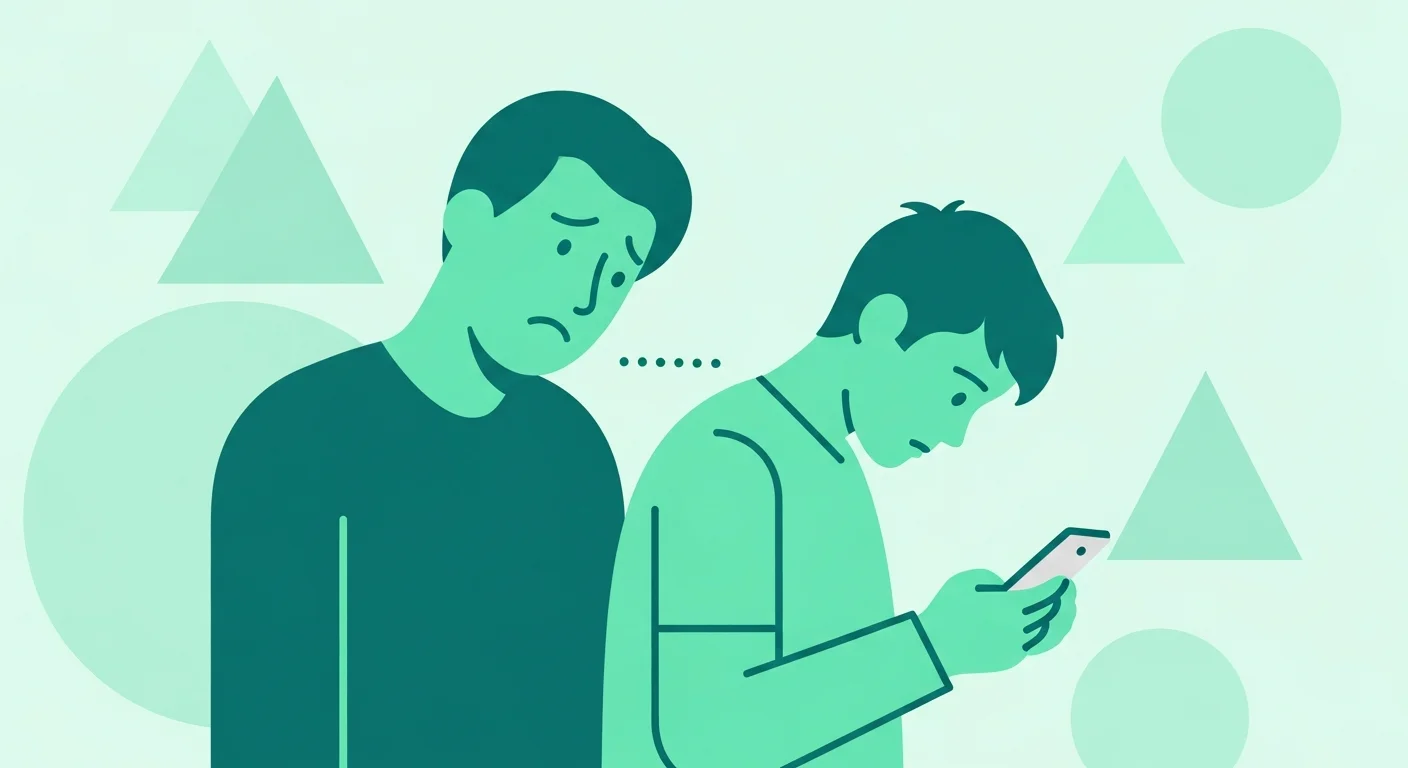
The mechanism by which smartphone overuse erodes confidence is surprisingly insidious because it operates mostly below your conscious awareness. Every time you open social media, you're essentially entering a comparison arena where everyone is presenting their highlight reel while you're living your behind-the-scenes blooper footage. Your brain doesn't fully account for this curation bias. When you see a friend's vacation photos, your brain doesn't think "they're only showing the good moments," it thinks "their life looks amazing and mine doesn't." This constant stream of upward social comparison, where you're perpetually measuring yourself against people who appear more successful, attractive, or happy, systematically undermines your sense of self-worth. Research on the impact of Smartphone Dependency on body image shows that people who spend more time on visual platforms like Instagram report significantly higher levels of body dissatisfaction and lower self-esteem than those who use these platforms minimally or not at all.
But the damage to self-confidence extends beyond just social comparison. Phone Overuse creates what psychologists call "achievement substitution," where the dopamine hits from likes and comments start replacing the satisfaction you'd normally get from real accomplishments. You post something, get validation from strangers, and your brain registers that as an achievement. The problem is that this validation is hollow, fleeting, and completely disconnected from actual growth or skill development. Over time, you start deriving your sense of worth from external metrics that are arbitrary and meaningless. How many likes did you get? How many followers do you have? These numbers become proxies for your value as a person, and when they don't meet your expectations, your self-esteem takes a hit. I know people who've had genuinely bad days because a post didn't perform as well as expected. That's not vanity, that's phone dependency fundamentally altering how you measure your own worth.
How Can Excessive Mobile Use Lower Your Sense of Self-Worth?
The relationship between Screen Dependency and self-worth operates through multiple channels simultaneously, creating a compound effect that's particularly damaging. First, there's the opportunity cost issue. Every hour you spend scrolling is an hour you're not spending on activities that genuinely build self-esteem: learning new skills, pursuing hobbies, exercising, creating something, having meaningful conversations. Self-worth comes from doing difficult things and overcoming challenges, from developing competence and contributing value. But Phone Overuse replaces those growth activities with passive consumption. You're not building anything, creating anything, or accomplishing anything when you're mindlessly scrolling. Your brain knows this at some level, and that awareness erodes your sense of self-worth because you're not living according to your own values or making progress toward goals that actually matter to you.
Studies linking mobile addiction to poor self-image consistently show that heavy phone users report feeling less capable and less confident in their abilities compared to moderate users. This makes intuitive sense when you consider that phone overuse often involves procrastination and avoidance. You reach for your phone instead of tackling difficult tasks, and each time you do this, you're sending yourself a message: "I can't handle this, I need to escape." That pattern of avoidance reinforces a self-image of incompetence and weakness. You start seeing yourself as someone who lacks discipline, who can't focus, who chooses easy distraction over hard work. That self-perception becomes self-fulfilling because your confidence in your own capabilities continues to decline, making challenging tasks feel even more overwhelming and the escape of your phone even more appealing.
Does Screen Dependency Contribute to Feelings of Inadequacy?
Absolutely, and the connection between Phone Overuse and feelings of inadequacy is one of the most documented psychological effects of excessive screen time. Social media platforms are specifically designed to trigger social comparison, which is the primary driver of inadequacy feelings. Facebook's "People You May Know" feature, Instagram's explore page, LinkedIn's notifications about connections' achievements, these aren't neutral features. They're engineered to keep you engaged by continuously exposing you to people who seem to be doing better than you are. The algorithms prioritize content that generates strong emotional reactions, and nothing generates reactions quite like envy and inadequacy. You see someone's engagement announcement, promotion, new house, perfect vacation, and suddenly your own life feels lacking by comparison.
The impact is particularly severe for teenagers and young adults whose identities are still forming. Research on phone overuse leading to low self-worth in teens shows alarming correlations with depression, anxiety, and even suicidal ideation. When your sense of self is still developing and you're constantly exposed to impossible standards of beauty, success, and popularity, the inadequacy can feel crushing. I've talked to high school students who describe spending hours crafting the perfect post, agonizing over which photo to use, then obsessively monitoring the likes and comments as a direct measure of their social value. When the response doesn't meet expectations, they experience genuine distress that can last for days. That's not just adolescent dramatics, that's digital habits fundamentally warping their sense of self-worth during the most formative years of identity development.
Why Does Phone Dependency Harm Personal Self-Image?
Phone dependency harms your personal self-image by creating a fundamental disconnect between who you are and who you're trying to appear to be online. Most people curate their online presence carefully, showing only the attractive, successful, interesting aspects of themselves while hiding everything messy, difficult, or ordinary. The problem is that you know the truth about yourself. You know the gap between your Instagram persona and your actual daily existence. That cognitive dissonance, living as an edited version of yourself while being intimately aware of all the parts you're hiding, creates a sense of fraudulence that erodes authentic self-esteem. You start feeling like a fake, like you're constantly performing rather than just being, and that performance anxiety bleeds into your real-world interactions and relationships.
Breaking screen habits to boost self-esteem requires confronting this authenticity gap head-on. The most effective approach I've seen involves what therapists call "values-based living," where you consciously redirect time and energy from phone use toward activities aligned with your actual values and goals. If you value creativity but spend four hours daily scrolling, that misalignment creates shame and damages self-esteem. If you value physical health but scroll in bed instead of exercising, that gap between values and behavior erodes self-respect. The path to rebuilding self-esteem involves closing that gap, not by changing your values to match your phone habits, but by changing your phone habits to match your values.
What Effects Does Digital Overuse Have on Self-Esteem Levels?
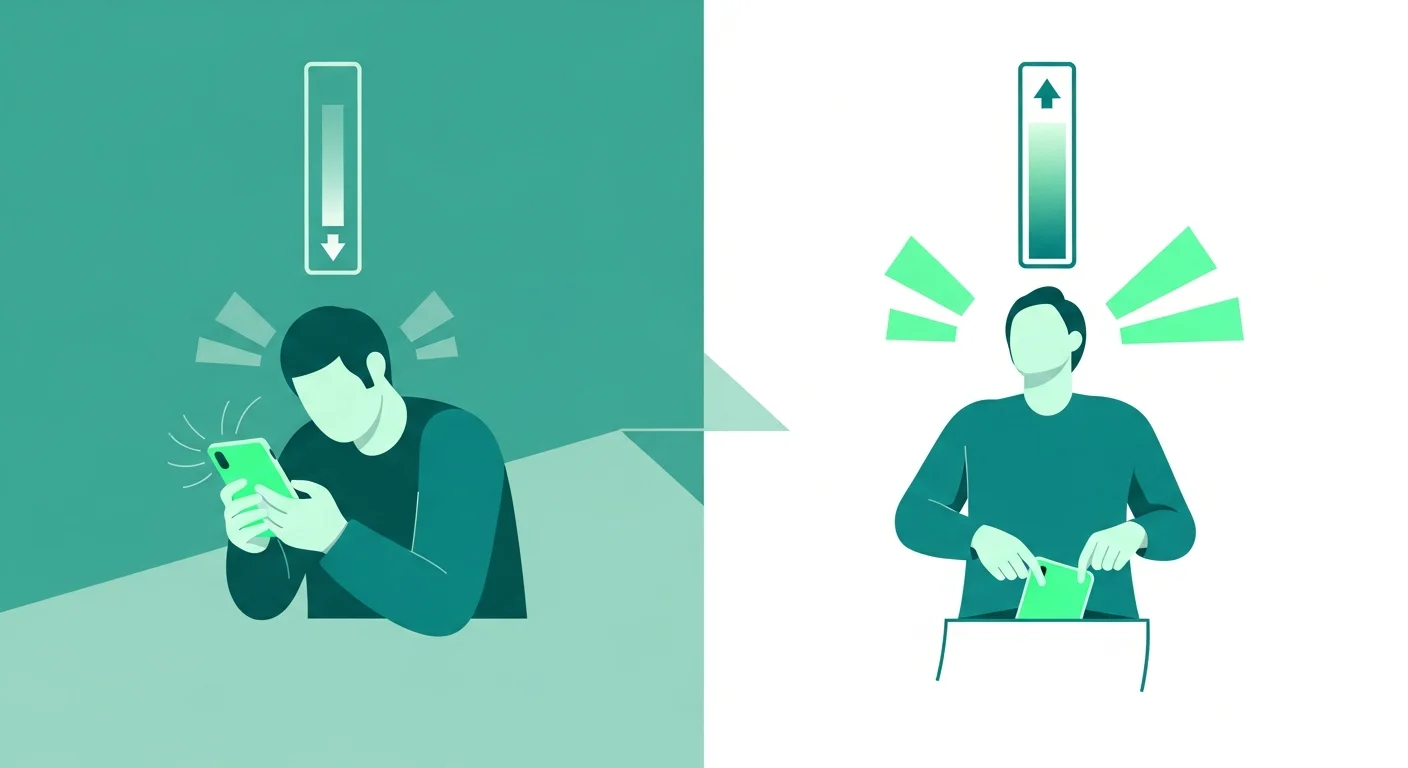
The effects of digital overuse on self-esteem create a vicious cycle that becomes progressively harder to escape. Low self-esteem drives increased phone use as a form of escape and validation-seeking. But increased phone use further damages self-esteem through comparison, time waste, and the disconnection between online persona and authentic self. This cycle accelerates over time, with each rotation making the pattern more entrenched. People with Phone Overuse often describe feeling trapped in this loop, knowing their phone use is making them feel worse about themselves but feeling unable to stop because the phone has become their primary coping mechanism for those exact feelings of inadequacy.
The good news buried in all this darkness is that the relationship between phone use and self-esteem is bidirectional. Just as increasing phone use damages self-esteem, reducing phone use can rebuild it. When people successfully cut their screen time and redirect that energy toward real-world activities, hobbies, relationships, and goal pursuit, their self-esteem improves measurably within weeks. You start accumulating small wins that rebuild confidence. You finish a book, complete a workout, have an engaged conversation, learn a new skill. These genuine accomplishments create authentic self-esteem that doesn't depend on likes, comments, or external validation.
Reclaiming Your Self-Worth
Your self-esteem doesn't have to remain hostage to your phone. Start by asking yourself: who would I be without social media validation? What would I pursue if I wasn't constantly comparing myself to others? Those questions might feel uncomfortable, but they point toward your authentic values and goals, the foundation of genuine self-worth. The path forward isn't about hating your phone or swearing off technology. It's about recognizing how your digital habits might be quietly undermining your confidence and choosing to invest your time and attention in things that build real, lasting self-esteem instead.
Ready to assess your smartphone dependency? Use our Digital Wellness Calculator to get your personalized screen time score and start your journey toward better digital wellness.
Note: This article is for informational purposes only and should not be considered medical advice. If you have serious concerns about technology addiction or mental health, please consult with a qualified healthcare provider.