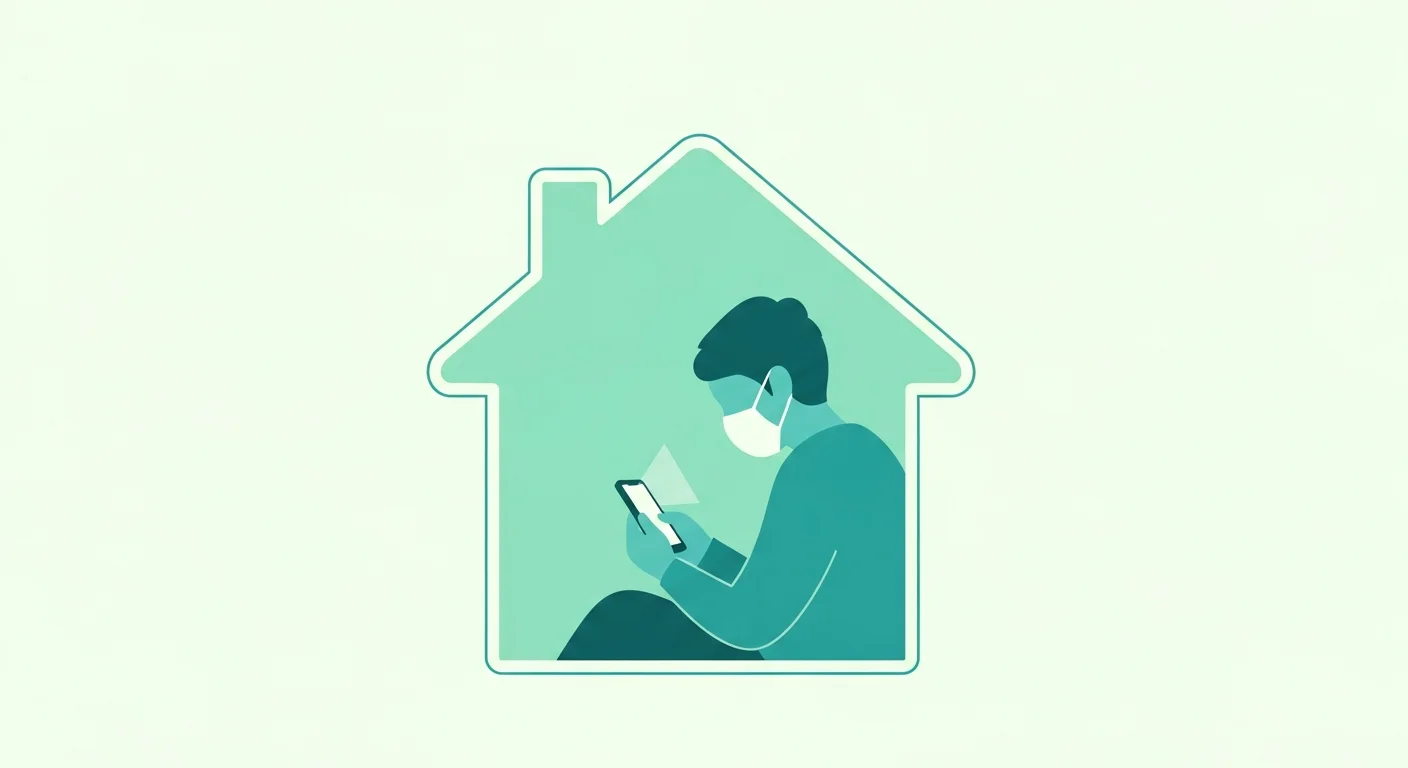
Remember March 2020? That weird, surreal moment when the world collectively pressed pause and we all retreated into our homes, armed with nothing but sourdough starter recipes, Zoom accounts, and our smartphones? Yeah, that's when things got really interesting. Or perhaps more accurately, that's when our phones went from being occasional companions to full-blown life partners we couldn't imagine existing without. If you emerged from the pandemic with significantly worse screen habits than you had going in, trust me, you're not alone in this digital dependency spiral.
In What Ways Did the Pandemic Heighten Smartphone Dependency?
The relationship between Covid Phone Overuse and our collective mental health is more complex than simply blaming boredom or isolation. When the pandemic hit, our smartphones transformed overnight from convenient gadgets into essential lifelines connecting us to everything that mattered: family, friends, work, news, entertainment, and yes, even toilet paper availability updates. Pandemic smartphone overuse wasn't just about mindlessly scrolling; it became our primary window to the outside world when the actual outside world became off-limits. I watched my own screen time statistics climb from a respectable few hours daily to numbers that would make a tech CEO blush, and here's the uncomfortable truth: it felt necessary at the time because, in many ways, it was.
Studies showing Covid's impact on mobile overuse reveal staggering increases across all age groups. We weren't just using our phones more; we were fundamentally restructuring our entire existence around these glowing rectangles. Video calls replaced in-person meetings, social media became our only social outlet, and endless doomscrolling through pandemic news became a compulsive ritual we couldn't shake. The smartphone evolved from a tool we used to a space we inhabited, blurring the lines between healthy engagement and genuine addiction in ways that felt almost imperceptible until the damage was done. Your phone became your office, your gym, your restaurant, your concert venue, and your therapist all rolled into one backlit device that fit in your pocket but consumed your entire day.
How Did Lockdowns Fuel Rises in Screen Overuse Habits?
Lockdown Screen Dependency didn't happen in a vacuum; it was the natural consequence of removing virtually every alternative activity from our lives. How COVID-19 lockdowns spiked Smartphone Dependency becomes painfully obvious when you consider what we lost: gyms closed, restaurants shuttered, movie theaters went dark, parks became forbidden zones, and even simple acts like browsing a bookstore or grabbing coffee with friends became impossible or anxiety-inducing. What were we supposed to do? Stare at our walls? Actually talk to our families? Please. Our phones offered escape, distraction, and the illusion of normalcy when everything else felt apocalyptically abnormal.
Quarantine boredom leading to Screen Dependency created a vicious cycle that's still affecting us today. You'd wake up, check your phone for news updates, scroll through social media to see how everyone else was coping, attend Zoom meetings for work or school, order food through apps, stream entertainment for hours, and fall asleep while watching YouTube videos because your brain had forgotten how to simply exist without constant digital stimulation. The pandemic essentially forced a massive, uncontrolled experiment in what happens when you remove physical boundaries and social structures that naturally limited screen time, and the results weren't pretty.
Why Did COVID Isolation Lead to More Mobile Device Addiction?
Here's where the psychology gets interesting. Coronavirus digital dependency wasn't just about access or opportunity; it was fundamentally about filling a void that isolation created. Humans are social creatures hardwired for connection, and when COVID isolation stripped away our normal avenues for interaction, we turned to the one thing that promised instant, albeit digital, connection: our smartphones. The rise in pandemic effects on daily screen time habits wasn't because we suddenly became lazy or undisciplined; it was because our devices offered something we desperately needed during an incredibly scary, uncertain time. They provided comfort, community, and control when everything else felt chaotic and threatening.
The quarantine mobile addiction that developed during this period also had a darker side that we're only now beginning to fully understand. Social media platforms, already designed to be addictive, found themselves with a captive audience spending unprecedented hours online. The algorithms got better at predicting what would keep us engaged, the content became more polarizing to drive interaction, and we became increasingly dependent on digital validation to compensate for the lack of real-world affirmation. I remember checking my phone every few minutes just to feel connected to something, anything, beyond my four walls, even though that constant checking only made me feel more anxious and disconnected.
What Role Did Remote Life Play in Worsening Digital Habits?
Remote work phone habits and why remote learning increased phone dependency share a common thread: the complete erasure of boundaries between different life domains. How working from home fueled Phone Overuse becomes clear when you realize that your bedroom became your boardroom, your kitchen table turned into your classroom, and your couch morphed into your everything space. Without physical separation between work, school, and leisure, our phones remained constantly within reach, blurring the lines until there was no "off" time anymore. You'd finish a work call and immediately scroll Instagram because your brain couldn't distinguish between professional phone use and personal phone use when both happened in the same space on the same device.
The post-Covid rise in digital device reliance continues to affect us because those habits we formed during lockdown didn't magically disappear when restrictions lifted. We're still reaching for our phones first thing in the morning, still scrolling mindlessly when we're bored or anxious, still using screens as our primary source of entertainment and connection. Remote learning students developed attention spans measured in TikTok videos rather than class periods, while remote workers found themselves in perpetual notification mode, unable to disconnect even during supposed downtime.
How Has the Coronavirus Era Amplified Phone Reliance Issues?
The Covid nomophobia rise represents perhaps the most lasting legacy of the pandemic's digital impact. We emerged from lockdown with fundamentally altered relationships to our devices, characterized by heightened anxiety when separated from our phones and increased reliance on digital connection over face-to-face interaction. The pandemic didn't create Smartphone Dependency, but it certainly accelerated existing trends and normalized behaviors that previously would have seemed excessive. Checking your phone 200 times a day isn't quirky anymore; for many, it's just how life works now.
The truth is, Covid increased Phone Overuse by creating perfect conditions: isolation, fear, boredom, and unlimited access combined with the genuine necessity of digital connection for survival. We adapted, we coped, and we developed habits that may outlast the pandemic itself. Recognizing this pattern isn't about judgment; it's about understanding so we can choose differently moving forward. Your phone helped you survive an unprecedented crisis, but the crisis is over. The question now is whether you're ready to redefine that relationship on your own terms.
Start today. Put your phone down. Look up. Remember what life felt like before screens became everything.
Ready to assess your smartphone dependency? Use our Digital Wellness Calculator to get your personalized screen time score and start your journey toward better digital wellness.
Note: This article is for informational purposes only and should not be considered medical advice. If you have serious concerns about technology addiction or mental health, please consult with a qualified healthcare provider.