You walk into a room and completely forget why you went there. Someone introduces themselves, and thirty seconds later their name has vanished from your brain. You finish reading a paragraph and realize you absorbed absolutely nothing. Sound familiar? Before you blame it on aging or stress, consider this: you've probably been staring at screens for six, eight, maybe ten hours today. And those glowing rectangles might be quietly dismantling your memory function in ways you haven't even noticed yet.
I started paying attention to this connection after realizing I couldn't remember simple things anymore. Grocery lists evaporated from my mind. Conversations I'd had that morning felt fuzzy by afternoon. My working memory, that mental scratch pad we use to hold information temporarily, seemed to be failing me constantly. Then I tracked my screen time and discovered I was averaging nearly twelve hours daily between work, social media, streaming, and mindless phone scrolling. The correlation hit me like cold water. The research on how excessive screen time affects memory function reveals mechanisms that should genuinely concern anyone living in our digitally saturated world, and understanding these cognitive effects might be the wake-up call your brain desperately needs.
Does Too Much Screen Time Damage Memory in Adults?
Yes, and the evidence keeps mounting in ways that researchers find increasingly alarming. Extended screen exposure doesn't just make you temporarily forgetful. It actually changes how your brain processes, stores, and retrieves information. Studies examining the impact of excessive screens on memory recall show that adults with high screen time perform significantly worse on memory tests compared to those with moderate exposure. We're talking about measurable deficits in both short-term memory and long-term memory consolidation, affecting everything from remembering where you put your keys to retaining complex information for work or study.
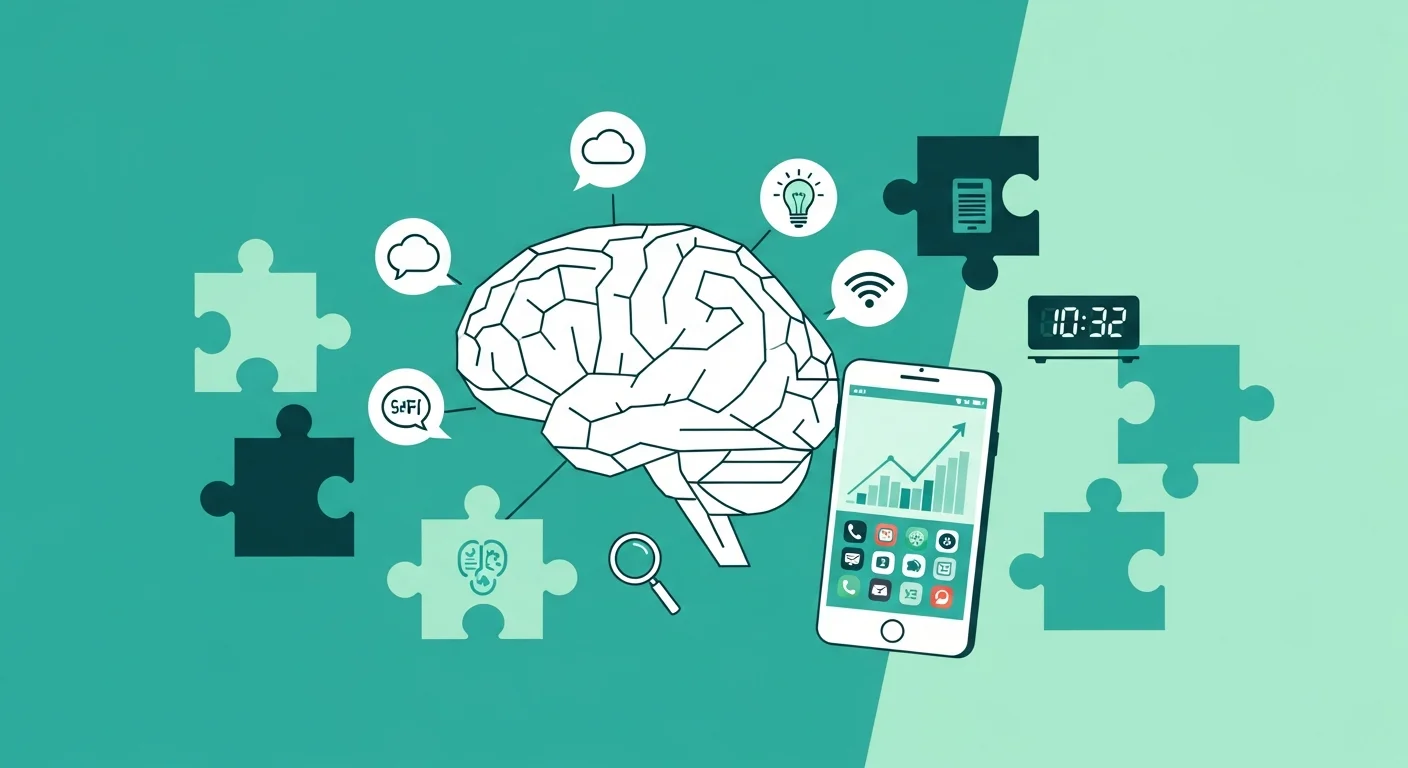
The mechanisms behind Screen Dependency and cognitive decline involve several interconnected pathways that compound each other's effects. First, the constant task-switching that screens encourage disrupts the encoding process necessary for memory formation. When you're bouncing between emails, texts, social media feeds, and work documents, your brain never gets the focused attention required to move information from short-term to long-term storage. Each interruption forces your mental processes to reset, fragmenting your cognitive resources and preventing the deep processing that creates durable memories. Think of it like trying to write in sand while waves keep washing over it. The information simply never solidifies into something retrievable later.
Additionally, screens promote what researchers call "digital overload," a state where your brain receives far more information than it can effectively process. Your cognitive bandwidth gets overwhelmed, and the quality of memory encoding deteriorates dramatically. You might spend three hours reading articles online and remember almost nothing because your brain was operating in a state of continuous partial attention, never fully engaging with any single piece of content. This superficial processing creates the illusion of learning or remembering while actually producing minimal lasting memory traces. You feel busy and productive, but your brain is essentially running in neutral, spinning its wheels without gaining traction.
How Does Heavy Screen Use Impair Short-Term Memory?
Short-term memory, or more accurately working memory, acts like your brain's RAM. It holds the information you're actively using right now, from the phone number you just looked up to the instructions someone just gave you. Heavy screen exposure compromises this system through multiple routes that all converge on one problem: cognitive resource depletion. The constant stream of notifications, updates, messages, and content creates an environment of perpetual interruption where your working memory never gets a chance to operate at full capacity because it's constantly being hijacked by new incoming stimuli.
Screen Time Duration and Memory Impairment:
| Daily Screen Hours | Working Memory Decline | Long-Term Memory Impact | Information Retention |
|---|---|---|---|
| 2-4 hours | Minimal (5-10%) | Negligible | 85-90% baseline |
| 4-6 hours | Moderate (15-25%) | Beginning decline | 70-80% retention |
| 6-8 hours | Significant (30-40%) | Notable impairment | 55-65% retention |
| 8+ hours | Severe (45%+) | Serious degradation | Below 50% retention |
What makes this particularly insidious is that social media effects on long-term memory extend beyond just the time spent scrolling. The platforms are engineered to exploit your brain's novelty-seeking tendencies, delivering endless streams of new information that prevents any single piece of content from receiving the sustained attention necessary for memory consolidation. Your hippocampus, the brain region critical for forming new memories, basically throws up its hands and stops bothering to encode anything because everything gets replaced by something new within seconds. Additionally, the emotional arousal created by social media content, whether it's outrage, anxiety, or excitement, interferes with the calm, focused state that optimal memory encoding requires. Your brain gets stuck in a reactive mode rather than a reflective one.
Can Reducing Screen Exposure Boost Memory Performance?
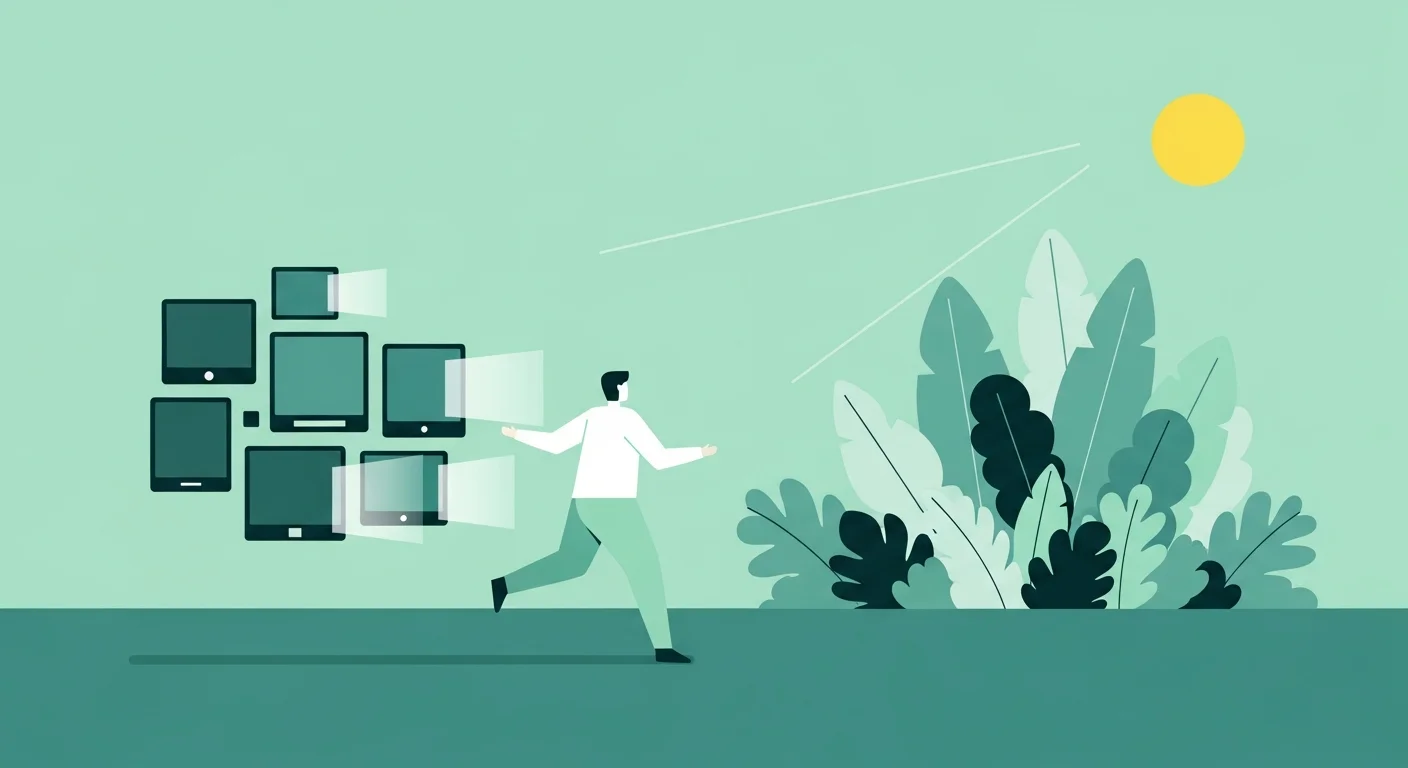
Absolutely, and the improvement timeline is surprisingly fast. Research on limiting devices to enhance brain memory shows measurable gains appearing within just two to three weeks of sustained reduction. Adults who cut their recreational screen time by half report better recall, improved focus, enhanced ability to retain new information, and stronger working memory capacity. The brain essentially gets a chance to reset its baseline expectations for stimulation and returns to more efficient information processing patterns. I personally experienced this transformation after implementing a strict screen diet, cutting my daily total from twelve hours to four hours maximum. Within three weeks, I could remember conversations accurately, retain what I read, and my constant brain fog lifted noticeably.
The mechanisms behind these improvements involve neuroplasticity, your brain's ability to rewire itself based on experiences. When you remove the constant digital bombardment, several beneficial changes occur simultaneously. Your attention span lengthens, allowing deeper encoding of memories. Sleep quality improves due to reduced blue light disrupting sleep and memory consolidation processes. Mental rest periods increase, giving your hippocampus time to transfer information from temporary to permanent storage. Stress hormones decrease, which directly enhances memory function since chronic stress actively impairs hippocampal activity. The compound effect of these changes produces cognitive benefits that extend well beyond just memory, improving overall brain health across multiple dimensions.
Screen habits for better memory health require deliberate boundaries rather than just good intentions. Simple changes produce significant results: implementing digital curfews two hours before bed, designating screen-free zones in your home, taking regular breaks during work screen time, replacing passive scrolling with active reading, and practicing single-tasking instead of constant multitasking. These aren't dramatic lifestyle overhauls. They're modest adjustments that protect your brain's capacity to function optimally.
What Role Does Blue Light Play in Memory Decline?
Blue light impact on cognitive function operates primarily through sleep disruption, which then cascades into memory problems. The blue wavelengths emitted by screens suppress melatonin production, delaying sleep onset and reducing sleep quality. Since memory consolidation happens predominantly during deep sleep stages, particularly REM sleep, anything that interferes with sleep architecture directly undermines your brain's ability to cement memories. You might spend all day trying to learn something new, but if screen exposure ruins your sleep that night, much of that information simply won't get properly stored. The blue light disrupting sleep and memory connection represents one of the most preventable causes of memory dysfunction in modern life.
Beyond sleep effects, emerging research suggests blue light exposure may directly affect hippocampal function and neurogenesis, the creation of new brain cells critical for memory formation. Extended exposure appears to promote oxidative stress in brain tissue, potentially accelerating cognitive aging. While this research remains preliminary, the pattern suggests that blue light's memory effects extend beyond just sleep interference into more fundamental changes in brain structure and function.
Are There Links Between Gaming Addiction and Memory Loss?
Gaming deserves specific attention because video games harming memory retention operates through unique pathways compared to other screen activities. Excessive gaming, particularly of fast-paced action games, trains your brain for rapid response to visual stimuli while simultaneously undermining the sustained attention necessary for memory encoding. The constant state of arousal and reward anticipation that gaming creates floods your brain with dopamine in ways that actually impair hippocampal function over time. Studies show heavy gamers display altered brain structure in memory-related regions, with some research documenting actual shrinkage in the hippocampus among those with gaming addiction.
However, and this matters, moderate gaming of certain types might not produce these negative effects. Strategy games, puzzle games, and educational gaming that require planning, problem-solving, and information retention may actually support certain memory functions. The key variable is intensity and duration. Gaming addiction, where play exceeds four to six hours daily and interferes with other activities, clearly correlates with memory impairment and broader cognitive decline.
Reclaiming Your Memory in a Screen-Saturated World
Understanding how excessive screen time affects memory function gives you power to make informed choices about your digital habits. Your memory isn't failing because you're getting older or losing cognitive capacity. It's struggling because you're asking it to function in an environment that actively sabotages the biological processes necessary for proper memory formation and retrieval. The solution doesn't require abandoning technology entirely, just using it more consciously and creating protected spaces for your brain to do what it evolved to do: think deeply, encode experiences, and build the memories that make you who you are.
What's one screen habit you could change today to protect your memory function? Start there, track the results, and trust that your brain will respond to the gift of reduced digital overload.