Let me guess. You're reading this on a screen right now, aren't you? Maybe your phone, maybe your laptop. And somewhere in the back of your mind, there's this nagging worry that all these hours spent staring at glowing rectangles might be quietly destroying your eyes. I get it because I've had that exact same thought while binge-watching shows at 2 AM or scrolling endlessly through social media feeds.
The question everyone's asking these days is pretty straightforward: does screen time actually wreck your eyesight, or is this just another health scare that'll fade away like those warnings about sitting too close to the TV? Turns out, the answer is more nuanced than a simple yes or no, and understanding what's really happening to your eyes matters more than you might think.
What's Actually Happening to Your Eyes When You Scroll
Here's the thing about screens and your vision. When people ask "does prolonged device use permanently harm vision," the scientific community has some reassuring news mixed with a few legitimate concerns. The good news? Staring at your phone won't make you go blind or cause irreversible retinal damage in the way many people fear. Your eyes aren't going to suddenly stop working because you spent six hours on your computer today.
But hold on, because that doesn't mean screens are completely innocent either. What researchers have found is that excessive screen time creates a specific set of problems known as computer vision syndrome or digital eye strain. This isn't about permanent structural damage to your eyeballs. Instead, it's about how your visual system gets overworked and tired from the constant demands of screen viewing. Think of it like running a marathon versus sprinting, your eyes need breaks just like any other part of your body does.
The symptoms are probably familiar to you already. That gritty, dry feeling in your eyes after a long workday. The headaches that seem to appear out of nowhere. Blurred vision that makes everything look slightly fuzzy. These are all signs that your eyes are basically screaming for a timeout. The technical explanation involves something called the accommodation reflex, which is how your eyes constantly adjust focus when looking at screens. This reflex works overtime during screen use, leading to eye muscle fatigue and strain.
The Blue Light Debate and Real Eye Health Risks
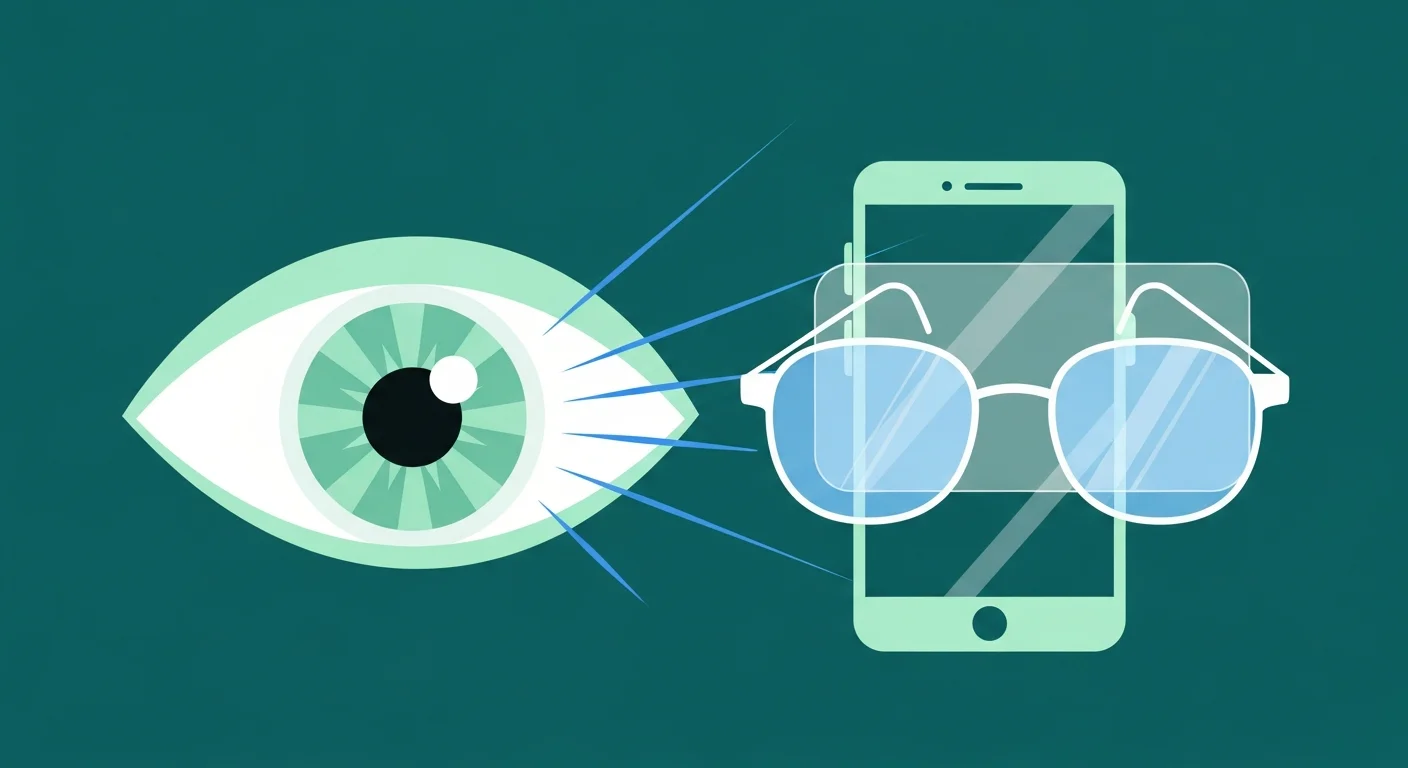
Now let's talk about blue light, because this topic has become almost mythical in wellness circles. You've probably seen those blue light blocking glasses advertised everywhere, promising to save your vision from screen damage. But how exactly does excessive screen exposure affect eye health when it comes to blue light specifically?
Blue light from screens does reach your retina, and yes, lab studies have shown that extremely high doses can potentially damage retinal cells. However, and this is crucial, the amount of blue light your phone or computer emits is nowhere near the levels used in those studies. Your eyes receive far more blue light from simply walking outside on a sunny day than from any screen you own. The sun is the ultimate blue light source, and we've evolved to handle it pretty well.
That said, blue light does affect your sleep-wake cycle by suppressing melatonin production, which is why scrolling through your phone before bed can make falling asleep harder. So while blue light isn't exactly harming your eyesight in the dramatic way some fear, it does mess with your body's natural rhythms. The solution isn't necessarily expensive glasses, it's more about being smart with your evening screen habits and maybe using night mode features that reduce blue light emission.
Screen Time and Nearsightedness: The Real Connection
Here's where things get genuinely concerning, especially if you have kids. Can staring at phones lead to serious eyesight problems? When it comes to myopia or nearsightedness, the answer is actually yes, but not in the way most people think. The link between screen time and nearsightedness in kids isn't necessarily about the screens themselves causing direct damage. Instead, it's about what screen time replaces: outdoor time.
Multiple studies have found that children who spend more time outdoors have significantly lower rates of myopia development. The theory is that natural daylight exposure and looking at distant objects helps the eye develop properly. When kids are constantly indoors staring at close-range screens, their eyes don't get the visual variety they need during critical developmental years. This is screen overuse myopia in action, not because screens emit some vision-destroying ray, but because they keep young eyes focused at a fixed close distance for hours on end.
Preventing Digital Eye Strain: What Actually Works
So what eye risks come from too much digital screen time, and more importantly, how do you prevent them? The famous 20-20-20 rule is your friend here. Every 20 minutes, look at something 20 feet away for at least 20 seconds. This simple habit gives your eye muscles a break from constant close-focus work and can dramatically reduce digital eye strain from long screen sessions.
Also, blink more. Seriously. When you're absorbed in your screen, your blink rate drops by about half, which is why your eyes feel so dry. Conscious blinking or using artificial tears can help. Adjust your screen brightness to match your surroundings, position your monitor about an arm's length away, and for the love of your corneas, get regular eye exams. An optometrist can detect early signs of strain and provide personalized advice for your specific situation.
The Bottom Line on Screen Damage to Vision
Is screen-induced vision decline backed by science? The research shows that while screens won't cause permanent retinal damage or make you blind, they absolutely can lead to temporary but uncomfortable symptoms through digital eye strain and computer vision syndrome. For children, excessive screen time correlates with increased myopia rates, primarily because it replaces outdoor activities crucial for proper eye development.
The key takeaway? Your eyes aren't doomed by modern technology, but they do need care and attention. Reversing eye issues from chronic device overuse is usually possible with better habits and regular breaks. Screen time eyesight concerns are valid, just not in the apocalyptic way some headlines suggest. Treat your eyes right, give them breaks, get outside more, and they'll keep serving you well through whatever digital age throws at us next.
Ready to protect your vision? Start implementing the 20-20-20 rule today and schedule that eye exam you've been putting off. Your future self will thank you for it.