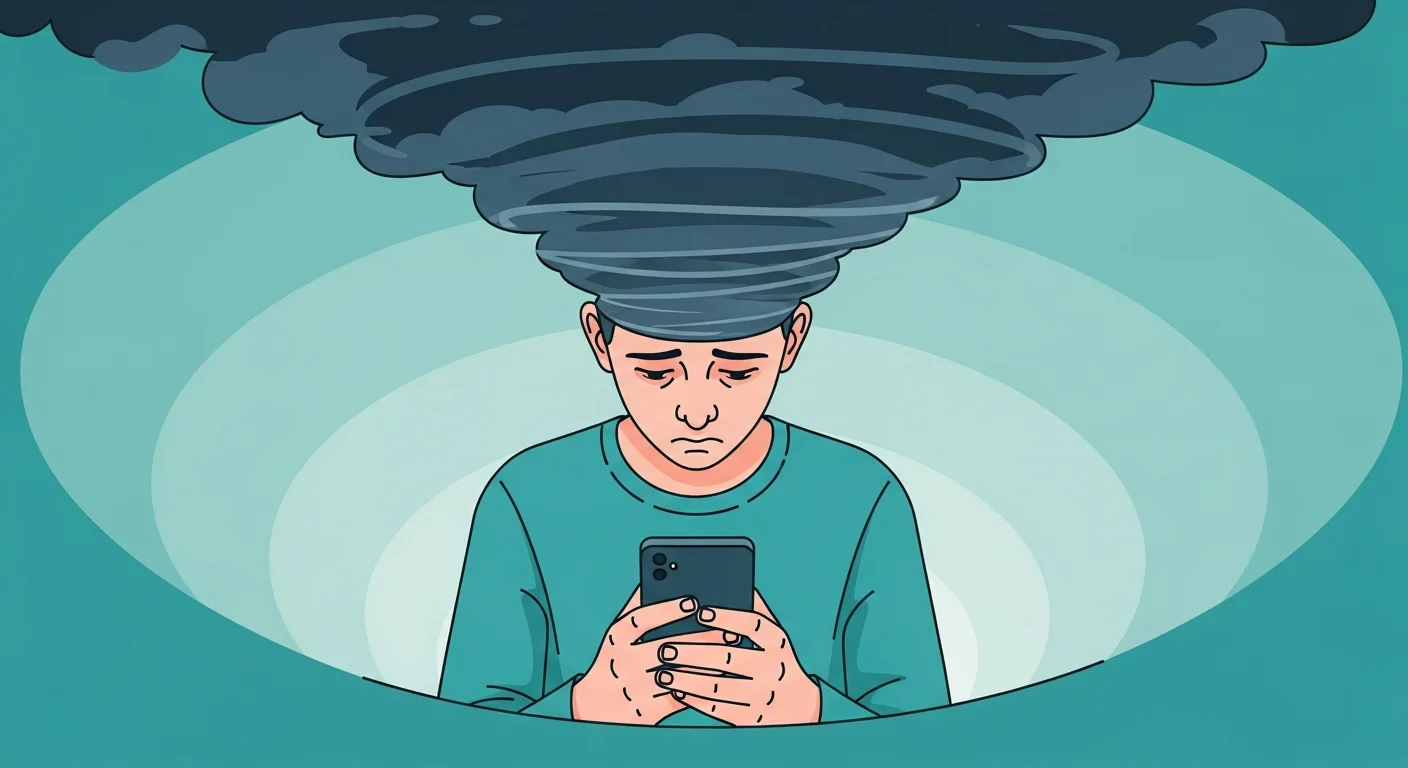
There's something darkly poetic about using your phone to escape feelings of sadness, only to discover that the very device you're clutching like a lifeline is actually the anchor dragging you deeper into the darkness. The relationship between Phone Overuse and depression isn't just complicated; it's a feedback loop from hell where each problem feeds the other until you can't tell which came first or how to break free. If you've ever spent three hours scrolling through your phone, looked up feeling worse than when you started, and immediately dove back in for more, you've tasted this particular brand of digital despair. And trust me, recognizing the warning signs before this pattern consumes you might be the most important thing you do today.
What Warning Signals Link Smartphone Overuse to Depressive States?
The smartphone depression link reveals itself through patterns that are easy to miss when you're living inside them but glaringly obvious in hindsight. Warning signs of depression from phone overuse often start subtly: you notice you're reaching for your device the moment you wake up, not with excitement but with a sense of dread-tinged compulsion, as if checking your notifications might magically fix the heaviness settling in your chest. Screen Dependency mental health decline doesn't announce itself with fanfare; it creeps in through small behavioral shifts that accumulate into something much darker. You start canceling plans because staying in bed with your phone feels easier than facing the world. You lose hours to mindless scrolling that provides no actual enjoyment, just a numbing distraction from feelings you don't want to confront. Your sleep schedule disintegrates because doomscrolling at 3 AM somehow feels safer than lying in the dark with your thoughts.
I've watched this progression in myself during particularly rough patches, and the scariest part is how normal it all feels in the moment. Mobile overuse depression manifests as this insidious erosion of joy where activities that once made you happy now feel like too much effort, but picking up your phone requires zero energy and offers the illusion of engagement without any of the vulnerability that real connection demands. The connection between screen time and clinical depression becomes clearer when you realize that excessive phone use correlates with disrupted sleep patterns, reduced physical activity, decreased face-to-face social interaction, and increased exposure to comparison-inducing contentâ€â€basically a greatest hits compilation of depression triggers all delivered through one convenient device.
How Does Screen Dependency Signal Potential Depression Risks?
Here's where things get psychologically fascinating and personally terrifying. Digital dependency depression operates through multiple mechanisms that work in concert to destabilize your mental health. When screen dependency becomes your primary coping mechanism for difficult emotions, it signals that you've lost healthier ways of processing stress, sadness, or anxiety. Red flags for digital addiction in depressed individuals include using your phone as emotional avoidance rather than actual entertainmentâ€â€you're not scrolling because you're interested in the content but because it temporarily silences the static in your brain. Social media depression intensifies when passive consumption becomes your default mode, watching everyone else's carefully curated highlight reels while your own life feels increasingly colorless and meaningless by comparison.
The warning signs become more pronounced when your phone use starts interfering with basic self-care. You're skipping meals because scrolling feels more compelling than eating. You're avoiding showers because leaving your phone unattended for fifteen minutes triggers disproportionate anxiety. You're neglecting responsibilities not out of laziness but because the thought of doing anything beyond lying in bed with your device feels overwhelmingly exhausting. Does excessive mobile use cause major depressive disorder? The research suggests it's rarely that simpleâ€â€Phone Overuse doesn't typically cause depression in isolation, but it can absolutely trigger or worsen depressive episodes in vulnerable individuals, creating a vicious cycle that becomes increasingly difficult to escape.
Which Red Flags Show Phone Habits Fueling Mental Health Decline?
Spotting phone habits that worsen depression symptoms requires brutal honesty about your relationship with your device. Tech addiction mood disorders present through specific behavioral patterns that differ from ordinary phone use. You're not just checking your phone frequently; you're using it compulsively despite recognizing it makes you feel worse. You experience genuine distress when separated from your device, not because you'll miss something important but because facing reality without that digital buffer feels unbearable. Your phone becomes a security blanket that provides no actual security, just temporary numbness that deepens the underlying problem.
Nomophobia depression signs include panic or intense anxiety when your battery drops below a certain percentage, obsessive checking for notifications even when your phone hasn't made a sound, and preferring digital interaction over face-to-face connection even when both options are available. The red flags intensify when your phone use directly conflicts with activities that typically help depressionâ€â€you're scrolling through Instagram instead of going outside, watching TikToks instead of exercising, refreshing Twitter instead of calling a friend who actually cares about you. Each choice feels insignificant in the moment, but collectively they represent a systematic withdrawal from life itself, mediated through a glowing rectangle that promises connection while delivering isolation.
Can Mobile Addiction Worsen or Trigger Depression Symptoms?
The answer is an unequivocal yes, and understanding how Smartphone Dependency leads to depressive episodes is crucial for breaking the cycle. Mobile addiction doesn't just correlate with depression; it actively contributes to it through several mechanisms. The blue light from screens disrupts your circadian rhythm, sabotaging sleep quality and durationâ€â€both critical factors in maintaining mental health. The constant stimulation fragments your attention span, making it nearly impossible to engage in activities requiring sustained focus or deep thought, which can trigger feelings of inadequacy and frustration. The comparison trap inherent in social media platforms consistently demonstrates your life's shortcomings relative to others, feeding negative self-talk and rumination that characterize depressive thinking patterns.
Moreover, time spent on your phone is time not spent doing things that actually combat depression: exercising, spending time in nature, having meaningful conversations, pursuing hobbies, or simply being present in your own life. How Smartphone Dependency leads to depressive episodes becomes clearer when you realize that every hour scrolling is an hour of missed opportunities for genuine mood improvement, creating a deficit that compounds over time until even basic functioning feels impossible.
What Behaviors Indicate a Cycle of Digital Use and Depression?
Breaking phone dependency to alleviate depression starts with recognizing the specific behaviors that indicate you're trapped in this cycle. You reach for your phone during any moment of discomfort or boredom, using it as an emotional anesthetic rather than addressing what's actually bothering you. You feel temporarily better while using your device but consistently worse afterward, yet you return to it anyway because the alternativeâ€â€sitting with difficult feelingsâ€â€seems intolerable. You've tried cutting back multiple times but failed, not because you lack willpower but because your phone has become psychologically entangled with your ability to regulate emotions.
The cycle perpetuates itself through negative reinforcement: depression makes you withdraw from activities and relationships, increasing phone use to fill the void. Increased phone use worsens depression symptoms, making real-world engagement feel even more difficult. You withdraw further, use your phone more, feel worse, and repeat. Breaking this pattern requires more than just willpower; it demands addressing both the addiction and the underlying mental health issues simultaneously. Professional support, whether therapy, medication, or both, becomes essential when phone use and depression have become this deeply intertwined.
If any of this resonates, please hear this: you're not weak, broken, or beyond help. The smartphone depression link is real, measurable, and most importantly, addressable. Your phone is a tool, not a life raft, and learning the difference might save you from drowning in a sea of notifications and empty dopamine hits. Recognizing these warning signs is the first step. Doing something about them is the courage that changes everything.
Talk to someone today. A therapist, a doctor, a trusted friend. Your mental health matters more than your screen time, and help is available when you're ready to reach for it.
Ready to assess your smartphone dependency? Use our Digital Wellness Calculator to get your personalized screen time score and start your journey toward better digital wellness.
Note: This article is for informational purposes only and should not be considered medical advice. If you have serious concerns about technology addiction or mental health, please consult with a qualified healthcare provider.