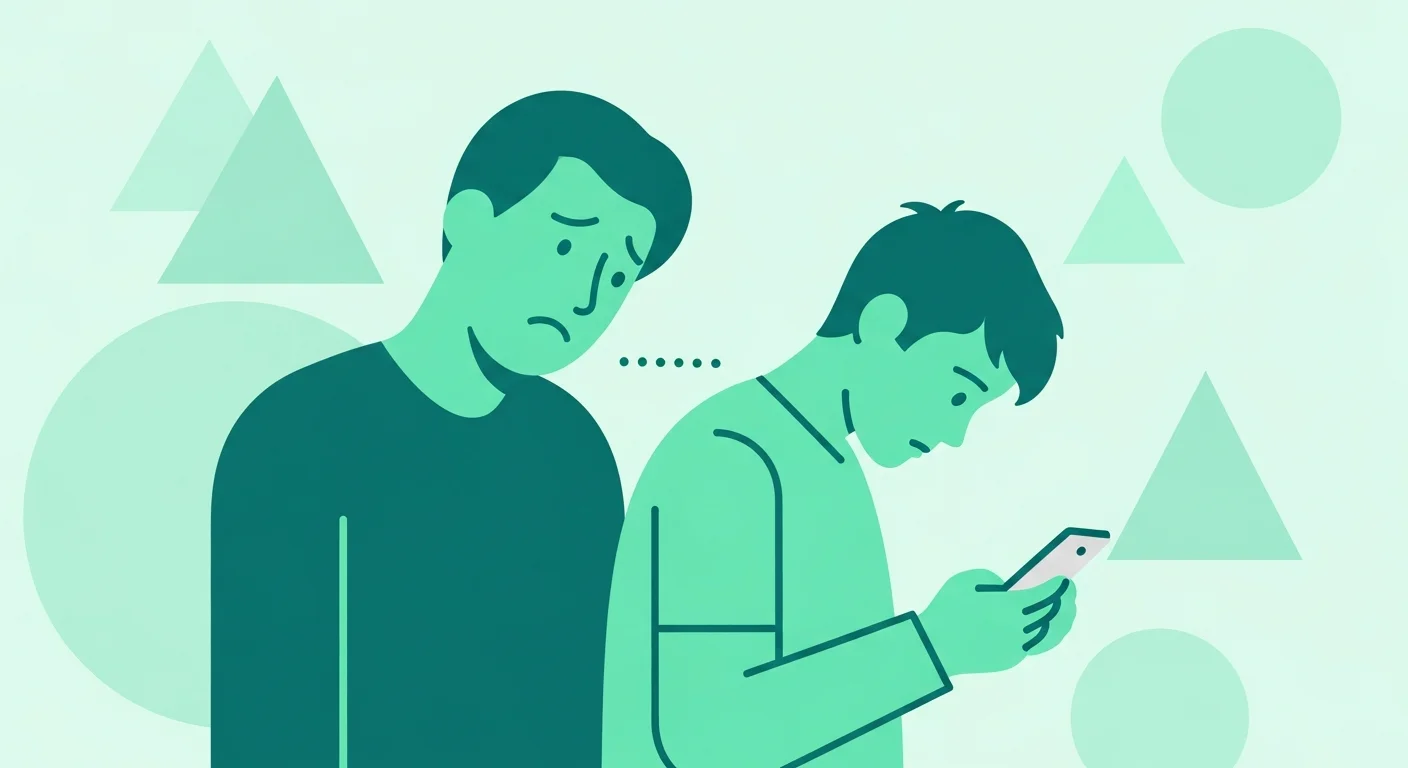
Someone told me last week that Phone Overuse isn't real, that it's just something older generations invented to complain about young people, like how their parents worried about television rotting brains. This person said this while checking his phone for the fourth time in ten minutes during our conversation, while admitting he sleeps maybe five hours a night because he can't stop scrolling, while describing how his girlfriend is upset that he's never fully present during their time together. The disconnect between what he believed about Phone Overuse and what he was living was so stark it would have been funny if it wasn't so sad. That conversation crystallized something I'd been noticing everywhere: the myths people believe about smartphone dependency often serve as the very shields protecting them from confronting their own problematic relationship with their devices.
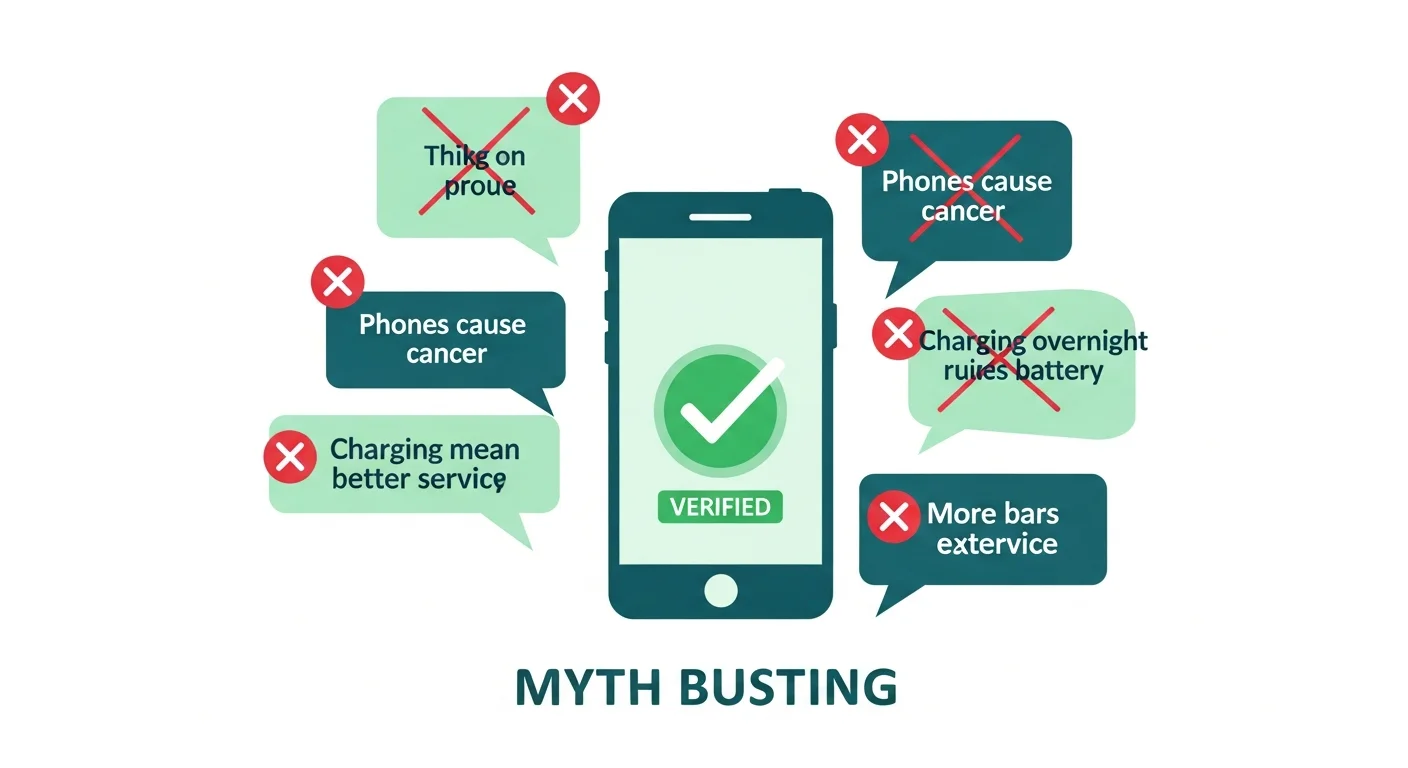
What False Beliefs Surround Smartphone Dependency Issues?
The most damaging Phone Overuse myth is that it only affects people with weak willpower or underlying psychological problems, as if having a healthy relationship with your phone is just a matter of trying harder or being mentally stronger. This belief is not only false, it's actively harmful because it prevents people from seeking help by framing phone dependency as a character flaw rather than a behavioral pattern created by devices specifically engineered to be addictive. The reality is that Smartphone Dependency misconceptions like this one ignore the billions of dollars and thousands of brilliant minds working in Silicon Valley whose explicit job is to maximize user engagement through psychological manipulation. Your phone is designed by teams of behavioral psychologists and user experience experts to trigger dopamine responses, create variable reward schedules, and exploit cognitive vulnerabilities that exist in every human brain regardless of willpower or mental health status.
Another pervasive false belief about mobile overuse dangers is that screen time is the only metric that matters, that if you're under some arbitrary number of hours daily, you're fine. But Phone Overuse isn't primarily about total time. It's about compulsion, context, and consequences. You could spend three hours daily on your phone for legitimate purposes, using it intentionally for work, communication, and learning, and have a perfectly healthy relationship with your device. Or you could spend 90 minutes compulsively checking it, unable to focus on anything else, neglecting relationships and responsibilities, and be genuinely addicted despite relatively modest total screen time. Common myths about Smartphone Dependency debunked consistently show that the quality and nature of phone use matter far more than simple duration metrics.
Which Misconceptions Prevent People From Addressing Screen Overuse?
The misconception that does the most damage is the belief that because phones are necessary for modern life, excessive use is inevitable and unavoidable. People tell themselves "everyone is on their phones constantly, this is just how life is now" as if necessity and addiction are the same thing. But consider: food is necessary for survival, yet eating disorders exist. Sleep is essential, yet sleep disorders are real. The necessity of something doesn't preclude the possibility of developing an unhealthy relationship with it. Myths preventing recovery from Phone Overuse often function this way, giving people intellectual cover to avoid confronting patterns they know deep down are problematic. When you convince yourself that constant phone use is simply unavoidable in contemporary society, you eliminate any motivation to examine whether your specific patterns might be excessive or harmful.
Another barrier-creating myth is that Phone Overuse is primarily a teenage problem, something that affects kids but not mature adults who supposedly have better self-control. This belief allows adults to dismiss their own concerning behaviors while focusing judgment on younger generations. But research consistently shows that phone dependency affects people of all ages, with many adults exhibiting patterns just as compulsive as those seen in teenagers. The difference is that adults are often better at rationalizing their behavior, convincing themselves that their constant phone checking is "work-related" or "necessary networking" when it's actually just compulsive scrolling with a professional veneer. Busting myths on screen time dependency effects requires honesty about how these patterns show up across all demographics, not just convenient scapegoating of particular age groups.
Is Phone Overuse a Real Condition or Just a Myth?
Let's address this directly: is Phone Overuse just a myth or a real problem? The answer is unequivocally that it's real, though the terminology and classification continue to evolve. While "Smartphone Dependency" isn't currently listed as a distinct disorder in the DSM-5, behavioral addictions are increasingly recognized by the medical and psychological communities as legitimate conditions that share neural mechanisms with substance addictions. Internet Gaming Disorder is already included in the DSM-5 as a condition requiring further study, and problematic smartphone use follows remarkably similar patterns of compulsive behavior, withdrawal symptoms, tolerance, and continued use despite negative consequences.
The resistance to calling phone dependency a real addiction often comes from semantic arguments about the definition of addiction rather than evidence-based assessment of the behavior itself. People who argue that Phone Overuse myths are overblown often point out that phones don't cause the same physical dependence as drugs or alcohol, which is true but irrelevant. Gambling doesn't cause physical dependence either, yet gambling addiction is recognized as a serious behavioral disorder that destroys lives. The question isn't whether your phone creates the same biochemical changes as heroin. The question is whether your phone use exhibits the core characteristics of addictive behavior: loss of control, negative consequences, and continued engagement despite knowing it's harmful. For millions of people, the answer is clearly yes, and dismissing their struggles because the addiction doesn't fit a narrow biochemical definition is both intellectually dishonest and cruel.
Why Do Common Myths Downplay Mobile Habit Dangers?
The persistence of myths about Phone Overuse serves multiple psychological and social functions that explain why these falsehoods endure despite mounting evidence of genuine harm. First, minimizing the dangers of phone overuse protects people from having to change comfortable but problematic behaviors. Admitting that Phone Overuse is real and serious would require examining your own usage patterns, potentially making difficult changes, and confronting how much time you've wasted and how many experiences you've missed. It's psychologically easier to believe the whole thing is overblown media panic than to face that uncomfortable self-assessment. Digital addiction falsehoods function as a shield against cognitive dissonance, allowing people to maintain behaviors that contradict their stated values without the discomfort of acknowledging that contradiction.
Second, tech companies have vested interests in promoting phone habits misconceptions that downplay addiction risks. The entire business model of most popular apps and platforms depends on maximizing user engagement time. Acknowledging that their products are designed to be addictive and cause genuine harm would invite regulation, liability, and user backlash. So there's significant incentive to frame concerns about Phone Overuse as moral panic or generational pearl-clutching rather than legitimate public health concerns. The result is a cultural environment where myths persist because multiple powerful entities benefit from people not taking Phone Overuse seriously.
How Can You Separate Facts From Fiction on Digital Addiction?
Facts vs fiction in smartphone dependency issues becomes clearer when you apply a simple test: does the belief in question serve to minimize the problem or to accurately characterize it? Myths about Phone Overuse almost universally function to downplay concerns, dismiss symptoms, or blame individuals rather than examining the systemic nature of how devices are designed. In contrast, factual understanding of phone dependency acknowledges both personal responsibility and the reality of manipulative design, recognizes symptoms across demographics rather than scapegoating specific groups, and treats the issue with appropriate seriousness rather than either dismissal or catastrophizing.
The most reliable way to separate myth from reality is examining your own behavior honestly. Do you check your phone compulsively? Does it interfere with relationships, work, or sleep? Do you feel anxious when separated from it? Have you tried to cut back and failed? These experiential observations matter more than abstract arguments about whether Phone Overuse "counts" as a real disorder. If your phone use exhibits addictive patterns and causes negative consequences, debating terminology is just avoidance. The issue isn't what you call it. The issue is whether you're willing to address it.
Trust Your Experience
The myths about Phone Overuse persist because acknowledging the reality is uncomfortable and inconvenient. But your lived experience matters more than whatever rationalization helps you avoid change. If your phone use feels compulsive, if it's causing problems in your life, if you've tried to stop and couldn't, then you don't need validation from the DSM-5 or permission from experts to recognize that something isn't working. Trust what you already know. The myths are just noise. Your actual life, the one happening right now while you're reading this instead of being present in it, that's what deserves your attention and honest assessment.