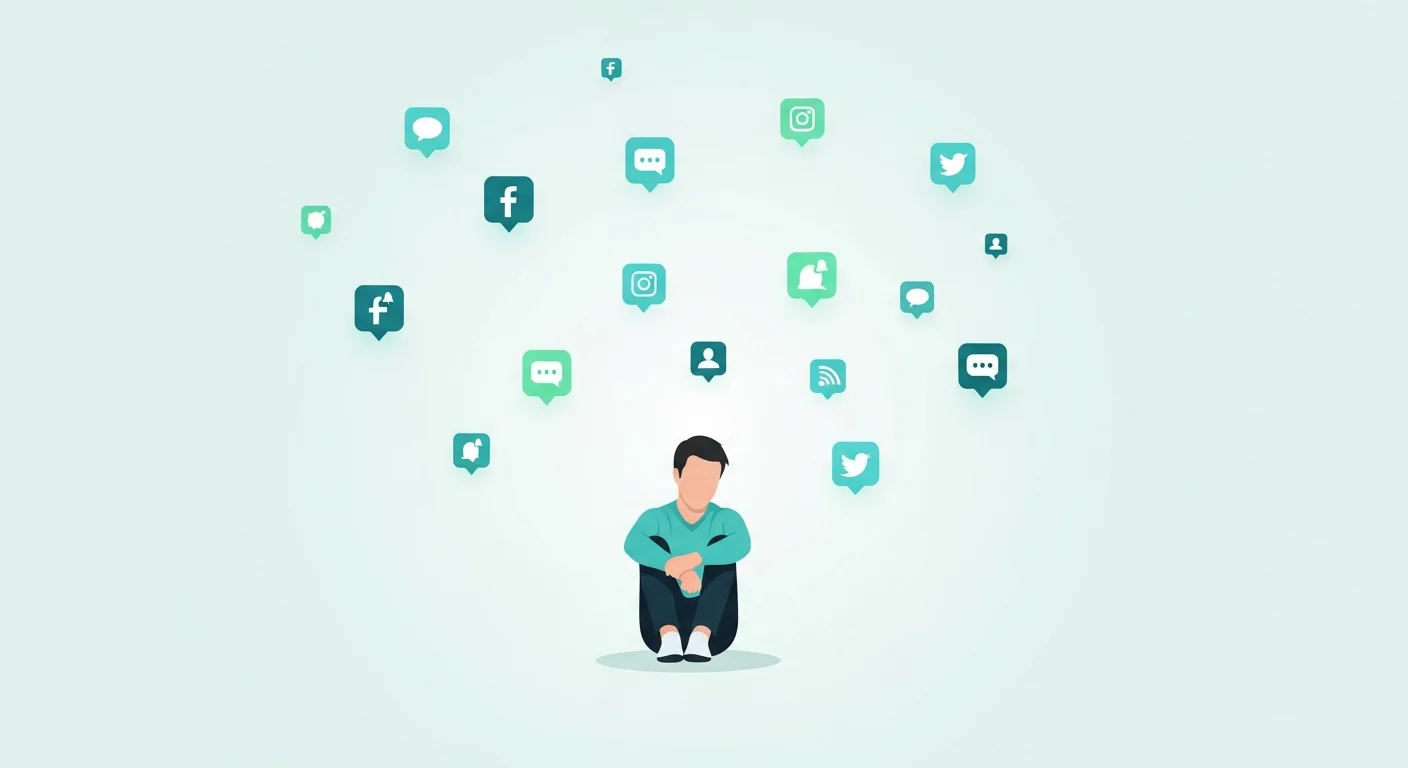
Here's the paradox that keeps me up at night: you're surrounded by hundreds, maybe thousands of digital connections, yet you've never felt more alone. You scroll through perfectly curated lives, double-tap posts from people you barely know, and respond to messages with carefully chosen emojis, all while this gnawing emptiness grows inside you like some kind of digital void that no amount of screen time can fill. The connection between Phone Overuse and loneliness isn't just ironic; it's tragically predictable, and if you've ever felt lonelier after spending hours on your phone than you did before picking it up, you already know exactly what I'm talking about.
How Does Smartphone Overuse Deepen Feelings of Isolation?
The smartphone isolation link operates on a cruel bit of psychological trickery that most of us fall for daily. When you feel lonely, your brain craves connection, so you reach for your phone because it promises instant access to other humans. Makes sense, right? Except what you're actually getting isn't real connection; it's the digital equivalent of empty calories that leave you hungrier than before. Phone Overuse loneliness creates this vicious cycle where the very tool you're using to combat isolation is actually making it worse, and the worse it gets, the more desperately you reach for your phone, hoping this time will be different. Spoiler: it never is.
I've watched this pattern play out in my own life more times than I care to admit. You open Instagram feeling a bit disconnected, start scrolling through stories of friends at parties you weren't invited to, acquaintances on vacations you can't afford, and strangers living lives that seem infinitely more interesting than yours. Thirty minutes later, you close the app feeling demonstrably worse, yet somehow convinced that just a little more scrolling will magically fix the problem. Studies on Screen Dependency causing loneliness consistently show that passive social media consumption, the kind where you're just watching other people live rather than actually engaging, correlates strongly with increased feelings of isolation and decreased wellbeing. Your brain registers these digital interactions as social engagement, but your soul knows the truth: you're more alone than ever.
Why Does Screen Dependency Often Worsen Loneliness?
Screen Dependency solitude feeds on itself through a mechanism that's both psychologically fascinating and emotionally devastating. When you're constantly on your phone, you're physically present but mentally absent, creating this weird half-existence where you're neither fully engaged with your device nor with the real world around you. Mobile overuse loneliness intensifies because excessive phone use actively prevents the kind of authentic, vulnerable, face-to-face interactions that actually combat loneliness. You're at dinner with friends but checking work emails, sitting with family while scrolling Twitter, or lying next to your partner while shopping online. These moments of potential genuine connection slip away, replaced by the hollow satisfaction of notifications and likes that your brain mistakes for meaningful interaction but your heart recognizes as counterfeit.
The link between smartphone use and social isolation becomes especially clear when you consider what we're sacrificing for screen time. Every hour spent on your phone is an hour not spent developing real relationships, not having spontaneous conversations with strangers, not making eye contact with the barista who might become your friend, not noticing the world beyond your screen. Why scrolling increases feelings of solitude isn't mysterious: you're trading depth for breadth, quality for quantity, real vulnerability for curated personas. Social media loneliness emerges from this fundamental mismatch between what we need as humans (genuine connection, physical presence, shared experiences) and what our phones provide (superficial engagement, digital presence, observed experiences).
What Links Exist Between Mobile Habits and Emotional Solitude?
Tech habits emotional isolation manifests in surprisingly tangible ways that extend far beyond just feeling sad after using your phone. Digital dependency isolation changes how you relate to the world and people around you, creating barriers that become harder to cross the longer they exist. Phone dependency worsening emotional disconnection happens gradually, almost imperceptibly, until one day you realize you can't remember the last time you had a deep, uninterrupted conversation with someone you care about. Nomophobia loneliness, that fear of being without your phone, isn't just about the device itself; it's about losing your security blanket, your shield against having to engage authentically with the unpredictable, sometimes uncomfortable reality of human interaction.
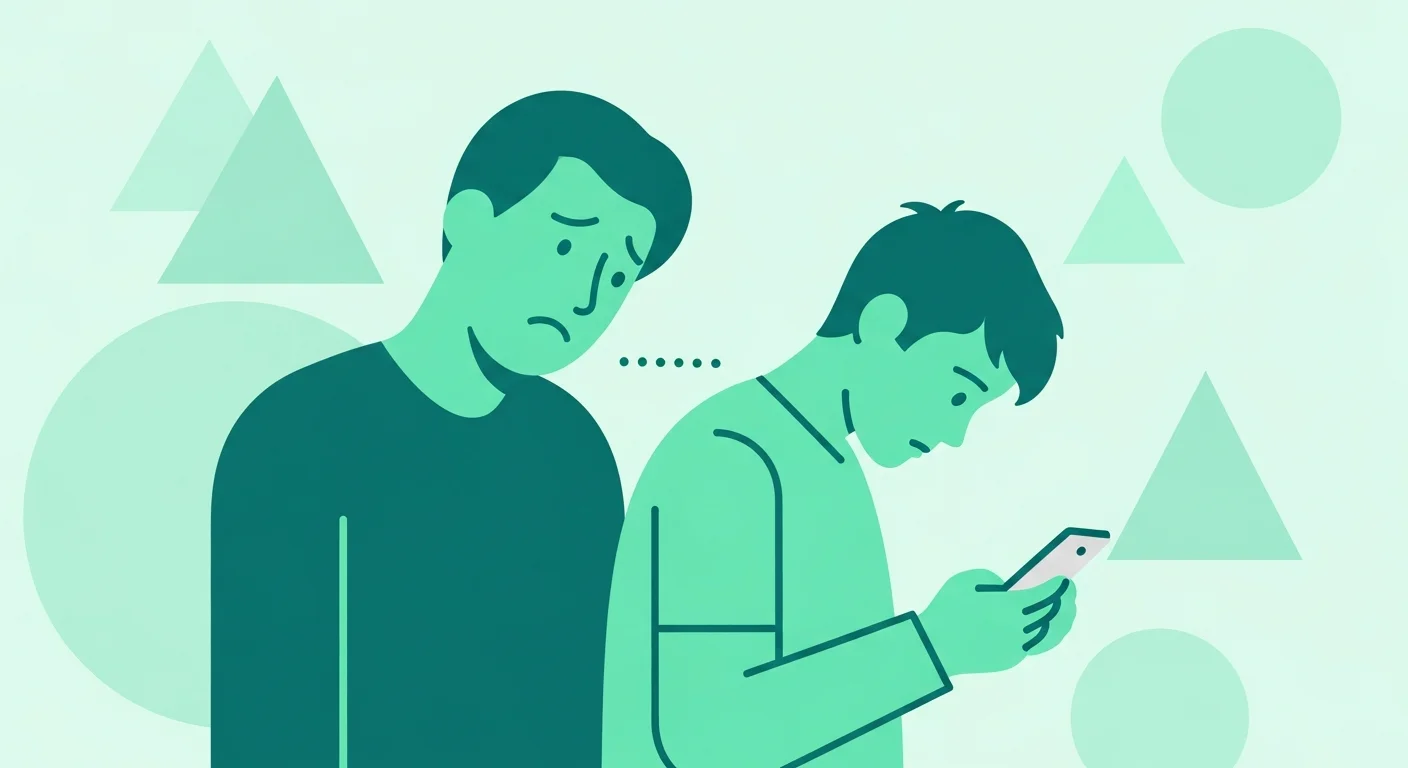
The effects of social media on loneliness epidemic are particularly insidious because these platforms are specifically designed to exploit our psychological vulnerabilities while pretending to address them. They promise connection but deliver comparison, offer community but create competition, and suggest belonging while amplifying our sense of not measuring up. I've found myself feeling isolated in a room full of people because everyone, myself included, was staring at their phones rather than talking to each other, and the tragic thing is nobody even noticed because we were all too busy being somewhere else digitally to be anywhere meaningfully.
Can Excessive Phone Use Actually Increase Loneliness Levels?
The short answer? Absolutely. The longer answer involves understanding how Phone Overuse fuels chronic loneliness through multiple interconnected mechanisms. Excessive phone use replaces opportunities for real connection with simulated versions that can't satisfy our fundamental need for human contact. It disrupts sleep, which worsens mood and makes social interaction feel more effortful. It fragments attention, making it harder to be present and emotionally available even when you're trying to connect. And perhaps most importantly, it creates a habit of avoidance where reaching for your phone becomes your default response to discomfort, including the discomfort of loneliness itself, preventing you from addressing the root cause.
Research consistently demonstrates that heavy smartphone users report higher levels of loneliness, depression, and anxiety compared to moderate users, even when controlling for other factors. The correlation is strong enough that researchers increasingly view excessive phone use not just as a symptom of loneliness but as an active contributor to it. Your phone becomes both the disease and the inadequate cure you keep returning to despite mounting evidence that it's not working.
How Do Digital Addictions Contribute to Social Disconnection?
Breaking mobile habits to combat isolation requires first understanding what you're actually fighting against. Digital addictions contribute to social disconnection by rewiring your brain's reward systems to prefer quick, easy digital hits over the slower, more complex rewards of genuine human interaction. Real relationships require effort, vulnerability, patience, and the willingness to be uncomfortable. Your phone offers none of those challenges; it gives you instant gratification, complete control, and zero risk of rejection. No wonder we're all choosing the easy option, even as it slowly erodes our capacity for the real connection we desperately crave.
The solution isn't to abandon technology entirely or pretend your phone is evil. It's about recognizing that the connection between Phone Overuse and loneliness is real, measurable, and reversible. Every moment you spend fully present with another human being is an investment in combating the isolation that screens create. Put your phone down during meals. Make eye contact. Have conversations that meander and take unexpected turns. Feel awkward sometimes. Be bored. Let silence exist. These aren't nostalgic suggestions for a simpler time; they're essential practices for remaining human in an increasingly digital world.
Your phone can't hug you. It can't laugh at your jokes or hold space for your pain. Real connection is waiting, but only if you're brave enough to look up from your screen and reach for it.
Ready to assess your smartphone dependency? Use our Digital Wellness Calculator to get your personalized screen time score and start your journey toward better digital wellness.
Note: This article is for informational purposes only and should not be considered medical advice. If you have serious concerns about technology addiction or mental health, please consult with a qualified healthcare provider.