I'll never forget the pediatrician's office visit when my friend Sarah learned her seven-year-old might have ADHD. The doctor asked about screen habits before anything else. "How many hours daily?" Sarah hesitated, mentally calculating iPad time, TV after school, video games before bed. "Maybe five or six?" The doctor nodded knowingly, unsurprised. That moment crystallized something many parents are wondering but afraid to ask: did all those screens actually cause this, or is something more complicated happening here?
The relationship between screen time and ADHD symptoms has become one of the most contentious debates in pediatric health, and frankly, the answer isn't as straightforward as either side wants to admit. We're dealing with a genuine chicken-and-egg situation where correlation keeps showing up in research, but causation remains frustratingly difficult to prove. What I can tell you after diving deep into the science is that screens and attention problems are definitely connected, just not in the simple cause-and-effect way most headlines suggest. Understanding this nuanced relationship matters enormously for how we approach both prevention and management of attention deficit and hyperactivity disorder in kids growing up surrounded by digital media.
Does Excessive Screen Time Cause ADHD in Children?
Here's where things get tricky, and I need you to stay with me because the answer matters more than the question. Current research shows strong associations between heavy screen exposure and ADHD-like symptoms, but whether screens actually cause ADHD remains scientifically unclear. Multiple large-scale studies document that children with high screen time show elevated rates of inattention, impulsivity, and hyperactivity compared to peers with lower exposure. However, correlation doesn't equal causation, and several factors complicate our ability to draw definitive conclusions about effects of screen time on child ADHD development.
First, there's the selection bias problem. Kids with existing attention difficulties naturally gravitate toward screens because digital media provides constant stimulation, immediate rewards, and requires less sustained focus than traditional activities like reading or building with blocks. The fast-paced, attention-grabbing nature of video games, YouTube, and social media feels designed for ADHD brains. So are screens causing attention problems, or are children with pre-existing attention vulnerabilities simply consuming more screen content? Research struggles to disentangle these possibilities cleanly. Additionally, genetic factors that predispose children to ADHD might also influence their screen-seeking behaviors, creating correlations that look causal but actually reflect shared underlying biology.
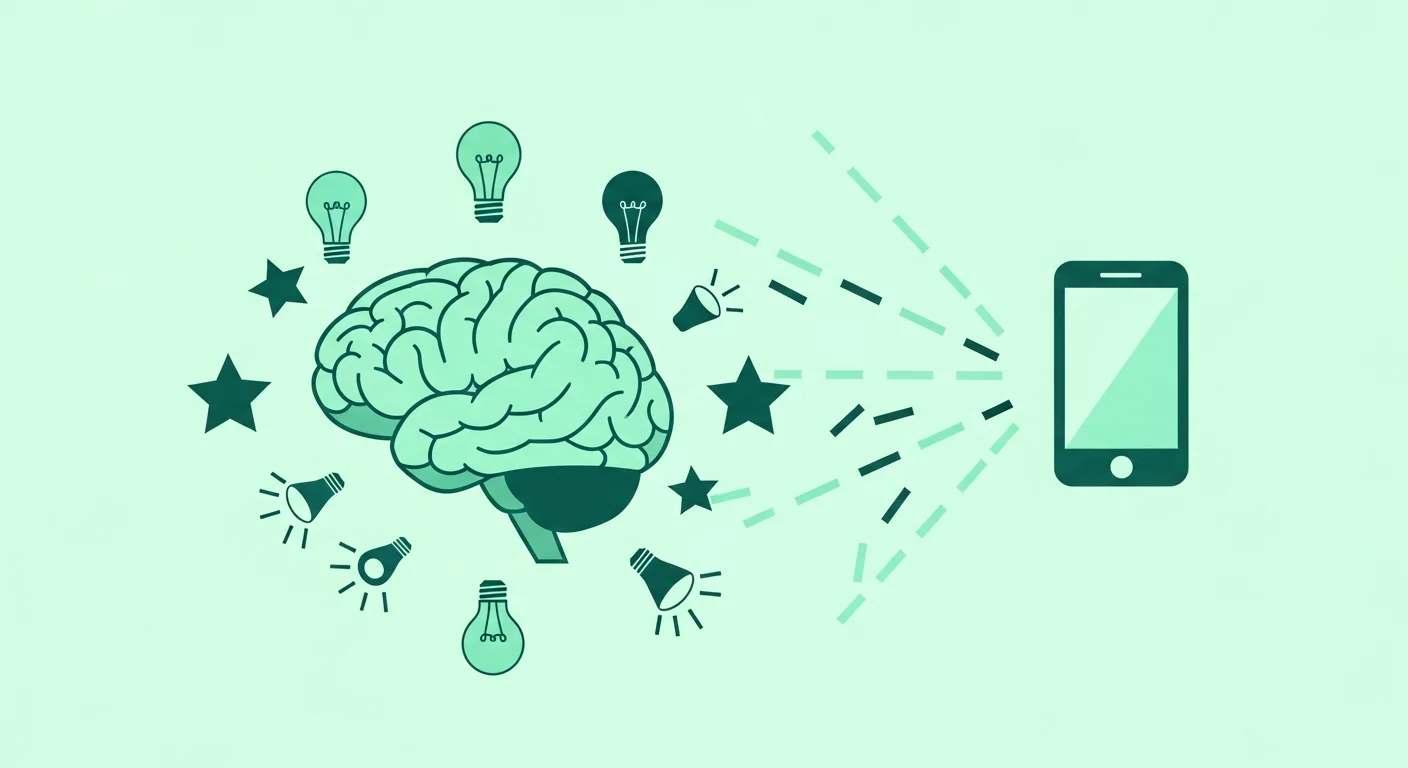
That said, and this is crucial, even if screens don't cause ADHD in a clinical diagnostic sense, excessive exposure clearly worsens attention and behavioral regulation in all children, including those already diagnosed. The dopamine-driven reward systems built into apps, games, and social platforms train brains to expect constant novelty and stimulation. When real-world activities can't match that intensity, kids struggle to maintain focus. Their baseline for "interesting" gets recalibrated to require the kind of rapid-fire engagement that only screens provide. This creates functional attention deficits that look remarkably similar to ADHD, regardless of whether a assessment applies. The behavioral impact of Screen Dependency and attention span deterioration shows up in classrooms everywhere, affecting diagnosed and neurotypical kids alike.
How Much Daily Screen Exposure Increases ADHD Risk?
Research examining screen time thresholds and attention problems reveals a dose-response relationship that should concern every parent. Studies tracking thousands of children over multiple years show that each additional hour of daily recreational screen time correlates with measurable increases in ADHD symptom severity. Kids consuming more than four hours daily show approximately twice the rate of attention and hyperactivity issues compared to those under two hours. The relationship appears roughly linear, meaning more screen time consistently predicts worse outcomes across the spectrum of exposure.
Screen Time Duration and ADHD Symptom Risk:
| Daily Screen Time | Relative Risk Increase | Primary Symptom Concerns |
|---|---|---|
| Under 1 hour | Baseline risk | Minimal behavioral impact |
| 1-2 hours | 1.3x increased | Mild attention challenges |
| 2-4 hours | 1.8x increased | Moderate focus difficulties |
| 4-6 hours | 2.4x increased | Significant hyperactivity |
| 6+ hours | 3.0x+ increased | Severe attention deficits |
What makes these numbers particularly alarming is how quickly the average child now exceeds supposedly safe limits. Current data shows children aged 8 to 12 averaging nearly five hours of recreational screen time daily, with teenagers hitting seven-plus hours. We're not talking about occasional excessive use. This is the new normal. When you factor in that screen limits for ADHD prevention should probably sit well below two hours to maintain optimal attention development, the gap between recommendations and reality becomes genuinely troubling. The situation worsens when you consider that blue light effects on brain function compound these issues by disrupting sleep, which independently worsens attention regulation and impulse control the following day.
Can Limiting Screens Help Manage ADHD Symptoms?
Absolutely, and the improvement timeline surprises most parents with its speed. Children diagnosed with ADHD who reduce screen exposure show measurable symptom improvement within just two to four weeks. We're talking about better focus during homework, reduced impulsivity in social situations, improved emotional regulation, and enhanced ability to engage with non-digital activities. Reducing screens to improve focus works through multiple mechanisms simultaneously: it allows dopamine systems to recalibrate to normal stimulation levels, improves sleep quality through reduced blue light exposure, increases time available for attention-building activities like reading and creative play, and reduces the cognitive load that comes from constant task-switching between apps and content.
I've personally watched this transformation happen with my nephew, whose ADHD symptoms became notably more manageable after his parents implemented strict screen boundaries. They cut his daily total from six hours to one hour of carefully chosen content, always co-viewed with a parent. Within three weeks, his teacher reported he was completing assignments that previously seemed impossible, and family dinners stopped being battles over staying seated. His medication dosage didn't change. The only variable was screen time. This isn't unusual. Clinical studies report similar outcomes when families commit to sustained screen reduction as part of comprehensive ADHD management strategies.
The key word there is sustained. Temporary reduction doesn't produce lasting benefits because attention systems need weeks of consistent lower stimulation to reset their baseline expectations. Additionally, the replacement activities matter enormously. Simply taking away screens without providing engaging alternatives creates frustration and doesn't address underlying attention difficulties. Effective approaches combine screen reduction with increased opportunities for activities that naturally build attention skills like sports, music, hands-on hobbies, and unstructured outdoor play.
What's the Connection Between Social Media Use and Attention Issues?
The social media link to hyperactivity and attention problems operates through mechanisms distinct from other screen content, and honestly, it might represent the most concerning dimension of the entire screen time debate. Social media platforms engineer their interfaces specifically to hijack attention through variable reward schedules, endless scrolling, notification systems designed to interrupt, and content algorithms that maximize engagement time. These design elements don't accidentally capture attention. They're deliberately crafted to make disengagement psychologically difficult, creating behavioral patterns that closely mimic addiction.
Research on social media and attention spans shows particularly strong correlations between platform use and specific ADHD symptoms like distractibility, difficulty completing tasks, and impaired impulse control. Teenagers who check social media more than three times daily report ADHD symptom rates nearly double those of peers with minimal social media engagement. The constant context-switching required by social media platforms, where you jump from a friend's photo to a news article to a funny video to someone's story within minutes, trains brains away from sustained attention toward fragmented, superficial processing. Your child's brain literally learns that deep focus is unnecessary because something more interesting will appear any second.
Navigating Screens in an ADHD World
Understanding the complex link between screen time and ADHD means accepting uncomfortable truths: screens probably don't cause ADHD in most cases, but they definitely make attention problems worse, they interfere with symptom management, and they create attention difficulties in otherwise neurotypical kids. We can't eliminate screens from modern childhood, but we can make much smarter choices about when, how, and how much our kids engage with digital media. The goal isn't perfection or complete elimination. It's conscious, boundaried use that prioritizes brain development over convenience.
What's one screen boundary you could implement today to protect your child's attention and focus? Start small, stay consistent, and trust that even modest changes produce meaningful benefits.