Let's play a game. Don't look at your phone for the next five minutes while you read this. Already feeling that slight flutter of anxiety? That tiny voice suggesting you should just quickly check if anyone texted? Congratulations, you might be exactly who this Phone Overuse checklist was designed for. The thing about addiction is that it's remarkably good at disguising itself as necessity, preference, or simple habit until suddenly you realize you can't remember the last time you went an hour without checking that glowing rectangle in your pocket. If you've ever wondered "am I phone addicted" but immediately dismissed the thought because surely you're not that bad compared to those really addicted people, well, that's precisely the kind of rationalization that makes a checklist so valuable. It strips away the excuses and forces you to confront some uncomfortable truths.
What Checklist Helps Determine If You're Hooked on Your Smartphone?
A proper Smartphone Dependency quiz isn't some fluffy personality test that tells you which Disney character matches your scrolling style. The free checklist to test your Smartphone Dependency level draws from clinical psychology research and established behavioral addiction criteria, asking specific questions designed to reveal patterns you've probably been ignoring. The most effective phone habit assessment combines questions about frequency of use, emotional attachment, withdrawal symptoms, and negative consequences, creating a comprehensive picture of your relationship with your device that's difficult to rationalize away. I've taken probably a dozen of these assessments over the years, and the ones that actually matter are the ones that make you squirm a little as you answer honestly.
The ultimate self-test checklist for digital addiction typically includes questions like: Do you check your phone within five minutes of waking up? Have you tried to reduce phone use and failed? Does your usage interfere with work, relationships, or sleep? Do you feel anxious or irritable when your phone isn't accessible? Have others complained about your phone use? Do you use your phone to escape from problems or negative feelings? These aren't random curiosities; they're adapted from addiction criteria used for substances and gambling, applied to the unique context of smartphone dependency. If you're answering yes to more than a few of these, that's not a coincidence, and dismissing it as "everyone does this now" doesn't make it any less problematic.
How Can a Simple List Reveal Mobile Device Dependency?
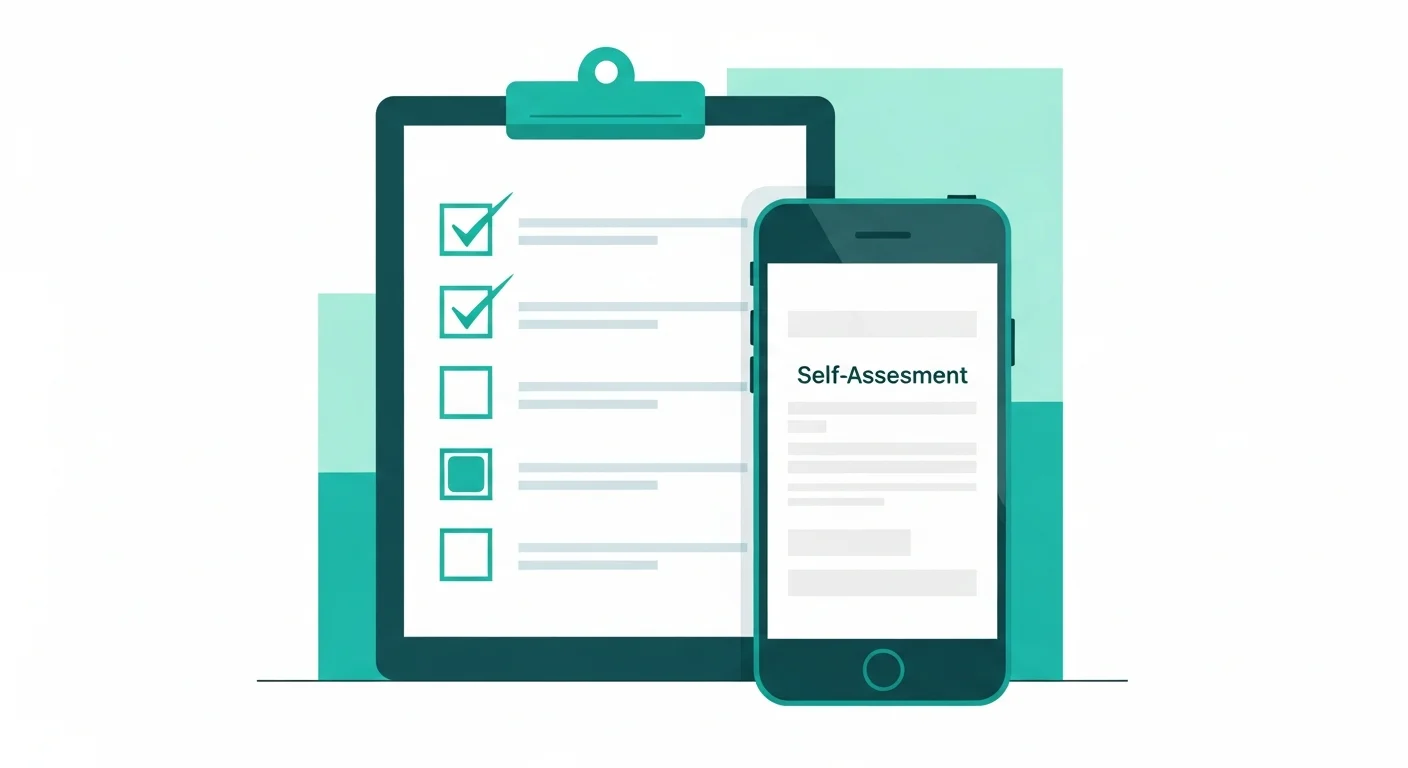
Here's the genius of a well-designed mobile dependency checklist: it forces pattern recognition that your brain has been actively avoiding. Signs checklist for compulsive mobile device use works because addiction operates largely in the unconscious realm of automatic behavior, and checklists drag those automatic patterns into conscious awareness where you're forced to evaluate them objectively. When you see "Do you reach for your phone during any moment of boredom or discomfort?" written down as a yes or no question, you can't escape into vague rationalizations about how you're not really addicted, just very connected or particularly efficient with your time. The printable phone overuse self-assessment checklist becomes this mirror you can't look away from, reflecting behaviors you've normalized but probably shouldn't have.
The step-by-step guide "are you dependent on your phone" methodology also reveals dependency through accumulation. Any single item on the list might seem manageable or justifiable in isolation. Sure, you check your phone first thing in the morning, but who doesn't? Yes, you've been late because you lost track of time on social media, but it only happened a few times. The power emerges when you check off item after item, watching the yes answers pile up until the pattern becomes undeniable. Quick daily checklist for Screen Dependency detection can be as simple as tracking how many times you unlock your phone before noon, how often you interrupt real-world conversations to check notifications, or how you feel during the brief moments your phone isn't within arm's reach. The data doesn't lie, even when you really, really want it to.
Which Signs in a Checklist Indicate Screen Dependency Risks?
Screen Dependency signs list items fall into several categories that together paint a comprehensive picture of problematic use. Physical signs include things like eye strain, poor posture, disrupted sleep patterns, and repetitive strain injuries from excessive scrolling or texting. Behavioral indicators involve checking your phone immediately upon waking, using your device while driving, taking your phone to the bathroom consistently, or feeling phantom vibrations when your phone hasn't actually buzzed. Emotional symptoms include anxiety when separated from your phone, irritability when interrupted while using it, using your device to avoid dealing with uncomfortable feelings, or experiencing FOMO that drives compulsive checking.
The nomophobia checklist specifically addresses the fear and anxiety components of phone dependency. Do you panic when your battery drops below 20%? Do you experience genuine stress when you accidentally leave your phone at home? Would you turn around and retrieve your phone even if it makes you late for something important? Have you ever felt your heart race or experienced sweating when you couldn't find your phone? These aren't quirky personality traits; they're anxiety symptoms triggered by separation from a device, which is textbook behavioral addiction manifesting through technology. Checklist questions to identify phone dependency also examine social impacts: Have relationships suffered because of your phone use? Do you choose scrolling over face-to-face interaction? Have you missed important moments because you were on your phone? The answers reveal whether your device is serving you or whether you've become its servant.
What Quick Self-Check Confirms Excessive Phone Habits?
The digital overuse self-check doesn't require extensive time or complex analysis. Start with the basics: check your screen time statistics right now, without making excuses about needing your phone for work or staying in touch with family. If you're spending more than three hours daily on non-essential phone use, that's already in problematic territory. Look at your unlock count for yesterday. Over 100 times? That's checking your phone roughly every ten waking minutes, which isn't staying connected anymore; that's compulsion. Notice when you reach for your phone today. Is it in response to actual needs or notifications, or are you grabbing it automatically during any pause in activity, any moment of boredom, any flicker of discomfort? Automatic reaching without conscious decision is one of the clearest indicators of addiction.
Another quick self-check involves the separation test. Put your phone in another room for one hour while you do something else. Not on silent in your pocket, not face down on the table next to you, but actually out of sight in a different space. How do you feel? Anxious? Restless? Constantly thinking about what you might be missing? Or do you feel relief, presence, and focus you haven't experienced in weeks? Your emotional response to brief separation tells you more about your dependency than almost anything else. If the thought of doing this test makes you immediately rationalize why now isn't a good time, that's probably your answer right there.
How Do You Use a Checklist to Spot Compulsive Digital Use?
Using a Phone Overuse checklist effectively requires honest self-assessment without judgment or defensiveness. The goal isn't to shame yourself into behavior change but to gather accurate data about patterns you've been unconsciously perpetuating. Go through each item slowly, really considering whether it applies to you rather than rushing through to get a "score" you can either celebrate or dismiss. Compulsive digital use reveals itself in the details: it's not just that you use your phone a lot, but that you use it despite wanting to stop, despite knowing it's harmful, despite actively trying to reduce your usage and failing repeatedly.
The most valuable approach involves taking the same checklist multiple times across several weeks, tracking whether your behaviors are improving, worsening, or staying stagnant. A single snapshot might catch you on a particularly heavy usage day or coincidentally during a period of unusual restraint. Patterns emerge over time, and those patterns are what truly matter. If your checklist responses consistently indicate problematic use despite your best intentions to change, that's when you know you're dealing with genuine addiction rather than just bad habits that could be easily modified with a bit of willpower.
Your Phone Overuse checklist results aren't a judgment of your character or worth. They're information, pure and simple, about whether your current relationship with technology is serving your goals, values, and wellbeing or undermining them. The uncomfortable truth is that most people checking these items off are doing so because some part of them already knows there's a problem. The checklist just makes it impossible to keep ignoring. And once you can't ignore it anymore, you finally have the opportunity to do something about it.
Take the checklist now. Answer honestly. Then decide if you're okay with what it reveals. Your attention, your time, and your life are worth more than whatever's happening on that screen.
Ready to assess your smartphone dependency? Use our Digital Wellness Calculator to get your personalized screen time score and start your journey toward better digital wellness.
Note: This article is for informational purposes only and should not be considered medical advice. If you have serious concerns about technology addiction or mental health, please consult with a qualified healthcare provider.