Here's the delicious irony that never gets old: using an app on your phone to stop using your phone so much. It's like hiring a fox to guard your henhouse, except in this case, some foxes are actually surprisingly competent security guards. The world of Phone Overuse apps has exploded into a legitimate industry populated by tools ranging from gentle nudges to full-blown digital lockdown systems, and if you're reading this while your screen time stats are making you question your life choices, you're probably wondering which ones actually work versus which ones are just expensive placebos. Let me save you some time and experimentation: not all smartphone detox apps are created equal, and knowing the difference might be what finally helps you reclaim your attention span from the void.
What Top Apps Assist in Breaking Smartphone Dependency?
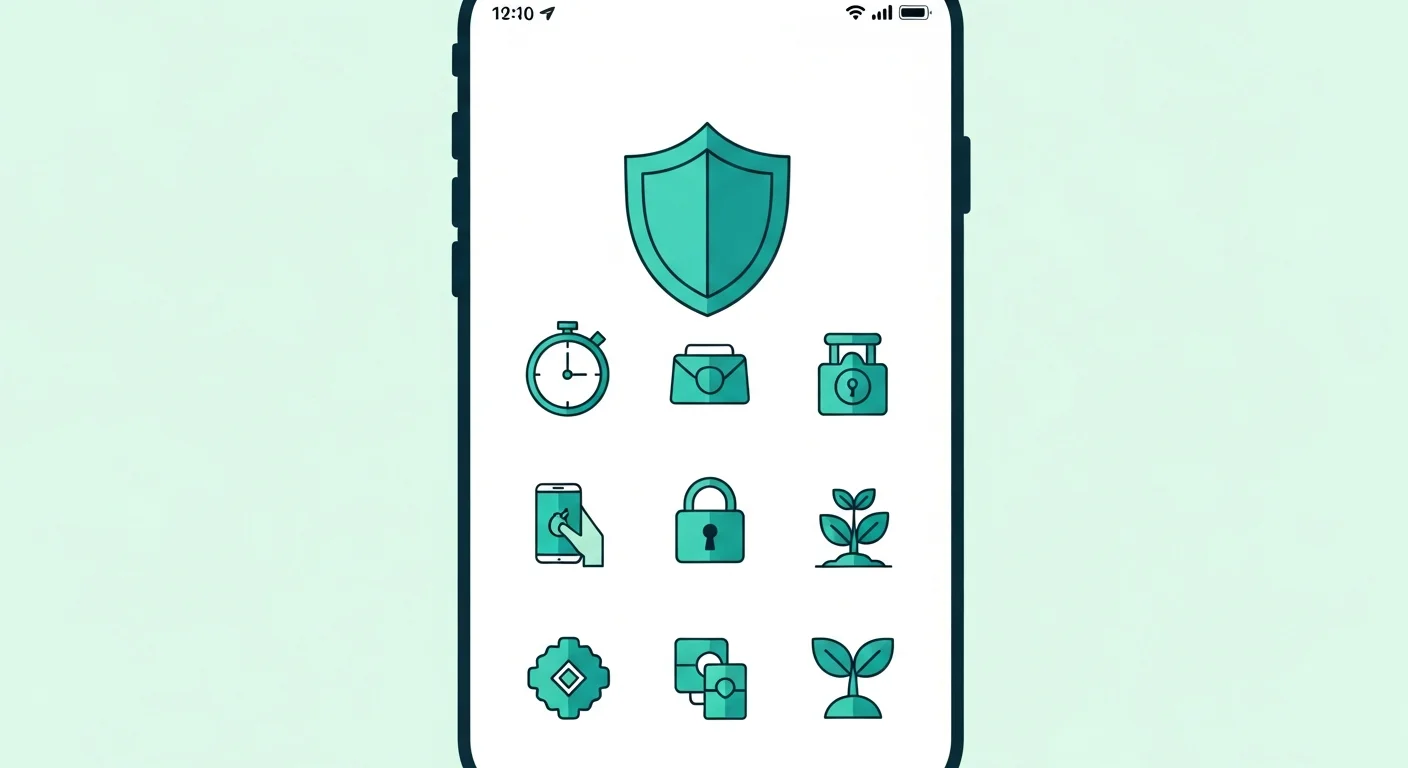
The best free tools for screen time addiction recovery understand something fundamental about human psychology: we're really good at lying to ourselves but terrible at arguing with data. Top apps to overcome smartphone overuse in 2025 leverage this weakness beautifully by tracking your usage patterns with brutal honesty, showing you exactly how many times you've unlocked your phone today (spoiler: it's way more than you think), and forcing you to confront the gap between how you think you use your device versus reality. Screen time blockers like Freedom and Forest have gained massive followings because they don't just shame you; they actively prevent you from accessing time-wasting apps during designated focus periods, essentially putting your phone in timeout when you can't be trusted to do it yourself.
I've tried probably a dozen mobile addiction recovery apps over the years, and what separates the effective ones from the digital snake oil is their understanding that breaking smartphone dependency requires both awareness and intervention. Apps like One Sec work by introducing deliberate friction into your scrolling habits, forcing you to take a breath and answer why you're opening Instagram for the fifteenth time today before letting you proceed. This tiny pause disrupts the automatic, mindless nature of Phone Overuse, creating a moment of conscious choice where previously there was only compulsion. Digital detox tools that combine tracking, blocking, and mindfulness elements tend to produce the best results because they address multiple aspects of the addiction simultaneously rather than just slapping a bandaid on one symptom.
Which Mobile Tools Effectively Reduce Screen Overuse?
Recovery apps that track and limit phone usage have evolved significantly beyond simple timers and guilt trips. The most effective Screen Dependency apps now incorporate gamification elements that turn your recovery into something resembling a quest rather than punishment. Forest lets you grow virtual trees during focus sessions, and if you pick up your phone before the timer expires, your tree dies. Sounds silly until you find yourself genuinely invested in not killing your digital forest, which somehow translates into genuine behavioral change. Highly rated apps for digital detox challenges understand that humans respond better to positive reinforcement and visual progress tracking than to finger-wagging lectures about screen time.
Anti-Phone Overuse software like AppBlock and StayFree offer granular control over which apps you can access and when, allowing you to customize restrictions based on your specific problem areas. Maybe you're fine with using your phone for navigation or messaging but lose hours to TikTok and Reddit. These tools let you surgically remove your biggest time wasters while keeping necessary functions accessible. The best part? They're remarkably difficult to circumvent once properly configured, protecting you from your own worst impulses when willpower inevitably fails at 2 AM and your brain decides scrolling Twitter is more important than sleep.
How Do the Best Apps Combat Digital Addiction Habits?
Expert picks for phone habit control software employ multiple strategies to break the addiction cycle, and understanding their approaches helps you choose the right tool for your situation. Some apps use the "cold turkey" method, completely locking you out of distracting apps for specified periods. Others take a gentler approach, simply making you aware of your usage patterns and letting shame do the heavy work. Apps like Moment and RescueTime excel at the awareness piece, providing detailed analytics about your phone habits that are simultaneously fascinating and horrifying. Seeing that you've spent 35 hours on social media in a week tends to be a wake-up call that no amount of articles about digital wellness can match.
Proven apps reducing nomophobia symptoms also incorporate features specifically designed to ease the anxiety of being separated from your phone. Offtime and Space introduce gradual reduction strategies rather than demanding you go from 8 hours of daily screen time to zero immediately, which is about as realistic as quitting caffeine by throwing out all your coffee on Monday morning and expecting to remain functional. These nomophobia apps help you build tolerance for phone separation slowly, teaching your nervous system that you will, in fact, survive if you don't check your notifications for an hour. Revolutionary concept, I know.
What Are Recommended Programs for Managing Phone Reliance?
Android and iOS apps fighting mobile dependency each bring unique strengths to the table, though the best options are typically cross-platform because addiction doesn't discriminate by operating system. For iPhone users, Apple's built-in Screen Time feature has become surprisingly robust, offering usage reports, app limits, and downtime scheduling without requiring third-party software. However, it's also easily circumvented if you're determined enough (just ignore the limit or change the settings), which is where dedicated apps gain an edge. Android users have even more options, with apps like ActionDash and Digital Wellbeing providing comprehensive tracking and control features that integrate seamlessly with the operating system.
The recommended programs for managing phone reliance ultimately depend on your specific addiction profile. Are you a compulsive checker who grabs your phone every few minutes without thinking? Try apps with usage awareness features and mandatory pause mechanisms. Do you lose entire evenings to specific apps like YouTube or Instagram? You need robust blocking software that won't take no for an answer. Is your issue more about using your phone as an escape from difficult emotions or boredom? Consider apps that incorporate mindfulness exercises and journaling features to address the underlying triggers rather than just blocking access.
Which Applications Provide Proven Recovery from Mobile Addiction?
Here's the uncomfortable truth about applications that provide proven recovery from mobile addiction: the app isn't the magic bullet. The most effective Phone Overuse apps are tools that work only when combined with genuine commitment to change. I've seen people download every top-rated digital detox app available, fiddle with settings for an hour, and then promptly uninstall them all because "they're too restrictive" or "I need my phone for work." The apps that produce actual results are the ones you actually use consistently, which means finding something that matches your personality and addiction patterns rather than just downloading whatever ranks highest in the app store.
That said, certain apps have track records worth noting. Freedom boasts millions of users who've successfully reduced their screen time through its blocking capabilities. Forest has helped countless people stay focused by making productivity oddly adorable. Flipd takes a hardcore approach by locking your phone completely during focus sessions, with no override option, which either sounds like exactly what you need or like your personal nightmare, depending on where you are in your recovery journey. The key is being honest about what level of intervention you actually need, then choosing apps that provide exactly that much structure and no less.
The best recovery apps for Phone Overuse aren't the ones with the slickest interface or the most features. They're the ones you'll actually stick with when the initial motivation wears off and your addiction whispers that maybe just five minutes of scrolling won't hurt. Choose tools that make reclaiming your attention easier than surrendering it, and you might just find yourself remembering what life felt like before everything became about the next notification. Your smartphone doesn't have to be your master. Sometimes all it takes is the right app to remind you who's actually in charge here.
Download one today. Give it two weeks of honest effort. Your undivided attention is worth fighting for.
Ready to assess your smartphone dependency? Use our Digital Wellness Calculator to get your personalized screen time score and start your journey toward better digital wellness.
Note: This article is for informational purposes only and should not be considered medical advice. If you have serious concerns about technology addiction or mental health, please consult with a qualified healthcare provider.